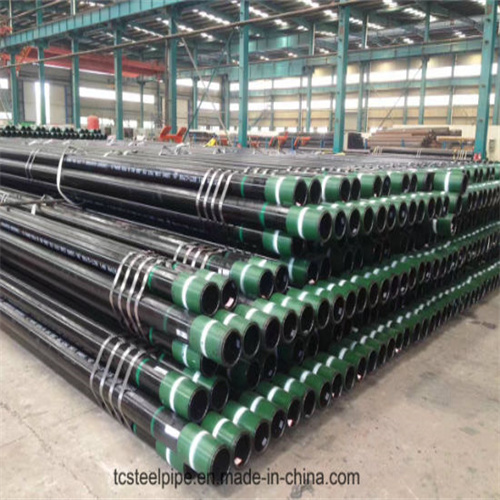
এপিআই 5CT l80 কেসিং এবং টিউবিং পাইপ স্পেসিফিকেশনের ওভারভিউ
কি ডিজাইন বৈশিষ্ট্য এবং API 5ct l80 পাইপের ব্লুপ্রিন্ট বিশ্লেষণ
ফ্যাক্টরি বিক্রি উচ্চ মানের মসৃণ Gmw 16171 তেল কুলার টিউবিং
 API 5CT L80 পাইপগুলির একটি প্রাথমিক নকশা বৈশিষ্ট্য হল তাদের উন্নত যান্ত্রিক বৈশিষ্ট্য, যার মধ্যে রয়েছে ফলন শক্তি, প্রসার্য শক্তি এবং প্রসারণ। L80 পাইপের ফলন শক্তি সাধারণত 80,000 psi থেকে 95,000 psi পর্যন্ত হয়, যা লোডের অধীনে বিকৃতির জন্য প্রয়োজনীয় প্রতিরোধ প্রদান করে। এই বৈশিষ্ট্যটি উচ্চ-চাপ প্রয়োগের ক্ষেত্রে বিশেষভাবে গুরুত্বপূর্ণ যেখানে কেসিং এবং টিউবিংয়ের অখণ্ডতা সর্বাধিক। অতিরিক্তভাবে, L80 পাইপের প্রসার্য শক্তি নিশ্চিত করে যে তারা ড্রিলিং এবং উৎপাদন ক্রিয়াকলাপের সময় প্রয়োগ করা শক্তিগুলিকে সহ্য করতে পারে, যখন প্রসারিত বৈশিষ্ট্য কিছু মাত্রার নমনীয়তার জন্য অনুমতি দেয়, চাপের ঘনত্বের কারণে ব্যর্থতার ঝুঁকি হ্রাস করে।
এর আরেকটি উল্লেখযোগ্য দিক API 5CT L80 পাইপের নকশা হল তাদের জারা প্রতিরোধ ক্ষমতা। L80 পাইপে ব্যবহৃত ইস্পাত প্রায়শই ক্রোমিয়াম এবং মলিবডেনামের মতো উপাদান দিয়ে মিশ্রিত করা হয়, যা টক পরিবেশ থেকে ক্ষয় প্রতিরোধ করার ক্ষমতা বাড়ায়। এটি অত্যন্ত গুরুত্বপূর্ণ, কারণ নির্দিষ্ট গঠনগুলিতে হাইড্রোজেন সালফাইড এবং কার্বন ডাই অক্সাইডের উপস্থিতি সালফাইড স্ট্রেস ক্র্যাকিং এবং অন্যান্য ধরণের ক্ষয় হতে পারে যা পাইপের কাঠামোগত অখণ্ডতার সাথে আপস করে। L80 পাইপের ব্লুপ্রিন্টগুলিতে সাধারণত ইস্পাতের রাসায়নিক গঠনের স্পেসিফিকেশন অন্তর্ভুক্ত থাকে, যা নিশ্চিত করে যে নির্মাতারা জারা প্রতিরোধের কাঙ্ক্ষিত স্তর অর্জনের জন্য প্রয়োজনীয় মানগুলি মেনে চলে।
যান্ত্রিক বৈশিষ্ট্য এবং জারা প্রতিরোধের পাশাপাশি, API 5CT L80 এর নকশা পাইপগুলি থ্রেডিং এবং কাপলিংয়ের জন্যও বিবেচ্য বিষয়গুলিকে অন্তর্ভুক্ত করে। পাইপের প্রান্তের থ্রেডগুলি কেসিং বা টিউবিংয়ের অংশগুলির মধ্যে একটি নিরাপদ সংযোগ প্রদানের জন্য ডিজাইন করা হয়েছে, যা পুরো ওয়েলবোর জুড়ে চাপের অখণ্ডতা বজায় রাখার জন্য অপরিহার্য। ব্লুপ্রিন্টগুলি নির্দিষ্ট থ্রেডের ধরন এবং মাত্রাগুলি বিস্তারিত করে, বিভিন্ন কাপলিং সিস্টেমের সাথে সামঞ্জস্য নিশ্চিত করে। ডিজাইন পর্বে বিশদে এই মনোযোগ অত্যাবশ্যক, কারণ অনুপযুক্ত থ্রেডিং লিক এবং অন্যান্য অপারেশনাল সমস্যার দিকে পরিচালিত করতে পারে। ব্লুপ্রিন্টগুলি অতিস্বনক পরীক্ষা এবং চৌম্বকীয় কণা পরিদর্শনের মতো অ-ধ্বংসাত্মক পরীক্ষার পদ্ধতি সহ প্রয়োজনীয় পরীক্ষার পদ্ধতির রূপরেখা দেয়। এই পরীক্ষাগুলি কার্যকারিতাকে প্রভাবিত করতে পারে এমন উপাদানের কোনও ত্রুটি বা অসঙ্গতি সনাক্ত করার জন্য ডিজাইন করা হয়েছে। এই কঠোর মানের মানগুলি মেনে চলার মাধ্যমে, নির্মাতারা নিশ্চিত করতে পারেন যে পাইপগুলি নিরাপত্তা এবং নির্ভরযোগ্যতার জন্য প্রয়োজনীয় বৈশিষ্ট্যগুলি পূরণ করে৷ জারা প্রতিরোধের, থ্রেডিং স্পেসিফিকেশন, এবং তেল ও গ্যাস শিল্পে মান নিয়ন্ত্রণ। এই উপাদানগুলি এমন একটি পণ্য তৈরি করতে একসঙ্গে কাজ করে যা গভীর কূপ অ্যাপ্লিকেশনগুলিতে সম্মুখীন হওয়া কঠোর পরিস্থিতি সহ্য করতে পারে। যেহেতু শক্তির চাহিদা বাড়তে থাকে, এই বৈশিষ্ট্যগুলি মেনে চলার তাত্পর্য ক্রমশই গুরুত্বপূর্ণ হয়ে ওঠে, এটি নিশ্চিত করে যে হাইড্রোকার্বন নিষ্কাশন সমর্থনকারী পরিকাঠামো শক্তিশালী এবং নির্ভরযোগ্য থাকে৷
Key Design Features and Blueprint Analysis of API 5CT L80 Pipes
The API 5CT L80 Casing and Tubing pipe specification is a critical standard in the Oil and Gas industry, particularly for applications involving the extraction of hydrocarbons from deep wells. Understanding the key design features and conducting a thorough blueprint analysis of these pipes is essential for ensuring their effectiveness and reliability in demanding environments. The L80 designation indicates a specific grade of Steel that is designed to withstand high pressures and corrosive conditions, making it suitable for use in sour gas and Oil Wells.
Factory Selling High Quality Smooth Gmw 16171 Oil Cooler Tubing
One of the primary design features of API 5CT L80 pipes is their enhanced mechanical properties, which include yield strength, tensile strength, and elongation. The yield strength of L80 pipes typically ranges from 80,000 psi to 95,000 psi, providing the necessary resistance to deformation under load. This characteristic is particularly important in high-pressure applications where the integrity of the casing and tubing is paramount. Additionally, the tensile strength of L80 pipes ensures that they can withstand the forces exerted during drilling and production operations, while the elongation property allows for some degree of flexibility, reducing the risk of failure due to stress concentrations.
Another significant aspect of the design of API 5CT L80 pipes is their Corrosion resistance. The steel used in L80 pipes is often alloyed with elements such as chromium and molybdenum, which enhance its ability to resist corrosion from sour environments. This is crucial, as the presence of hydrogen sulfide and carbon dioxide in certain formations can lead to sulfide stress cracking and other forms of corrosion that compromise the structural integrity of the pipes. The blueprints for L80 pipes typically include specifications for the chemical composition of the steel, ensuring that Manufacturers adhere to the necessary standards to achieve the desired level of corrosion resistance.
In addition to mechanical properties and corrosion resistance, the design of API 5CT L80 pipes also incorporates considerations for Threading and Coupling. The threads on the ends of the pipes are designed to provide a secure Connection between sections of casing or Tubing, which is essential for maintaining pressure integrity throughout the wellbore. The blueprints detail the specific thread types and dimensions, ensuring compatibility with various coupling systems. This attention to detail in the design phase is vital, as improper threading can lead to leaks and other operational issues.
Furthermore, the manufacturing process of API 5CT L80 pipes is subject to rigorous quality control measures. The blueprints outline the required testing procedures, including Non-destructive testing methods such as ultrasonic testing and magnetic particle inspection. These tests are designed to identify any defects or inconsistencies in the Material that could affect performance. By adhering to these stringent quality standards, manufacturers can ensure that the pipes meet the necessary specifications for safety and reliability.
In conclusion, the key design features and blueprint analysis of API 5CT L80 casing and Tubing Pipes highlight the importance of mechanical strength, corrosion resistance, threading specifications, and quality control in the oil and gas industry. These elements work together to create a product that can withstand the harsh conditions encountered in deep well applications. As the demand for energy contiNues to grow, the significance of adhering to these specifications becomes increasingly critical, ensuring that the infrastructure supporting hydrocarbon extraction remains robust and reliable.