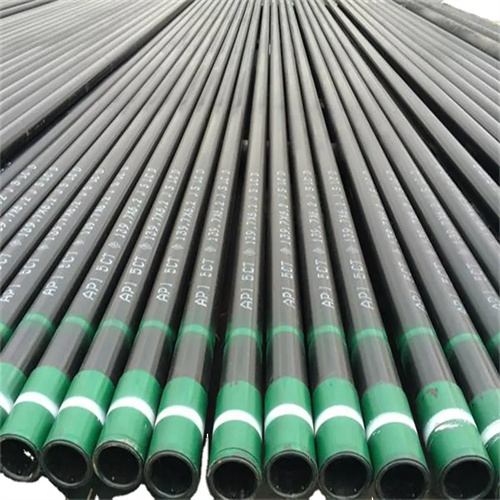
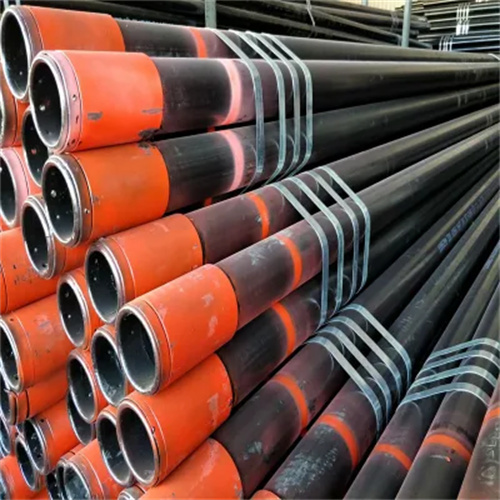
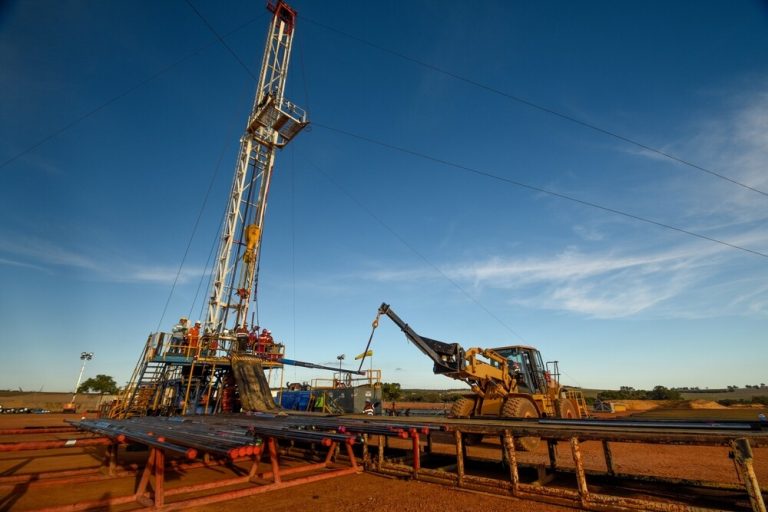
তেল আবরণের ধরন বোঝা
ডিমান্ড টেক্সচার প্রয়োজনীয়তা মূল্যায়ন
তেল আবরণ গ্রেড
চাহিদা টেক্সচারের প্রয়োজনীয়তা মূল্যায়নের আরেকটি গুরুত্বপূর্ণ দিক হল নিয়ন্ত্রক এবং শিল্পের মান বোঝা। এই মানগুলির সাথে সম্মতি শুধুমাত্র একটি আইনি বাধ্যবাধকতা নয় বরং একটি সর্বোত্তম অনুশীলন যা তেল নিষ্কাশন প্রক্রিয়ার নিরাপত্তা এবং নির্ভরযোগ্যতা নিশ্চিত করে। স্থানীয় প্রবিধান এবং শিল্প নির্দেশিকাগুলির সাথে পরিচিতি এই প্রয়োজনীয়তাগুলি পূরণ করে বা অতিক্রম করে এমন কেসিং নির্বাচন করতে সাহায্য করতে পারে, যার ফলে অ-সম্মতি এবং সংশ্লিষ্ট শাস্তির ঝুঁকি হ্রাস পায়। . তাদের দক্ষতা ভূতাত্ত্বিক ডেটা ব্যাখ্যা করতে, উৎপাদনের পূর্বাভাস বুঝতে এবং নিয়ন্ত্রক ল্যান্ডস্কেপ নেভিগেট করতে সাহায্য করতে পারে। তাদের জ্ঞানকে কাজে লাগানোর মাধ্যমে, কেউ প্রকল্পের নির্দিষ্ট চাহিদার টেক্সচারের প্রয়োজনীয়তার সাথে সামঞ্জস্যপূর্ণ সিদ্ধান্ত নিতে পারে। কর্মক্ষম পরিবেশ, এবং নিয়ন্ত্রক মান. এই কারণগুলি পুঙ্খানুপুঙ্খভাবে মূল্যায়ন করে এবং শিল্প বিশেষজ্ঞদের সাথে সহযোগিতা করে, কেউ নিশ্চিত করতে পারে যে নির্বাচিত কেসিং কার্যকরভাবে কাজ করবে, যার ফলে তেল নিষ্কাশন অপারেশনের সামগ্রিক সাফল্য বৃদ্ধি পাবে। এই সতর্ক বিবেচনা শুধুমাত্র বিনিয়োগকে রক্ষা করে না বরং তেল সম্পদের টেকসই এবং দক্ষ উৎপাদনেও অবদান রাখে।
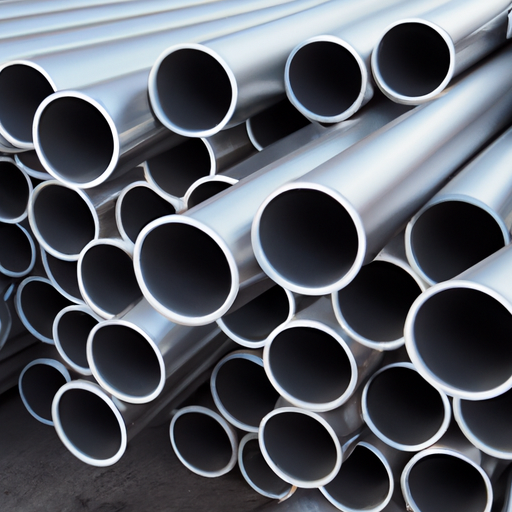
Furthermore, the anticipated production volume plays a significant role in determining the suitable Casing. high production demands may necessitate the use of thicker or more robust casing to accommodate the increased flow rates and pressures. Conversely, in scenarios where production is expected to be lower, a lighter casing may suffice, thus optimizing costs without compromising safety. It is also important to consider the longevity of the casing; selecting Materials that can endure the operational lifespan of the well is essential for minimizing Maintenance and replacement needs.
In addition to geological and production considerations, one must also evaluate the operational environment. Factors such as the presence of water, Gas, or other fluids can influence the choice of casing material. For example, in environments where hydrogen sulfide is present, it is critical to select casing that is resistant to sulfide stress cracking. This not only ensures the safety of the operation but also protects the investment in the drilling project. Moreover, the casing design must account for potential thermal expansion and contraction, which can occur due to temperature fluctuations during production.
Another vital aspect of evaluating demand texture requirements is understanding regulatory and industry standards. Compliance with these standards is not only a legal obligation but also a best practice that ensures the safety and reliability of the oil extraction process. Familiarity with local regulations and industry guidelines can help in selecting casing that meets or exceeds these requirements, thereby reducing the risk of non-compliance and associated penalties.
Finally, collaboration with experienced engineers and industry experts can provide valuable insights into the selection process. Their expertise can help in interpreting geological data, understanding production forecasts, and navigating regulatory landscapes. By leveraging their knowledge, one can make informed decisions that align with the specific demand texture requirements of the project.
In conclusion, choosing the suitable oil casing in line with actual demand texture requires a multifaceted approach that considers geological conditions, production goals, operational environments, and regulatory standards. By thoroughly evaluating these factors and collaborating with industry experts, one can ensure that the selected casing will perform effectively, thereby enhancing the overall success of the oil extraction operation. This careful consideration not only safeguards the investment but also contributes to the sustainable and efficient production of oil resources.