তেল আবরণ শিল্পে প্রযুক্তিগত অগ্রগতির প্রভাব
তেল আবরণ শিল্পে স্থায়িত্ব অনুশীলন

টিউবিং হেড
উপসংহারে, তেল আবরণ শিল্পের প্রযুক্তিগত পরিবেশ বিশ্লেষণ এই সেক্টরের দীর্ঘমেয়াদী কার্যকারিতা নিশ্চিত করার জন্য টেকসইতা অনুশীলনের গুরুত্ব প্রকাশ করে। উপকরণ, উত্পাদন প্রক্রিয়া, পরিবহন, প্রযুক্তি এবং প্রবিধানের উপর দৃষ্টি নিবদ্ধ করে, শিল্পটি তার পরিবেশগত প্রভাব কমাতে পারে এবং আরও টেকসই শক্তি ভবিষ্যতে অবদান রাখতে পারে। ইতিবাচক পরিবর্তন চালনা করতে এবং দায়িত্বশীল পদ্ধতিতে শক্তির ক্রমবর্ধমান চাহিদা মেটাতে উদ্ভাবন এবং সহযোগিতা গ্রহণ করা গুরুত্বপূর্ণ হবে।
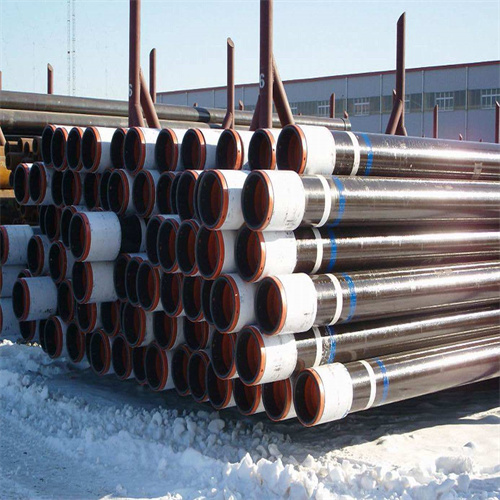
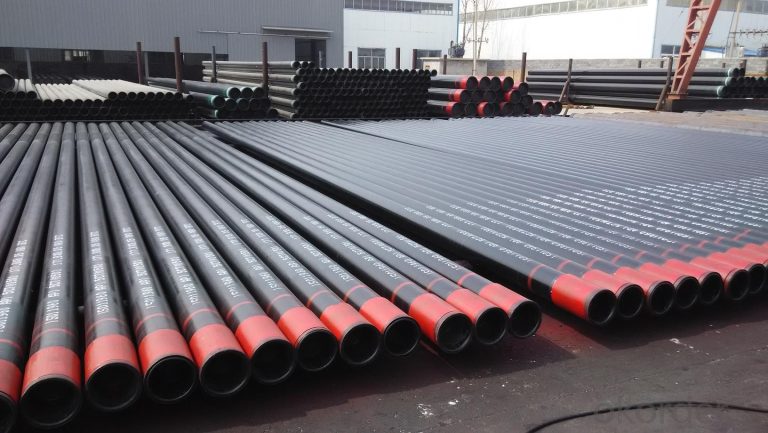
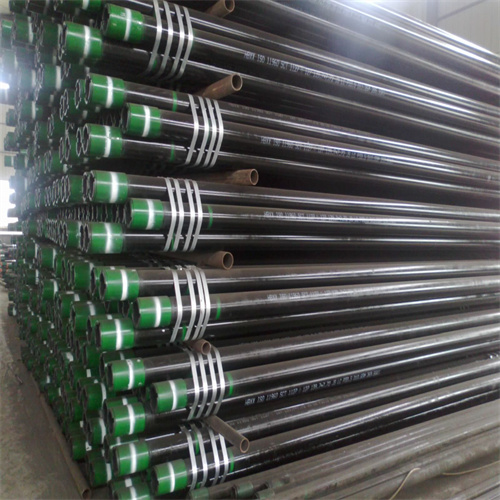
The Oil Casing industry plays a crucial role in the extraction and transportation of Oil and Gas resources. As the demand for energy contiNues to rise, it is essential to analyze the technical environment of this industry to ensure sustainable practices are implemented. Sustainability practices in the oil casing industry are becoming increasingly important as environmental concerns grow worldwide.
One key aspect of sustainability in the oil casing industry is the Materials used in casing production. Traditional materials like Steel have been the go-to choice for casing due to their strength and durability. However, the industry is now exploring alternative materials that are more environmentally friendly. Composite materials, for example, offer a lighter and corrosion-resistant alternative to steel, reducing the environmental impact of casing production and operation.
In addition to materials, the manufacturing process of oil casings also plays a significant role in sustainability. Energy-intensive manufacturing processes contribute to carbon emissions and environmental degradation. Implementing energy-efficient manufacturing techniques and utilizing renewable energy sources can help reduce the carbon footprint of casing production. Furthermore, recycling and reusing materials from old casings can minimize waste and promote a circular economy within the industry.
The transportation and installation of oil casings are other areas where sustainability practices can be improved. Optimizing transportation routes to reduce fuel consumption and emissions, as well as implementing efficient installation techniques, can lower the overall environmental impact of casing operations. Additionally, proper Maintenance and monitoring of casings can extend their lifespan, reducing the need for frequent replacements and further decreasing environmental harm.
Technological advancements also play a crucial role in promoting sustainability in the oil casing industry. innovations such as smart casings equipped with sensors can provide real-time data on casing performance, enabling proactive maintenance and reducing the risk of leaks or failures. Automation and robotics in casing manufacturing and installation processes can improve efficiency and accuracy while minimizing human error.
Regulatory frameworks and industry standards are essential in driving sustainability practices within the oil casing industry. Compliance with environmental regulations and certifications such as ISO 14001 can ensure that Companies adhere to sustainable practices and continuously improve their environmental performance. Collaboration between industry stakeholders, government bodies, and environmental organizations is key to fostering a culture of sustainability and innovation in the oil casing sector.
In conclusion, the technical environment analysis of the oil casing industry reveals the importance of sustainability practices in ensuring the long-term viability of the sector. By focusing on materials, manufacturing processes, transportation, technology, and regulations, the industry can reduce its environmental impact and contribute to a more sustainable energy future. Embracing innovation and collaboration will be crucial in driving positive change and meeting the growing demand for energy in a responsible manner.