Impact of Technological Advancements on Oil Casing Industry
Technological advancements have significantly impacted the oil casing industry, revolutionizing the way Companies operate and enhancing overall efficiency. One of the key areas where technology has made a profound impact is in the design and manufacturing processes of oil casings. Advanced software tools and simulation techniques have enabled engineers to create more durable and efficient casings that can withstand harsh drilling conditions.

Moreover, the integration of Internet of Things (IoT) devices in oil casing operations has brought about a new era of data-driven decision-making. Sensors embedded in casings can provide real-time data on temperature, pressure, and other critical parameters, allowing companies to monitor well conditions remotely and make informed decisions quickly. This real-time monitoring capability has not only improved operational efficiency but also enhanced safety standards in the industry.
Furthermore, the adoption of automation and robotics in oil casing manufacturing has led to increased precision and consistency in production processes. Automated systems can perform tasks with a level of accuracy that surpasses human capabilities, resulting in higher quality casings and reduced error rates. This shift towards automation has also helped companies streamline their operations and reduce production costs, ultimately leading to improved profitability.
In addition to advancements in design and manufacturing, technology has also played a crucial role in optimizing the inspection and Maintenance of oil casings. The use of drones equipped with high-resolution cameras and sensors has made it easier to inspect casings in remote or hard-to-reach locations. These drones can capture detailed images and data, allowing engineers to identify potential issues early on and take proactive measures to prevent failures.
Another significant impact of technological advancements in the oil casing industry is the emergence of digital twin technology. By creating digital replicas of physical assets like Oil Wells and casings, companies can simulate different operating scenarios and predict potential failures before they occur. This predictive maintenance approach has helped companies minimize downtime, extend the lifespan of their assets, and improve overall operational efficiency.
Overall, the integration of advanced technologies in the oil casing industry has transformed traditional practices and paved the way for a more efficient and sustainable future. As companies contiNue to embrace innovation and invest in cutting-edge solutions, the industry is poised to experience further growth and development in the years to come. By leveraging the power of technology, oil casing companies can stay ahead of the curve and remain competitive in an ever-evolving market landscape.
Sustainability Practices in Oil Casing Industry
The oil casing industry plays a crucial role in the extraction and transportation of Oil and Gas resources. As the demand for energy continues to rise, it is essential to analyze the technical environment of this industry to ensure sustainable practices are implemented. Sustainability practices in the oil casing industry are becoming increasingly important as environmental concerns grow worldwide.
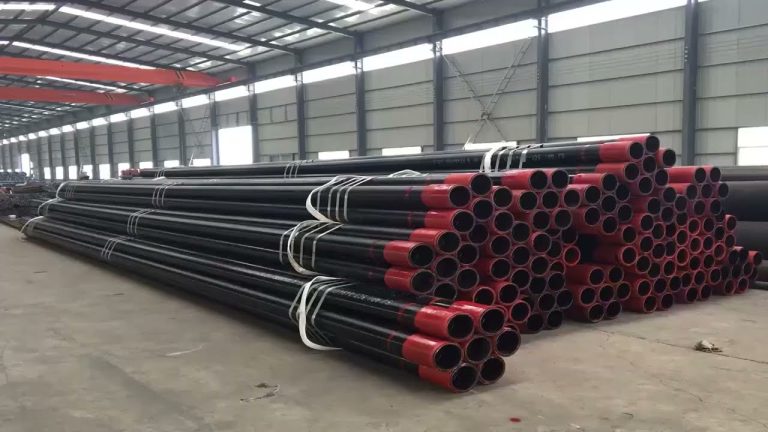
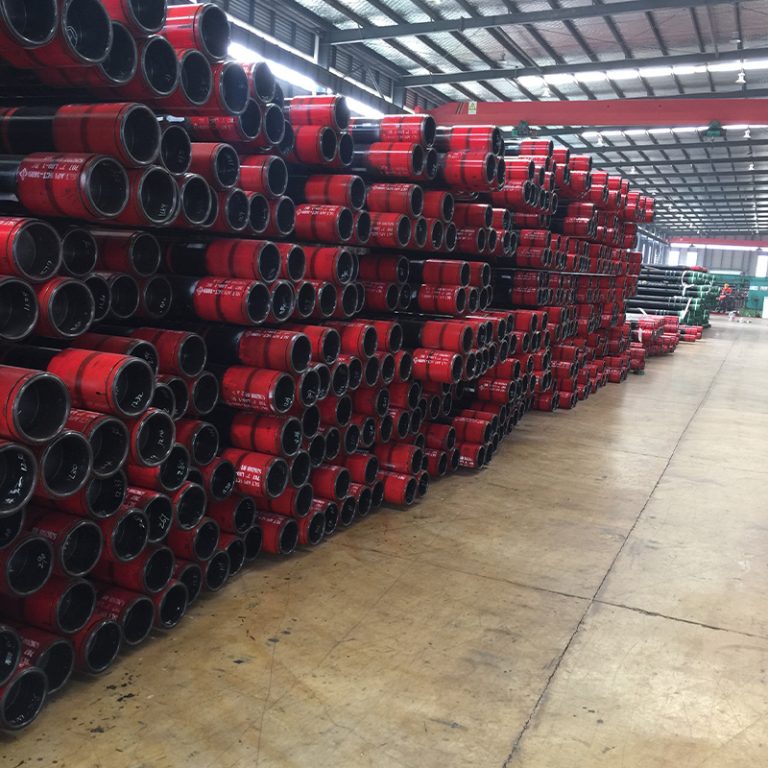
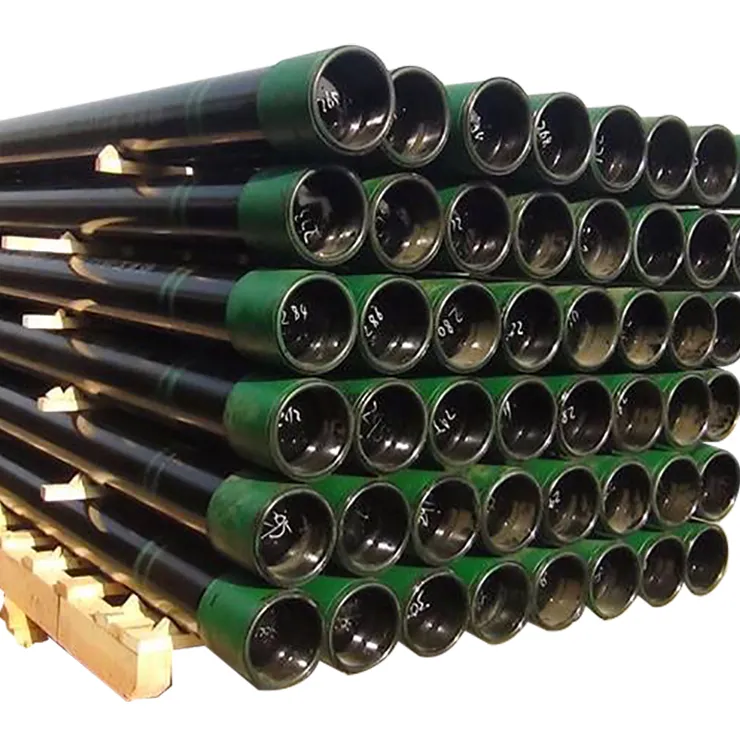
One key aspect of sustainability in the oil casing industry is the Materials used in casing production. Traditional materials like Steel have been the go-to choice for casing due to their strength and durability. However, the industry is now exploring alternative materials that are more environmentally friendly. Composite materials, for example, offer a lighter and corrosion-resistant alternative to steel, reducing the environmental impact of casing production and operation.
In addition to materials, the manufacturing process of oil casings also plays a significant role in sustainability. Energy-intensive manufacturing processes contribute to carbon emissions and environmental degradation. Implementing energy-efficient manufacturing techniques and utilizing renewable energy sources can help reduce the carbon footprint of casing production. Furthermore, recycling and reusing materials from old casings can minimize waste and promote a circular economy within the industry.
The transportation and installation of oil casings are other areas where sustainability practices can be improved. Optimizing transportation routes to reduce fuel consumption and emissions, as well as implementing efficient installation techniques, can lower the overall environmental impact of casing operations. Additionally, proper maintenance and monitoring of casings can extend their lifespan, reducing the need for frequent replacements and further decreasing environmental harm.
Technological advancements also play a crucial role in promoting sustainability in the oil casing industry. Innovations such as smart casings equipped with sensors can provide real-time data on casing performance, enabling proactive maintenance and reducing the risk of leaks or failures. Automation and robotics in casing manufacturing and installation processes can improve efficiency and accuracy while minimizing human error.
Regulatory frameworks and industry standards are essential in driving sustainability practices within the oil casing industry. Compliance with environmental regulations and certifications such as ISO 14001 can ensure that companies adhere to sustainable practices and continuously improve their environmental performance. Collaboration between industry stakeholders, government bodies, and environmental organizations is key to fostering a culture of sustainability and innovation in the oil casing sector.
Tubing Head
In conclusion, the technical environment analysis of the oil casing industry reveals the importance of sustainability practices in ensuring the long-term viability of the sector. By focusing on materials, manufacturing processes, transportation, technology, and regulations, the industry can reduce its environmental impact and contribute to a more sustainable energy future. Embracing innovation and collaboration will be crucial in driving positive change and meeting the growing demand for energy in a responsible manner.