তেল ও গ্যাস শিল্পের জন্য API স্পেক 5CT ব্যবহারের সুবিধা
এপিআই স্পেক 5সিটি কমপ্লায়েন্স বাস্তবায়নে সাধারণ চ্যালেঞ্জ
এই চ্যালেঞ্জগুলি সত্ত্বেও, তেল ও গ্যাস অপারেশনগুলির নিরাপত্তা, নির্ভরযোগ্যতা এবং দক্ষতা নিশ্চিত করার জন্য API Spec 5CT সম্মতি অর্জন করা অপরিহার্য। যে কোম্পানিগুলি স্ট্যান্ডার্ডের প্রয়োজনীয়তাগুলি পূরণ করার জন্য প্রয়োজনীয় সংস্থান, প্রক্রিয়া এবং সিস্টেমগুলিতে বিনিয়োগ করে তারা কেবল ঝুঁকিগুলি হ্রাস করবে না বরং শিল্পে তাদের খ্যাতি এবং প্রতিযোগিতামূলকতাও বাড়াবে৷ তেল ও গ্যাস শিল্পে। স্ট্যান্ডার্ডের প্রযুক্তিগত প্রয়োজনীয়তাগুলি বোঝা থেকে শুরু করে খরচ পরিচালনা, উত্পাদন প্রক্রিয়াগুলিতে সামঞ্জস্যতা নিশ্চিত করা এবং সাংস্কৃতিক ও সাংগঠনিক বাধা অতিক্রম করা, কোম্পানিগুলিকে অবশ্যই সম্মতি অর্জন এবং বজায় রাখতে একটি জটিল ল্যান্ডস্কেপ নেভিগেট করতে হবে। যাইহোক, উন্নত নিরাপত্তা, নির্ভরযোগ্যতা এবং প্রতিযোগিতামূলক সহ সম্মতির সুবিধাগুলি প্রচেষ্টাটিকে সার্থক করে তোলে। এই চ্যালেঞ্জগুলিকে সক্রিয়ভাবে এবং কৌশলগতভাবে মোকাবেলা করার মাধ্যমে, কোম্পানিগুলি গতিশীল এবং চাহিদাপূর্ণ তেল ও গ্যাস শিল্পে সাফল্যের জন্য নিজেদের অবস্থান করতে পারে।
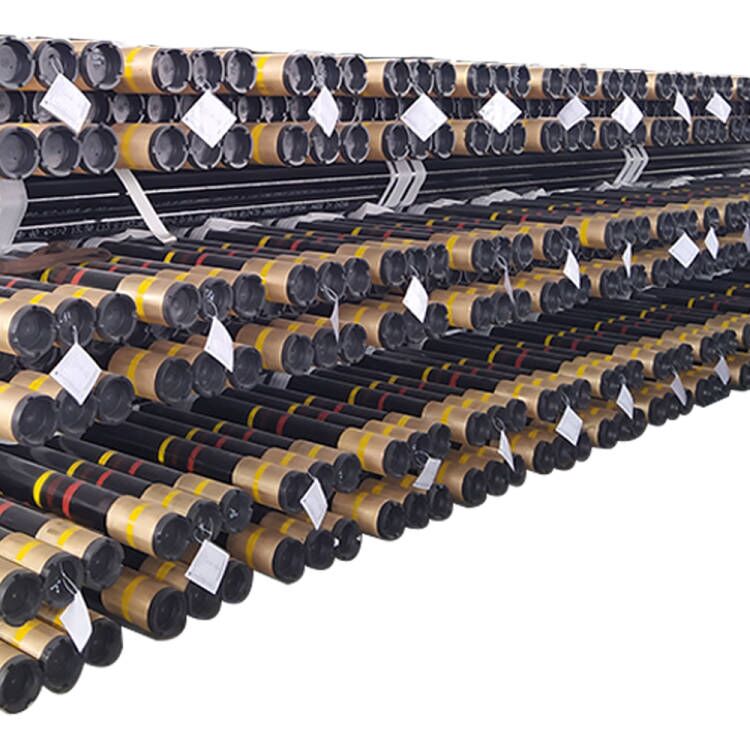
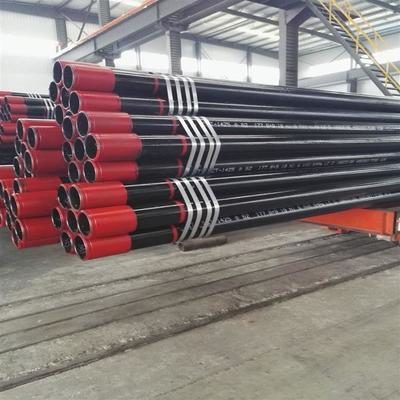
API Spec 5CT, or American Petroleum Institute Specification 5CT, is a standard that sets guidelines for the manufacturing and testing of Casing and Tubing used in the Oil and Gas industry. Compliance with API Spec 5CT is crucial for ensuring the safety and integrity of oil and gas wells. However, implementing API Spec 5CT compliance can present several challenges for Companies in the industry.
One common challenge in implementing API Spec 5CT compliance is the complexity of the standard itself. API Spec 5CT is a comprehensive document that covers a wide range of technical requirements, including Material properties, dimensions, and testing procedures. Understanding and interpreting these requirements can be daunting for companies that are new to the standard or lack experience in the oil and gas industry.
Another challenge is the cost associated with achieving and maintaining API Spec 5CT compliance. Companies may need to invest in new equipment, training, and quality control measures to meet the requirements of the standard. Additionally, regular audits and inspections are necessary to ensure ongoing compliance, which can add to the overall cost of implementation.
Silicone Case
Ensuring consistency in manufacturing processes is also a key challenge in API Spec 5CT compliance. The standard requires strict adherence to specified procedures and controls to ensure the quality and integrity of casing and tubing products. Any deviation from these requirements can result in non-compliance and potential safety risks for oil and gas operations.
 Furthermore, keeping up with updates and revisions to API Spec 5CT can be a challenge for companies. The standard is periodically revised to reflect changes in technology, industry best practices, and regulatory requirements. Staying informed about these updates and implementing necessary changes in a timely manner is essential for maintaining compliance with the latest version of the standard.
In addition to technical challenges, companies may also face cultural and organizational barriers to implementing API Spec 5CT compliance. Resistance to change, lack of buy-in from key stakeholders, and competing priorities within the organization can hinder efforts to achieve and maintain compliance with the standard. Effective communication, training, and leadership support are essential for overcoming these barriers and fostering a culture of compliance within the Company.
Despite these challenges, achieving API Spec 5CT compliance is essential for ensuring the safety, reliability, and efficiency of oil and gas operations. Companies that invest in the necessary resources, processes, and systems to meet the requirements of the standard will not only mitigate risks but also enhance their reputation and competitiveness in the industry.
In conclusion, implementing API Spec 5CT compliance presents several challenges for companies in the oil and gas industry. From understanding the technical requirements of the standard to managing costs, ensuring consistency in manufacturing processes, and overcoming cultural and organizational barriers, companies must navigate a complex landscape to achieve and maintain compliance. However, the benefits of compliance, including improved safety, reliability, and competitiveness, make the effort worthwhile. By addressing these challenges proactively and strategically, companies can position themselves for success in the dynamic and demanding oil and gas industry.