**তেল আবরণ উপাদানের উপাদান বৈশিষ্ট্য**
তেল আবরণ উপাদানগুলির উপাদান বৈশিষ্ট্যগুলি তেল এবং গ্যাস কূপের সামগ্রিক অখণ্ডতা এবং কর্মক্ষমতার জন্য গুরুত্বপূর্ণ। এই উপাদানগুলি, যার মধ্যে কেসিং পাইপ, কাপলিং এবং অন্যান্য জিনিসপত্র রয়েছে, ড্রিলিং এবং উত্পাদন প্রক্রিয়ার সময় সম্মুখীন হওয়া কঠোর পরিস্থিতি সহ্য করার জন্য ডিজাইন করা আবশ্যক। উপযুক্ত উপকরণ নির্বাচন সর্বাগ্রে, কারণ এটি সরাসরি স্থায়িত্ব, শক্তি এবং বিভিন্ন ধরনের অবক্ষয়ের প্রতিরোধকে প্রভাবিত করে যা ভূপৃষ্ঠের পরিবেশে ঘটতে পারে। বিশেষ করে কার্বন ইস্পাত এবং খাদ ইস্পাত। কার্বন ইস্পাত উচ্চ প্রসার্য শক্তি এবং নমনীয়তা সহ এর চমৎকার যান্ত্রিক বৈশিষ্ট্যের জন্য পছন্দ করা হয়, যা এটিকে ড্রিলিং অপারেশনের সময় আরোপিত চাপ সহ্য করতে দেয়। যাইহোক, নির্বাচিত কার্বন স্টিলের নির্দিষ্ট গ্রেডটি অবশ্যই সাবধানে বিবেচনা করা উচিত, কারণ বিভিন্ন গ্রেড ক্ষয় এবং অন্যান্য পরিবেশগত কারণগুলির প্রতিরোধের বিভিন্ন স্তর প্রদর্শন করে। উদাহরণস্বরূপ, উচ্চ-শক্তি লো-অ্যালয় (HSLA) স্টিলের ব্যবহার স্ট্রেস জারা ক্র্যাকিংয়ের উন্নত প্রতিরোধ প্রদান করে কেসিং উপাদানগুলির কার্যকারিতা বাড়াতে পারে, যা অনেক তেল এবং গ্যাস ক্ষেত্রে একটি উল্লেখযোগ্য উদ্বেগ।

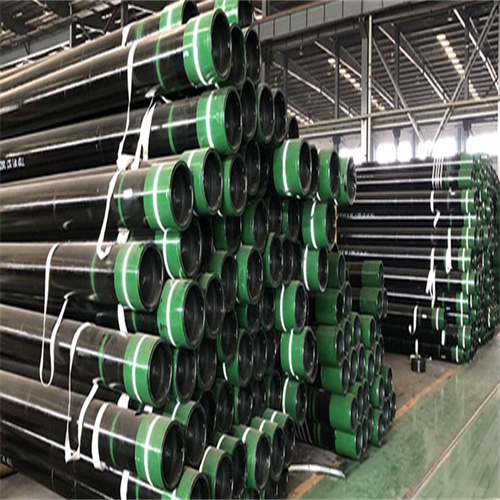
API 5ct C110 কেসিং সেরা চীন পাইকারি
**তেল আবরণ উপাদান নির্বাচন করার জন্য মানদণ্ড**
তেল আবরণ উপাদান নির্বাচন তেল এবং গ্যাস শিল্পের একটি গুরুত্বপূর্ণ দিক, কারণ এই উপাদানগুলি ড্রিলিং অপারেশনের অখণ্ডতা এবং নিরাপত্তা নিশ্চিত করতে একটি গুরুত্বপূর্ণ ভূমিকা পালন করে। তেল আবরণ উপাদান নির্বাচন করার জন্য মানদণ্ড বিবেচনা করার সময়, নির্বাচিত উপকরণ এবং নকশা ড্রিলিং পরিবেশের নির্দিষ্ট প্রয়োজনীয়তা পূরণ করে তা নিশ্চিত করার জন্য বেশ কয়েকটি বিষয় বিবেচনা করা আবশ্যক। প্রাথমিক বিবেচনার মধ্যে একটি হল আবরণ উপাদানের যান্ত্রিক বৈশিষ্ট্য। ড্রিলিং অপারেশনের সময় উচ্চ চাপ এবং চাপ সহ্য করার জন্য কেসিংটির যথেষ্ট শক্তি থাকতে হবে। এর মধ্যে শুধু অক্ষীয় লোডই নয় বরং আশেপাশের ভূতাত্ত্বিক গঠন থেকে উদ্ভূত রেডিয়াল লোডও অন্তর্ভুক্ত। অতএব, কার্বন স্টিলের মতো উপকরণ, যা সাধারণত এর অনুকূল শক্তি-থেকে-ওজন অনুপাতের কারণে ব্যবহৃত হয়, প্রায়শই পছন্দ করা হয়। তেল এবং গ্যাসের কূপগুলি প্রায়ই ক্ষয়কারী তরল এবং গ্যাস সহ কঠোর পরিবেশের সংস্পর্শে আসে। ফলস্বরূপ, আবরণের জীবনকাল দীর্ঘায়িত করতে এবং ব্যয়বহুল ব্যর্থতা রোধ করতে ক্ষয় প্রতিরোধ করতে পারে এমন উপকরণ নির্বাচন করা অপরিহার্য। উদাহরণস্বরূপ, স্টেইনলেস স্টীল বা অন্যান্য মিশ্রিত উপকরণের ব্যবহার এমন পরিবেশে নিশ্চিত হতে পারে যেখানে জারা হওয়ার ঝুঁকি বিশেষভাবে বেশি। তদ্ব্যতীত, নির্বাচন প্রক্রিয়াটি অবশ্যই কূপের তাপমাত্রা এবং চাপের অবস্থা বিবেচনা করবে। উচ্চ-তাপমাত্রা এবং উচ্চ-চাপের কূপগুলির জন্য ক্যাসিংয়ের প্রয়োজন হয় যা চরম পরিস্থিতিতে তাদের অখণ্ডতা বজায় রাখতে পারে, যা কর্মক্ষমতা বাড়ানোর জন্য ডিজাইন করা বিশেষ উপকরণ বা আবরণ ব্যবহার করতে পারে। এবং কূপে ব্যবহৃত অন্যান্য উপকরণ। কেসিং এবং ড্রিলিং তরলগুলির মধ্যে মিথস্ক্রিয়া কূপের সামগ্রিক কর্মক্ষমতাকে উল্লেখযোগ্যভাবে প্রভাবিত করতে পারে। অতএব, এটি নিশ্চিত করা অপরিহার্য যে নির্বাচিত আবরণ সামগ্রীগুলি তরলগুলির সাথে বিরূপ প্রতিক্রিয়া না করে, যা অবক্ষয় বা ব্যর্থতার কারণ হতে পারে। উপরন্তু, কেসিং ডিজাইন অবশ্যই দক্ষ ইনস্টলেশন এবং পুনরুদ্ধার প্রক্রিয়া সহজতর করতে হবে। এর মধ্যে রয়েছে পরিচালনার সহজতা, উপাদানগুলির ওজন এবং কেসিংয়ের বিভিন্ন বিভাগে যোগদানের পদ্ধতিগুলি বিবেচনা করা। নকশাটি ইনস্টলেশন পর্ব এবং ভবিষ্যতের রক্ষণাবেক্ষণ বা পরিত্যক্ত কার্যক্রম উভয় সময়ই মসৃণ ক্রিয়াকলাপের জন্য অনুমতি দেয়। কেসিং উপকরণ এবং উপাদানগুলির খরচ উল্লেখযোগ্যভাবে পরিবর্তিত হতে পারে, এবং বাজেটের সীমাবদ্ধতার সাথে কর্মক্ষমতা প্রয়োজনীয়তাগুলির ভারসাম্য বজায় রাখা অপরিহার্য। যদিও এটি সর্বনিম্ন-খরচের বিকল্পগুলি বেছে নেওয়ার জন্য প্রলুব্ধ হতে পারে, এই পদ্ধতিটি ঝুঁকি এবং সম্ভাব্য ব্যর্থতার দিকে নিয়ে যেতে পারে, যার ফলে দীর্ঘমেয়াদে উচ্চ খরচ হতে পারে। অতএব, একটি পুঙ্খানুপুঙ্খ ব্যয়-সুবিধা বিশ্লেষণ করা উচিত যাতে নির্বাচিত কেসিং উপাদানগুলি সমস্ত প্রয়োজনীয় কর্মক্ষমতা মানদণ্ড পূরণ করার সময় সর্বোত্তম মান প্রদান করে৷ নিরাপত্তা এবং পরিবেশগত সুরক্ষা নিশ্চিত করার জন্য বিভিন্ন সংস্থা এবং পরিচালনা সংস্থাগুলি কেসিং উপকরণ এবং নকশাগুলির জন্য নির্দেশিকা এবং মান স্থাপন করে। এই প্রবিধানগুলির সাথে সম্মতি শুধুমাত্র একটি আইনি প্রয়োজনীয়তা নয় বরং এটি একটি সর্বোত্তম অনুশীলন যা ড্রিলিং অপারেশনগুলির সাথে সম্পর্কিত ঝুঁকিগুলি হ্রাস করতে সহায়তা করে৷ উপসংহারে, তেল আবরণ উপাদান নির্বাচন একটি বহুমুখী প্রক্রিয়া যার জন্য যান্ত্রিক বৈশিষ্ট্য, জারা প্রতিরোধ, ড্রিলিং তরলগুলির সাথে সামঞ্জস্য, ইনস্টলেশন দক্ষতা, অর্থনৈতিক কারণ এবং নিয়ন্ত্রক সম্মতিগুলির যত্ন সহকারে বিবেচনা করা প্রয়োজন। এই মানদণ্ডগুলি পুঙ্খানুপুঙ্খভাবে মূল্যায়ন করে, অপারেটররা নিশ্চিত করতে পারে যে তারা তাদের নির্দিষ্ট ড্রিলিং অ্যাপ্লিকেশনগুলির জন্য সবচেয়ে উপযুক্ত কেসিং উপাদানগুলি নির্বাচন করে, শেষ পর্যন্ত তাদের ক্রিয়াকলাপের সাফল্য এবং সুরক্ষায় অবদান রাখে৷
In conclusion, the Material properties of Oil Casing components are fundamental to the success of Oil and Gas operations. The careful selection of materials, taking into account factors such as mechanical strength, Corrosion resistance, temperature and pressure conditions, and compatibility with formation fluids, is essential for ensuring the reliability and longevity of casing systems. By understanding these material properties and their implications, engineers and operators can make informed decisions that enhance the safety and efficiency of oil and gas extraction processes.
**Criteria for Selecting Oil Casing Components**
The selection of oil casing components is a critical aspect of the oil and gas industry, as these components play a vital role in ensuring the integrity and safety of drilling operations. When considering the criteria for selecting oil casing components, several factors must be taken into account to ensure that the cHosen materials and designs meet the specific requirements of the drilling environment. One of the primary considerations is the mechanical properties of the casing material. The casing must possess sufficient strength to withstand the high pressures and stresses encountered during drilling operations. This includes not only the axial loads but also the radial loads that can arise from the surrounding geological formations. Therefore, materials such as Carbon Steel, which is commonly used due to its favorable strength-to-Weight ratio, are often preferred.
In addition to mechanical strength, the corrosion resistance of the casing material is another crucial factor. oil and gas wells are often exposed to harsh environments, including corrosive fluids and gases. As a result, selecting materials that can resist corrosion is essential to prolonging the lifespan of the casing and preventing costly failures. For instance, the use of Stainless Steel or other alloyed materials may be warranted in environments where the risk of corrosion is particularly high. Furthermore, the selection process must also consider the temperature and pressure conditions of the well. High-temperature and high-pressure wells require casings that can maintain their integrity under extreme conditions, which may necessitate the use of specialized materials or coatings designed to enhance performance.
Another important criterion is the compatibility of the casing components with the drilling fluids and other materials used in the well. The interaction between the casing and the drilling fluids can significantly impact the overall performance of the well. Therefore, it is essential to ensure that the selected casing materials do not react adversely with the fluids, which could lead to degradation or failure. Additionally, the casing design must facilitate efficient installation and retrieval processes. This includes considering the ease of handling, the weight of the components, and the methods of joining different sections of casing. The design should allow for Smooth operations during both the installation phase and any future Maintenance or abandonment activities.
Moreover, economic factors cannot be overlooked in the selection process. The cost of casing materials and components can vary significantly, and it is essential to balance performance requirements with budgetary constraints. While it may be tempting to opt for the lowest-cost options, this approach can lead to increased risks and potential failures, ultimately resulting in higher costs in the long run. Therefore, a thorough cost-benefit analysis should be conducted to ensure that the selected casing components provide the best value while meeting all necessary performance criteria.
Lastly, regulatory compliance and industry standards must be adhered to during the selection process. Various organizations and governing bodies establish guidelines and standards for casing materials and designs to ensure safety and environmental protection. Compliance with these regulations is not only a legal requirement but also a best practice that helps to mitigate risks associated with drilling operations. In conclusion, the selection of oil casing components is a multifaceted process that requires careful consideration of mechanical properties, corrosion resistance, compatibility with drilling fluids, installation efficiency, economic factors, and regulatory compliance. By thoroughly evaluating these criteria, operators can ensure that they select the most appropriate casing components for their specific drilling applications, ultimately contributing to the success and safety of their operations.