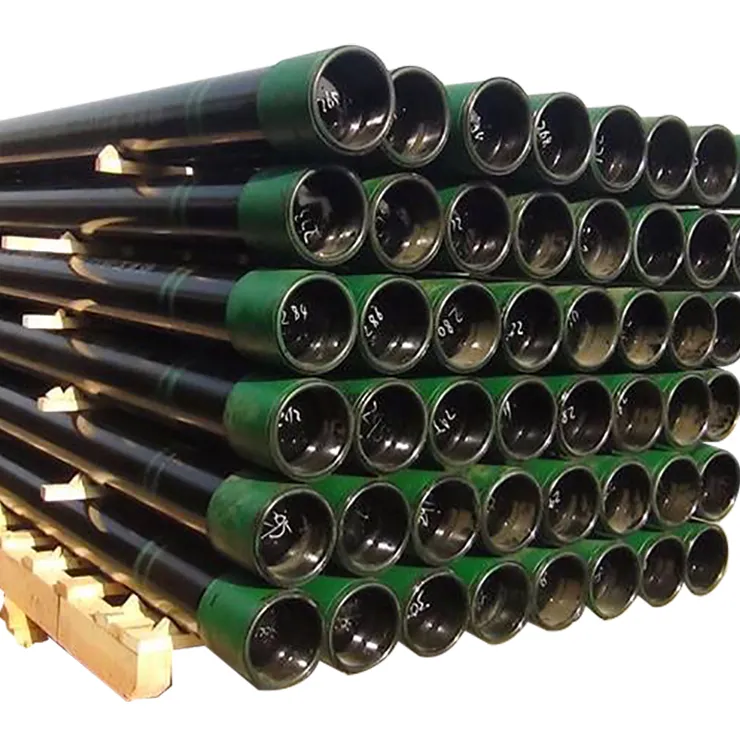
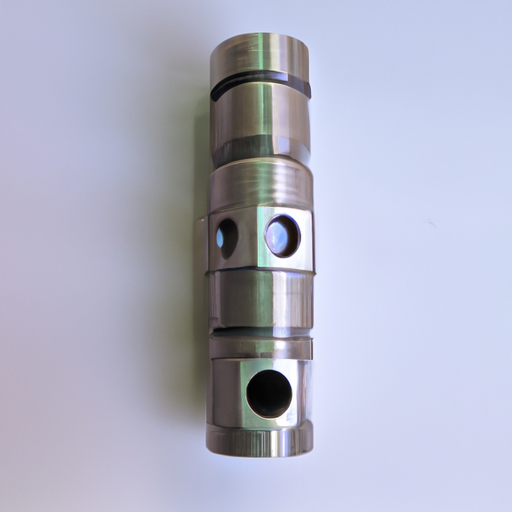
শীর্ষ তেল আবরণ প্রস্তুতকারকদের মধ্যে টেকসই অনুশীলন
তেল আবরণ উৎপাদনের জন্য পরিবেশ-বান্ধব উপকরণে উদ্ভাবন
তেল আবরণ কারখানার উপর পরিবেশগত প্রবিধানের প্রভাব
কি দিয়ে তৈরি তেল ফিল্টার কেস
পানি ব্যবহার পরিবেশগত মান দ্বারা নিয়ন্ত্রিত আরেকটি গুরুত্বপূর্ণ দিক। তেল আবরণ কারখানায় শীতলকরণ, পরিষ্কারকরণ এবং অন্যান্য প্রক্রিয়ার জন্য উল্লেখযোগ্য পরিমাণে জলের প্রয়োজন হয়। দায়িত্বশীল জলের ব্যবহার নিশ্চিত করতে, এই কারখানাগুলিকে অবশ্যই তাদের জলের পদচিহ্ন কমাতে এবং স্থানীয় জলের উত্সগুলির দূষণ রোধ করতে জল সংরক্ষণের ব্যবস্থা এবং চিকিত্সা ব্যবস্থা প্রয়োগ করতে হবে৷ বিদ্যমান সুবিধা সম্প্রসারণ। এই মূল্যায়নগুলি সম্ভাব্য পরিবেশগত ঝুঁকি শনাক্ত করতে সাহায্য করে এবং পার্শ্ববর্তী বাস্তুতন্ত্রকে রক্ষা করার জন্য প্রশমনের কৌশল তৈরি করে৷ ভোক্তা এবং স্টেকহোল্ডাররা ক্রমবর্ধমানভাবে কোম্পানিগুলির কাছ থেকে স্বচ্ছতা এবং জবাবদিহিতা দাবি করছে, তেল আবরণ কারখানাগুলিকে তাদের ক্রিয়াকলাপে স্থায়িত্ব এবং পরিবেশগত দায়িত্বকে অগ্রাধিকার দেওয়ার জন্য চাপ দিচ্ছে। এই প্রবিধানগুলি শিল্পকে আরও টেকসই অনুশীলনের দিকে চালিত করে, দূষণ হ্রাস করে এবং দায়িত্বশীল সম্পদ ব্যবস্থাপনার প্রচার করে। পরিবেশগত দায়িত্ব গ্রহণ করে, তেল আবরণ কারখানা ভবিষ্যত প্রজন্মের জন্য একটি পরিষ্কার এবং স্বাস্থ্যকর পরিবেশে অবদান রাখতে পারে।
Oil Casing Factories play a crucial role in the Oil and Gas industry, providing the necessary equipment for drilling and extraction processes. However, the environmental impact of these factories cannot be overlooked. With the increasing focus on sustainability and environmental responsibility, oil casing factories are under pressure to comply with stringent regulations to minimize their ecological footprint.
what is an Oil Filter case made of
Environmental regulations have a significant impact on oil casing factories worldwide. These regulations aim to reduce pollution, conserve resources, and promote sustainable practices within the industry. By adhering to these regulations, oil casing factories can mitigate their environmental impact and contribute to a greener future.
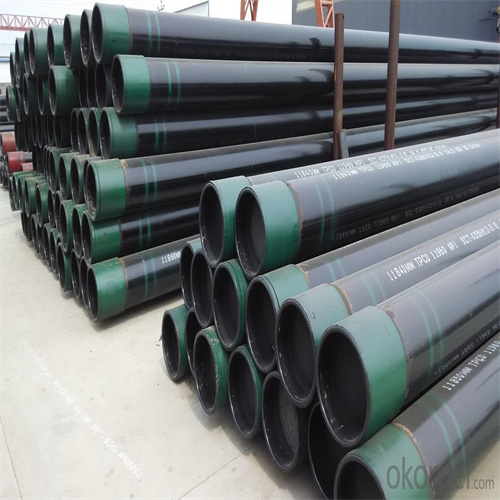
One of the key areas of focus for environmental regulations is the reduction of greenhouse gas emissions. Oil casing factories are often energy-intensive operations, requiring large amounts of electricity and fuel to power their machinery. By implementing energy-efficient technologies and practices, these factories can reduce their carbon footprint and lower their overall environmental impact.
In addition to greenhouse gas emissions, environmental regulations also address waste management and disposal practices. Oil casing factories generate various types of waste, including metal scraps, chemicals, and wastewater. Proper waste management is essential to prevent pollution and protect the surrounding environment. By implementing recycling programs and safe disposal methods, oil casing factories can minimize their waste output and promote a circular economy.
Water usage is another critical aspect regulated by environmental standards. Oil casing factories require significant amounts of water for cooling, cleaning, and other processes. To ensure responsible water usage, these factories must implement water conservation measures and treatment systems to minimize their water footprint and prevent contamination of local water sources.
Furthermore, environmental regulations often require oil casing factories to conduct environmental impact assessments before starting new projects or expanding existing facilities. These assessments help identify potential environmental risks and develop mitigation strategies to protect the surrounding ecosystem.
By complying with environmental regulations, oil casing factories not only reduce their environmental impact but also enhance their reputation and credibility in the industry. Consumers and stakeholders are increasingly demanding transparency and accountability from Companies, pushing oil casing factories to prioritize sustainability and environmental responsibility in their operations.
In conclusion, the impact of environmental regulations on oil casing factories is profound. These regulations drive the industry towards more sustainable practices, reduce pollution, and promote responsible resource management. By embracing environmental responsibility, oil casing factories can contribute to a cleaner and healthier environment for future generations.