চীনের তেল শিল্পে টেকসই উদ্যোগ
তেল পাইপলাইন সামগ্রীর জন্য ন্যানো প্রযুক্তিতে অগ্রগতি
তেল পাইপলাইন উপকরণগুলির যান্ত্রিক এবং প্রতিরক্ষামূলক বৈশিষ্ট্যগুলিকে উন্নত করার পাশাপাশি, ন্যানো প্রযুক্তি স্মার্ট উপকরণগুলির বিকাশকেও সক্ষম করেছে যা তাদের পরিবেশের পরিবর্তনগুলিতে সক্রিয়ভাবে প্রতিক্রিয়া জানাতে পারে। ন্যানোসেন্সরগুলির সাথে এমবেড করা স্মার্ট উপকরণগুলি স্ট্রেস, তাপমাত্রার তারতম্য এবং অন্যান্য কারণগুলি সনাক্ত করতে পারে যা পাইপলাইনের অখণ্ডতাকে প্রভাবিত করতে পারে, যা রিয়েল-টাইম পর্যবেক্ষণ এবং রক্ষণাবেক্ষণের অনুমতি দেয়৷ টেকসই তেল পাইপলাইন নির্মাণের জন্য নতুন সম্ভাবনা। গ্রাফিন, একটি দ্বি-মাত্রিক কার্বন অ্যালোট্রপ, ব্যতিক্রমী শক্তি এবং পরিবাহিতা প্রদান করে, এটি তেল পাইপলাইনে ব্যবহারের জন্য একটি আকর্ষণীয় উপাদান তৈরি করে। ন্যানোটেকনোলজির সাথে গ্রাফিনকে একত্রিত করে, চীনের গবেষকরা পরিবেশ বান্ধব এবং উচ্চ-কার্যক্ষমতা সম্পন্ন পাইপলাইন সামগ্রী তৈরি করার উদ্ভাবনী উপায়গুলি অন্বেষণ করছেন৷ , আরো দক্ষ, এবং পরিবেশ বান্ধব শক্তি অবকাঠামো. ন্যানোম্যাটেরিয়ালের অনন্য বৈশিষ্ট্যগুলিকে কাজে লাগানোর মাধ্যমে, গবেষক এবং প্রকৌশলীরা তেল ও গ্যাস শিল্পে উদ্ভাবনের একটি নতুন যুগের পথ প্রশস্ত করছেন, যাতে আমরা শক্তির সংস্থান পরিবহন এবং ব্যবহার করার উপায়কে রূপান্তরিত করতে পারি৷
তেল পাইপলাইন রক্ষণাবেক্ষণের উপর কৃত্রিম বুদ্ধিমত্তার প্রভাব
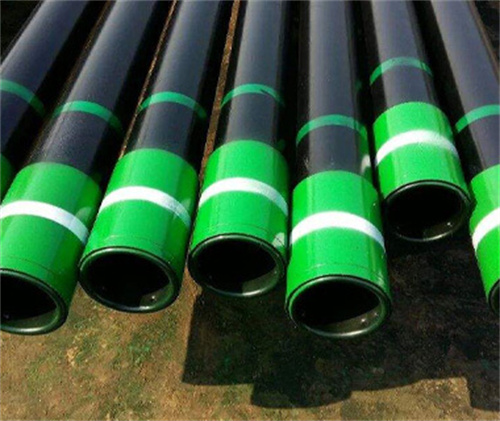
বস্তুগত উদ্ভাবন ছাড়াও, চীন তেল পাইপলাইন রক্ষণাবেক্ষণে বিপ্লব আনতে কৃত্রিম বুদ্ধিমত্তা (AI) ব্যবহার করছে। AI প্রযুক্তি, যেমন ভবিষ্যদ্বাণীমূলক বিশ্লেষণ এবং মেশিন লার্নিং, কোম্পানিগুলিকে পাইপলাইন বরাবর ইনস্টল করা সেন্সর থেকে সংগ্রহ করা বিপুল পরিমাণ ডেটা বিশ্লেষণ করতে সক্ষম করেছে। সম্ভাব্য ব্যর্থতার পূর্বাভাস দিতে এবং সক্রিয়ভাবে রক্ষণাবেক্ষণের সময়সূচী করার জন্য AI অ্যালগরিদম ব্যবহার করে, চীন তার তেল পাইপলাইন অবকাঠামোর কর্মক্ষমতা কমাতে এবং অপ্টিমাইজ করতে সক্ষম হয়েছে। এআই ক্ষমতার সাথে সজ্জিত রোবোটিক পরিদর্শন সরঞ্জামগুলি পাইপলাইনের মাধ্যমে নেভিগেট করতে পারে, ত্রুটি এবং অসঙ্গতিগুলি সনাক্ত করতে পারে উচ্চ নির্ভুলতার সাথে। এটি শুধুমাত্র রক্ষণাবেক্ষণ কার্যক্রমের সঠিকতাই উন্নত করে না বরং বিপজ্জনক পরিবেশে মানব কর্মীদের এক্সপোজারও হ্রাস করে। দেশে তেল ও গ্যাস শিল্প। এই অগ্রগতিগুলি শুধুমাত্র তেল পরিবহনের দক্ষতা এবং নিরাপত্তা বাড়ায়নি বরং টেকসই এবং বুদ্ধিমান পাইপলাইন পরিচালনার জন্য একটি নতুন মানও স্থাপন করেছে। চীন যেহেতু তেল পাইপলাইন উদ্ভাবনের পথে এগিয়ে চলেছে, তেল পরিবহনের ভবিষ্যত স্থায়িত্ব, দক্ষতা এবং পরিবেশগত দায়িত্বের উপর ফোকাস করে আশাব্যঞ্জক দেখাচ্ছে।
Impact of Artificial Intelligence on Oil Pipeline Maintenance
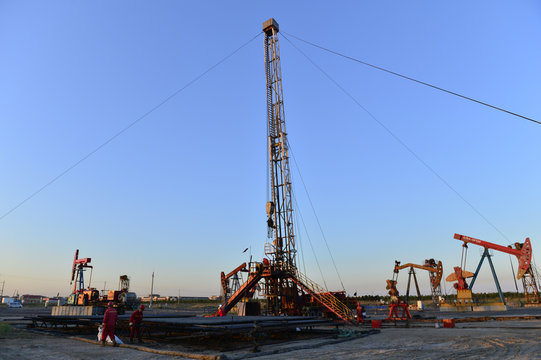
china has been at the forefront of innovation in various industries, including Oil and Gas. In recent years, the country has witnessed significant advancements in oil pipeline Material technologies. These innovations have not only improved the efficiency and safety of Oil Transportation but have also had a profound impact on the maintenance of oil pipelines.
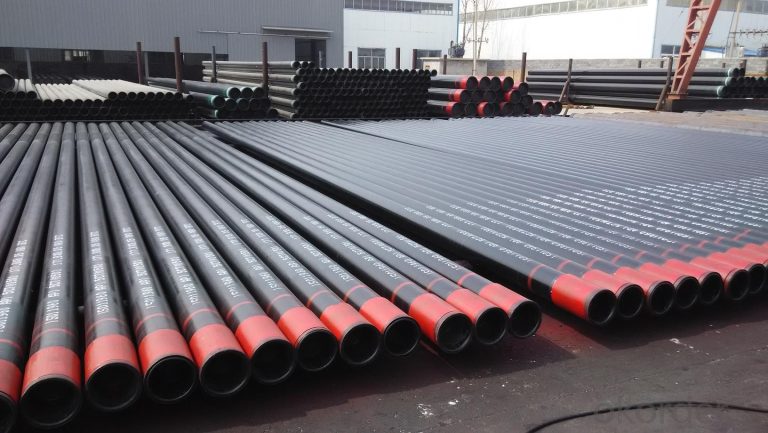
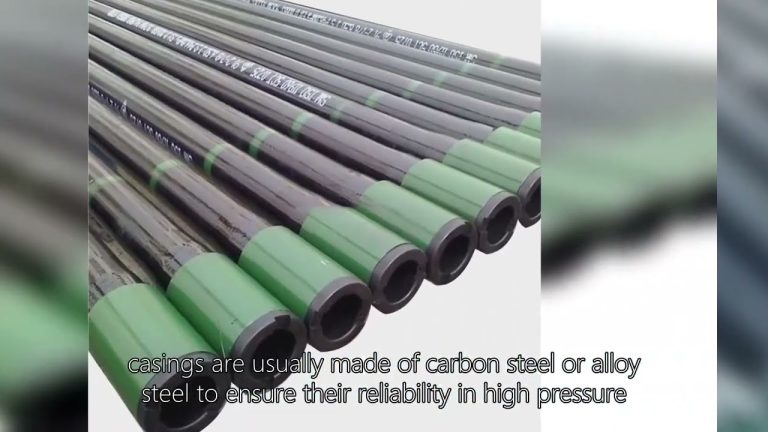
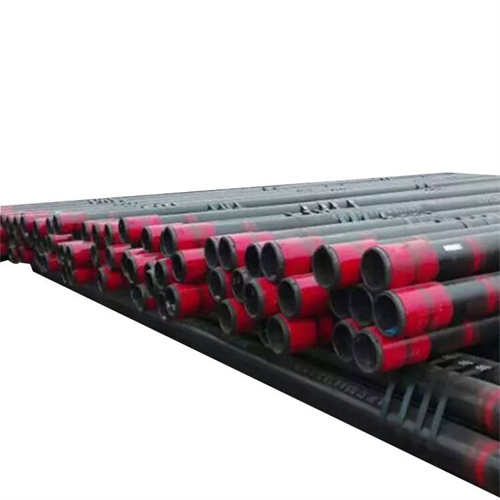
One of the key trends in oil pipeline material innovation in China is the development of corrosion-resistant materials. Corrosion is a major challenge faced by oil pipelines, leading to leaks and environmental hazards. By investing in the research and development of corrosion-resistant materials, China has been able to enhance the durability and longevity of its oil pipelines, reducing maintenance costs and minimizing the risk of accidents.
Another important trend is the use of composite materials in oil pipeline Construction. Composite materials offer a unique combination of strength, flexibility, and Corrosion resistance, making them ideal for use in challenging environments. By incorporating composite materials into oil pipeline design, China has been able to build more resilient and efficient pipelines that require less frequent maintenance.
Furthermore, China has been exploring the use of smart materials in oil pipeline construction. Smart materials have the ability to sense changes in their environment and adapt accordingly. By integrating smart materials into oil pipelines, China has been able to create self-monitoring and self-Repairing pipelines that can detect and address issues before they escalate, reducing the need for manual maintenance interventions.
In addition to material innovations, China has also been leveraging artificial intelligence (AI) to revolutionize oil pipeline maintenance. AI technologies, such as predictive analytics and machine learning, have enabled Companies to analyze vast amounts of data collected from sensors installed along pipelines. By using AI algorithms to predict potential failures and schedule maintenance proactively, China has been able to minimize downtime and optimize the performance of its oil pipeline infrastructure.
Moreover, China has been investing in robotic technologies for inspecting and repairing oil pipelines. Robotic inspection tools equipped with AI capabilities can navigate through pipelines, detecting defects and anomalies with high precision. This not only improves the accuracy of maintenance activities but also reduces the exposure of human workers to hazardous environments.
In conclusion, China’s top five oil pipeline material innovation trends, coupled with the integration of artificial intelligence in maintenance practices, have significantly transformed the oil and gas industry in the country. These advancements have not only enhanced the efficiency and safety of oil transportation but have also set a new standard for sustainable and intelligent pipeline management. As China contiNues to lead the way in oil pipeline innovation, the future of oil transportation looks promising with a focus on durability, efficiency, and environmental responsibility.