জারা প্রতিরোধ:
তদুপরি, পাইপ উপাদানের উত্পাদন প্রক্রিয়া এবং পৃষ্ঠের ফিনিস এর জারা প্রতিরোধকেও প্রভাবিত করতে পারে। রুক্ষ পৃষ্ঠের তুলনায় মসৃণ পৃষ্ঠগুলি ক্ষয় সৃষ্টির প্রবণতা কম, কারণ রুক্ষ পৃষ্ঠগুলি ক্ষয়কারী এজেন্টদের জমা করার জন্য আরও ফাটল প্রদান করে। সঠিক পৃষ্ঠের চিকিত্সা এবং আবরণ পাইপ সামগ্রীর ক্ষয় প্রতিরোধ ক্ষমতা বাড়াতে পারে, পরিবেশগত কারণ থেকে তাদের রক্ষা করে এবং তাদের আয়ু বাড়াতে পারে। বিভিন্ন শিল্প। পরিবেশগত অবস্থা, রাসায়নিক সামঞ্জস্যতা, তাপমাত্রার বৈচিত্র্য, যান্ত্রিক বৈশিষ্ট্য এবং পৃষ্ঠের ফিনিশের মতো বিষয়গুলি বিবেচনা করে, প্রকৌশলী এবং ডিজাইনাররা নির্দিষ্ট অ্যাপ্লিকেশনের জন্য সবচেয়ে উপযুক্ত পাইপ উপাদান নির্বাচন করতে পারেন, ক্ষয়-সম্পর্কিত সমস্যার ঝুঁকি হ্রাস করে এবং পাইপিংয়ের নির্ভরযোগ্যতা নিশ্চিত করে। সিস্টেম।

– বিভিন্ন পরিবেশে দীর্ঘায়ু এবং স্থায়িত্ব নিশ্চিত করতে উচ্চ জারা প্রতিরোধের সাথে পাইপ উপকরণ নির্বাচনের গুরুত্ব আলোচনা করুন
স্টেইনলেস স্টীল তার চমৎকার জারা প্রতিরোধের বৈশিষ্ট্য কারণে পাইপ উপাদান জন্য একটি জনপ্রিয় পছন্দ. এটি অত্যন্ত টেকসই এবং কঠোর পরিবেশ সহ্য করতে পারে, এটি রাসায়নিক প্রক্রিয়াকরণ, তেল এবং গ্যাস এবং জল শোধনাগার সহ বিস্তৃত অ্যাপ্লিকেশনের জন্য উপযুক্ত করে তোলে। স্টেইনলেস স্টিলের পাইপগুলি তাদের দীর্ঘায়ু এবং কম রক্ষণাবেক্ষণের প্রয়োজনীয়তার জন্য পরিচিত, যা দীর্ঘমেয়াদে তাদের একটি সাশ্রয়ী বিকল্প হিসাবে তৈরি করে। বিভিন্ন উপকরণের তাপমাত্রা এবং চাপের সীমা পরিবর্তিত হয় এবং এটি এমন একটি উপাদান নির্বাচন করা অপরিহার্য যা প্রয়োগের নির্দিষ্ট শর্তগুলি সহ্য করতে পারে। উচ্চ-তাপমাত্রার প্রয়োগের জন্য, কার্বন ইস্পাত বা অ্যালয় স্টিলের মতো উপকরণগুলি সাধারণত কাঠামোগত অখণ্ডতার সাথে আপস না করে উচ্চ তাপমাত্রা সহ্য করার ক্ষমতার কারণে ব্যবহৃত হয়। একটি নির্দিষ্ট অ্যাপ্লিকেশনের জন্য এর উপযুক্ততা নির্ধারণে ভূমিকা। পাইপিং সিস্টেমের কাঠামোগত অখণ্ডতা এবং নিরাপত্তা নিশ্চিত করার জন্য প্রসার্য শক্তি, ফলন শক্তি এবং প্রভাব প্রতিরোধের মতো কারণগুলি অত্যন্ত গুরুত্বপূর্ণ। উদাহরণ স্বরূপ, উচ্চ-চাপ প্রয়োগে, উচ্চ প্রসার্য শক্তির উপকরণ, যেমন কার্বন স্টিল, চাপের মধ্যে পাইপ ব্যর্থতা প্রতিরোধ করতে পছন্দ করে। রাসায়নিক বিক্রিয়া যা ক্ষয় বা দূষণ হতে পারে। কিছু উপাদান নির্দিষ্ট রাসায়নিক বা তরলগুলির সাথে প্রতিক্রিয়া করতে পারে, পাইপিং সিস্টেমের অখণ্ডতার সাথে আপস করতে পারে এবং নিরাপত্তা ঝুঁকি তৈরি করতে পারে। সিস্টেমের দীর্ঘমেয়াদী নির্ভরযোগ্যতা নিশ্চিত করার জন্য পাইপ উপাদানগুলির সাথে যে পদার্থের সংস্পর্শে আসবে তার রাসায়নিক সামঞ্জস্যতা বিবেচনা করা গুরুত্বপূর্ণ। . যদিও স্টেইনলেস স্টিলের মতো উচ্চ-কার্যকারিতা সামগ্রীগুলি উচ্চতর জারা প্রতিরোধের এবং স্থায়িত্ব দিতে পারে, সেগুলি আরও ব্যয়বহুল হতে পারে। প্রকল্পের বাজেট এবং কর্মক্ষমতা প্রত্যাশার সাথে সামঞ্জস্যপূর্ণ একটি জ্ঞাত সিদ্ধান্ত নেওয়ার জন্য নির্বাচিত উপাদানের দীর্ঘমেয়াদী সুবিধা এবং রক্ষণাবেক্ষণের প্রয়োজনীয়তার বিপরীতে প্রাথমিক খরচের ওজন করা অপরিহার্য। উপাদান হল একটি গুরুত্বপূর্ণ সিদ্ধান্ত যা শিল্প পাইপিং সিস্টেমের দক্ষতা, নিরাপত্তা এবং দীর্ঘায়ুকে প্রভাবিত করতে পারে। জারা প্রতিরোধ, তাপমাত্রা এবং চাপের সীমা, যান্ত্রিক বৈশিষ্ট্য, রাসায়নিক সামঞ্জস্য এবং ব্যয়-কার্যকারিতার মতো বিষয়গুলি বিবেচনা করে প্রকৌশলী এবং প্রকল্প পরিচালকরা তাদের নির্দিষ্ট প্রয়োগের জন্য সবচেয়ে উপযুক্ত উপাদান চয়ন করতে পারেন। প্রকল্পের প্রয়োজনীয়তা পূরণ করে এমন উচ্চ-মানের পাইপ সামগ্রীতে বিনিয়োগ করা নির্ভরযোগ্য কর্মক্ষমতা নিশ্চিত করতে পারে এবং পাইপিং সিস্টেমের জীবনকাল ধরে রক্ষণাবেক্ষণের খরচ কমিয়ে দিতে পারে।
Selecting the right Pipe Material is crucial in various industries to ensure longevity, durability, and optimal performance in different environments. One of the key factors to consider when choosing pipe materials is Corrosion resistance. Corrosion can significantly impact the lifespan and efficiency of Pipes, leading to leaks, contamination, and structural damage. Therefore, selecting materials with high corrosion resistance is essential to maintain the integrity of the piping system.
Stainless Steel is a popular choice for pipe material due to its excellent corrosion resistance properties. It is highly durable and can withstand harsh environments, making it suitable for a wide range of applications, including chemical processing, Oil and Gas, and water treatment plants. Stainless Steel Pipes are known for their longevity and low Maintenance requirements, making them a cost-effective option in the long run.
Another important factor to consider when selecting pipe materials is the operating temperature and pressure conditions. Different materials have varying temperature and pressure limits, and it is essential to choose a material that can withstand the specific conditions of the application. For high-temperature applications, materials like Carbon steel or alloy steel are commonly used due to their ability to withstand elevated temperatures without compromising structural integrity.
In addition to corrosion resistance and temperature considerations, the mechanical properties of the pipe material play a significant role in determining its suitability for a particular application. Factors such as tensile strength, yield strength, and impact resistance are crucial in ensuring the structural integrity and safety of the piping system. For example, in high-pressure applications, materials with high tensile strength, such as carbon steel, are preferred to prevent pipe failure under pressure.
Furthermore, the compatibility of the pipe material with the fluid or gas being transported is essential to prevent chemical reactions that can lead to corrosion or contamination. Certain materials may react with specific chemicals or fluids, compromising the integrity of the piping system and posing safety risks. It is important to consider the chemical compatibility of the pipe material with the substances it will come into contact with to ensure the long-term reliability of the system.
Moreover, cost-effectiveness is a crucial factor in selecting pipe materials for industrial applications. While high-performance materials like stainless steel may offer superior corrosion resistance and durability, they can be more expensive upfront. It is essential to weigh the initial cost against the long-term benefits and maintenance requirements of the cHosen material to make an informed decision that aligns with the project budget and performance expectations.
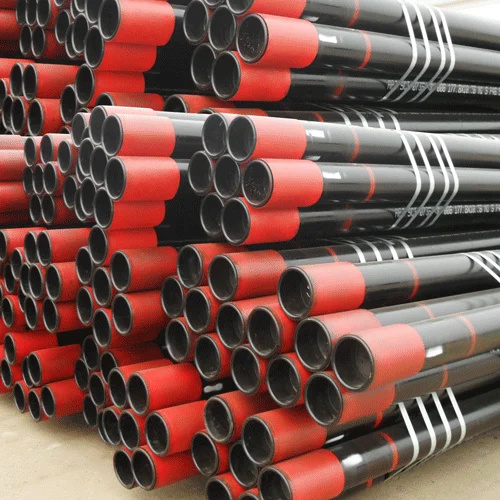
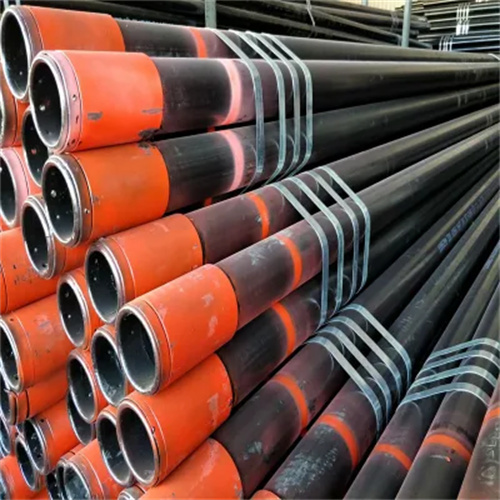
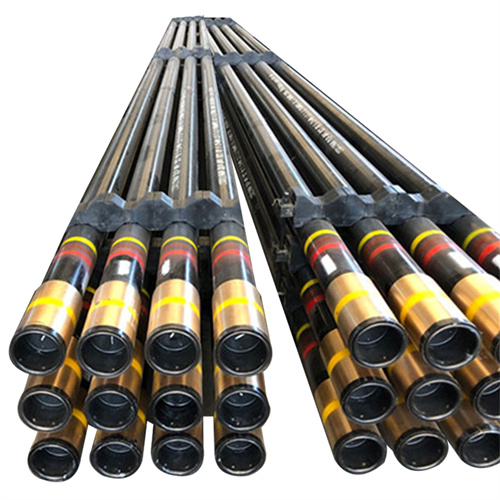
PETROLEUM Casing Pipe Best china CompanyIn conclusion, selecting the right pipe material is a critical decision that can impact the efficiency, safety, and longevity of industrial piping systems. By considering factors such as corrosion resistance, temperature and pressure limits, mechanical properties, chemical compatibility, and cost-effectiveness, engineers and project managers can choose the most suitable material for their specific application. Investing in high-quality pipe materials that meet the requirements of the project can ensure reliable performance and minimize maintenance costs over the lifespan of the piping system.