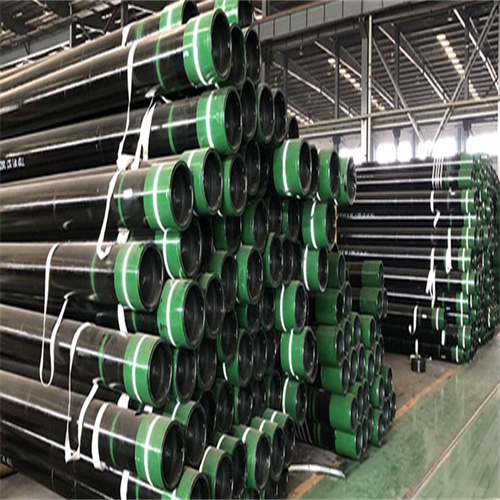
তেল নিষ্কাশনে গুণমানের তেল আবরণের গুরুত্ব বোঝা
তেল নিষ্কাশনের ক্ষেত্রে, মানসম্পন্ন তেলের আবরণের ভূমিকাকে বাড়াবাড়ি করা যায় না। তুরপুন প্রক্রিয়ার একটি গুরুত্বপূর্ণ উপাদান হিসাবে, তেল আবরণ একাধিক প্রয়োজনীয় ফাংশন পরিবেশন করে যা দক্ষ এবং নিরাপদ নিষ্কাশন ক্রিয়াকলাপ নিশ্চিত করে। এর গুরুত্ব বোঝার জন্য এর কাঠামোগত তাৎপর্য এবং কর্মক্ষম সুবিধাগুলি অনুসন্ধান করা প্রয়োজন। এই নলাকার টিউবটি কেবল কূপের অখণ্ডতা বজায় রাখে না তবে বোরহোলের দেয়ালের যে কোনও সম্ভাব্য পতনও প্রতিরোধ করে। এই কাঠামোগত সমর্থন অত্যন্ত গুরুত্বপূর্ণ, বিশেষ করে গভীর ড্রিলিং যেখানে ভূতাত্ত্বিক চাপ প্রচুর হতে পারে। কূপকে শক্তিশালী করার মাধ্যমে, গুণমানের তেলের আবরণ ড্রিলিংকে মসৃণ এবং নিরাপদে এগিয়ে যেতে সক্ষম করে, কাঠামোগত ব্যর্থতা বা পরিবেশগত বিপদের ঝুঁকি হ্রাস করে। এটি ডাউনহোল সরঞ্জাম যেমন পাম্প এবং প্যাকার স্থাপনের সুবিধা দেয়, যা জলাধার থেকে পৃষ্ঠে তেল এবং গ্যাসের প্রবাহ নিয়ন্ত্রণের জন্য অপরিহার্য। কেসিংটি তরল এবং গ্যাসের মিশ্রণ রোধ করতে বিভিন্ন ভূতাত্ত্বিক গঠনকেও বিচ্ছিন্ন করে, যা নিষ্কাশন প্রক্রিয়ার বিশুদ্ধতা এবং কার্যকারিতা নিশ্চিত করে। নিকৃষ্ট আবরণ সামগ্রী বা দুর্বল নির্মাণের কারণে ক্ষয়, যান্ত্রিক ব্যর্থতা বা এমনকি চাপে ভেঙে পড়তে পারে, যা পুরো ড্রিলিং অপারেশনকে বিপন্ন করে তোলে। অতএব, উচ্চ-মানের আবরণ সামগ্রীতে বিনিয়োগ করা যা ক্ষয় প্রতিরোধী এবং ড্রিলিং পরিবেশের কঠোর পরিস্থিতি সহ্য করতে পারে কূপের জীবনকাল এবং উত্পাদনশীলতা সর্বাধিক করার জন্য অত্যন্ত গুরুত্বপূর্ণ। নির্ভরযোগ্যতা জারা-প্রতিরোধী খাদ এবং উন্নত উত্পাদন প্রক্রিয়াগুলির মতো উদ্ভাবনগুলি আধুনিক তেলের আবরণের স্থায়িত্ব এবং কার্যকারিতাকে উল্লেখযোগ্যভাবে শক্তিশালী করেছে। এই উদ্ভাবনগুলি শুধুমাত্র কূপগুলির কার্যক্ষম জীবনকে প্রসারিত করে না বরং রক্ষণাবেক্ষণের প্রয়োজনীয়তা এবং পরিবেশগত প্রভাব হ্রাস করে টেকসই ড্রিলিং অনুশীলনে অবদান রাখে। এবং সম্প্রদায়গুলি ওয়েলবোরের চারপাশে একটি নিরাপদ সীল বজায় রাখার মাধ্যমে, কেসিং উদ্দিষ্ট নিষ্কাশন অঞ্চলের মধ্যে তরল এবং গ্যাস ধারণ করতে সাহায্য করে, পরিবেশ দূষণের ঝুঁকি কমিয়ে দেয়। এই কন্টেনমেন্ট ক্ষমতা প্রচলিত এবং অপ্রচলিত ড্রিলিং অপারেশন উভয় ক্ষেত্রেই অপরিহার্য, যেখানে কঠোর নিয়ন্ত্রক সম্মতি এবং পরিবেশগত দায়িত্ব সর্বাগ্রে৷ এর কাঠামোগত অখণ্ডতা, কর্মক্ষম সুবিধা এবং পরিবেশগত সুরক্ষাগুলি তুরপুন প্রক্রিয়ায় এটির অপরিহার্য ভূমিকাকে আন্ডারস্কোর করে। প্রযুক্তির অগ্রগতি এবং শিল্পের মান বিকশিত হওয়ার সাথে সাথে, উচ্চতর তেল আবরণ সামগ্রী এবং কৌশলগুলিতে বিনিয়োগের গুরুত্ব কেবল বাড়বে, ভবিষ্যতের জন্য টেকসই এবং উত্পাদনশীল তেল নিষ্কাশন অনুশীলনগুলি নিশ্চিত করবে৷
সর্বোত্তম তেল নিষ্কাশনের জন্য তেল আবরণ নির্বাচন করার সময় বিবেচনা করার মূল বিষয়গুলি
কেসিং সাইজ চার্ট
শেষে, কেসিং ডিজাইন এবং প্রযুক্তিতে চলমান অগ্রগতি তেল ও গ্যাস শিল্পে উদ্ভাবন চালিয়ে যাচ্ছে। কেসিং কর্মক্ষমতা উন্নত করতে, অপারেশনাল দক্ষতা বাড়াতে এবং পরিবেশগত ঝুঁকি কমাতে নতুন উপকরণ, উৎপাদন কৌশল এবং আবরণ ক্রমাগত বিকশিত হচ্ছে। , উত্পাদনের গুণমান, জারা প্রতিরোধ, সংযোগের ধরন, খরচ-কার্যকারিতা, এবং প্রযুক্তিগত অগ্রগতি। এই মূল বিষয়গুলিকে অগ্রাধিকার দিয়ে এবং সম্মানিত সরবরাহকারী এবং প্রস্তুতকারকদের কাছ থেকে বিশেষজ্ঞের নির্দেশনা লাভ করে, তেল ও গ্যাস অপারেটররা তেল উত্তোলন প্রক্রিয়া জুড়ে সর্বোত্তম কর্মক্ষমতা, দীর্ঘায়ু এবং পরিবেশগত স্টুয়ার্ডশিপ নিশ্চিত করতে পারে।
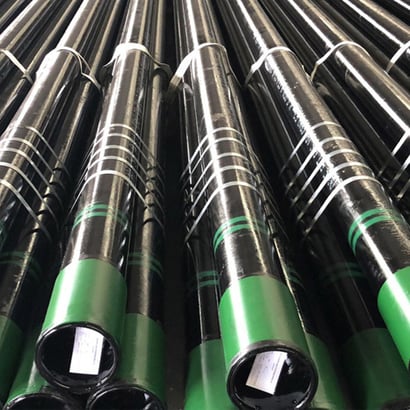
First and foremost, the Material composition of the Oil Casing is paramount. Typically, casings are made from Steel alloys that are selected based on their strength, Corrosion resistance, and ability to withstand high pressures and temperatures. Carbon steel and various grades of Stainless Steel are commonly used, with each offering distinct advantages depending on the specific conditions of the well.
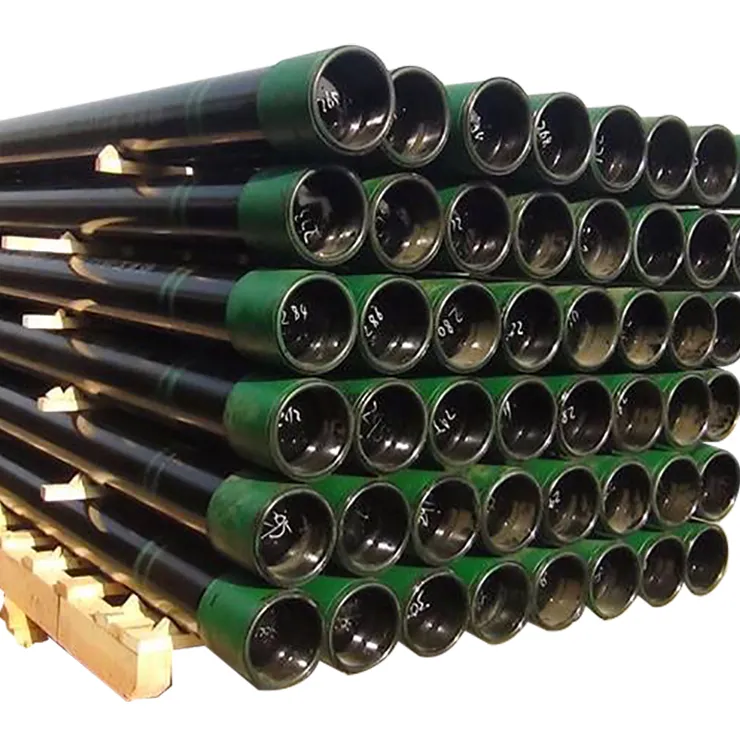
In addition to material selection, the dimensions and specifications of the oil casing must align with the well’s design and geological characteristics. Casing size, Wall thickness, and Connection type are critical parameters that influence the casing’s ability to withstand downhole pressures and maintain structural integrity over time. Proper sizing ensures that the casing can support the Weight of subsequent drilling operations and effectively isolate different geological formations.
Moreover, the manufacturing quality and standards adherence of the oil casing are non-negotiable aspects. Casing integrity is crucial for preventing leaks, blowouts, and environmental contamination. Therefore, sourcing casing from reputable Manufacturers who adhere to stringent quality control measures and industry standards is essential.
Another key consideration is the casing’s resistance to corrosion and degradation in harsh downhole environments. Corrosion can compromise the casing’s structural integrity and lead to costly Repairs or premature well abandonment. Coating technologies, such as epoxy coatings or corrosion-resistant alloys, enhance the casing’s durability and extend its service life in corrosive conditions.
Furthermore, the connection type of the casing joints influences ease of installation, Sealing efficiency, and overall well integrity. Threaded and coupled connections are common, with premium connections offering enhanced mechanical properties and improved sealing capabilities under extreme conditions. Properly sealed connections are critical for preventing fluid migration between Casing strings and maintaining wellbore stability.
 Beyond technical specifications, cost-effectiveness and sustainability are increasingly important considerations in the selection of oil casing. Balancing initial investment with long-term operational efficiency and environmental impact is crucial for maximizing return on investment and ensuring compliance with regulatory requirements.
Lastly, ongoing advancements in casing design and technology contiNue to drive innovation in the Oil and Gas industry. New materials, manufacturing techniques, and coatings are continuously being developed to improve casing performance, enhance operational efficiency, and mitigate environmental risks.
In conclusion, selecting the right oil casing is a multifaceted decision that requires careful consideration of material properties, dimensional specifications, manufacturing quality, corrosion resistance, connection type, cost-effectiveness, and technological advancements. By prioritizing these key factors and leveraging expert guidance from reputable Suppliers and manufacturers, oil and gas operators can ensure optimal performance, longevity, and environmental stewardship throughout the oil extraction process.