অয়েল কেসিং লিকেজের লক্ষণ সনাক্ত করা: কিসের জন্য নজর রাখবেন
তেল আবরণ ফাঁস প্রতিরোধ: সর্বোত্তম অভ্যাস এবং রক্ষণাবেক্ষণ টিপস
অলিভ অয়েল কেস
একটি কেসিং লিক সনাক্তকরণের ক্ষেত্রে, সম্ভাব্য পরিণতিগুলি প্রশমিত করার জন্য দ্রুত প্রতিকারমূলক পদক্ষেপগুলি অপরিহার্য৷ প্রতিকারমূলক সিমেন্টিং বা কেসিং প্যাচের মাধ্যমে কেসিংয়ের প্রভাবিত অংশকে বিচ্ছিন্ন করা ফাঁসকে ছড়িয়ে পড়া থেকে বাধা দেয় এবং উত্পাদন ডাউনটাইম কমিয়ে দেয়। উপরন্তু, মূল কারণগুলি সনাক্ত করার জন্য লিক-পরবর্তী বিশ্লেষণ পরিচালনা প্রতিরোধমূলক রক্ষণাবেক্ষণের কৌশলগুলিকে পরিমার্জিত করতে এবং ভবিষ্যতের কূপের জন্য কেসিং ডিজাইনকে উন্নত করতে সাহায্য করে। . ডাউনহোল মনিটরিং সিস্টেম এবং রিয়েল-টাইম ডেটা অ্যানালিটিক্সের উদ্ভাবনগুলি অপারেটরদের সক্রিয়ভাবে কেসিং অখণ্ডতা পরিচালনা করতে এবং উদীয়মান সমস্যাগুলির জন্য দ্রুত প্রতিক্রিয়া জানাতে সক্ষম করে৷ মান প্রতিরোধমূলক ব্যবস্থায় বিনিয়োগ করে এবং উন্নত প্রযুক্তির ব্যবহার করে, অপারেটররা ঝুঁকি কমাতে পারে, পরিবেশ রক্ষা করতে পারে এবং অপারেশনাল দক্ষতা বজায় রাখতে পারে। কেসিং ডিজাইন, উপকরণ এবং রক্ষণাবেক্ষণের অনুশীলনের ক্রমাগত উন্নতি তেল এবং গ্যাসের পরিবেশের চাহিদার ক্ষেত্রে তেল আবরণ সিস্টেমের নির্ভরযোগ্যতা এবং দীর্ঘায়ুকে আরও বাড়িয়ে তুলবে। প্রয়োজনীয়তা এবং স্টেকহোল্ডার প্রত্যাশা. কেসিং অখণ্ডতাকে অগ্রাধিকার দিয়ে, শিল্প তেল আবরণ ফাঁসের সাথে সম্পর্কিত ঝুঁকিগুলি হ্রাস করতে পারে এবং দায়িত্বশীল সম্পদ নিষ্কাশনের প্রতি তার প্রতিশ্রুতি বজায় রাখতে পারে৷
Heal Casing Leakage Horrors with This Oil Casing Maintenance Guide
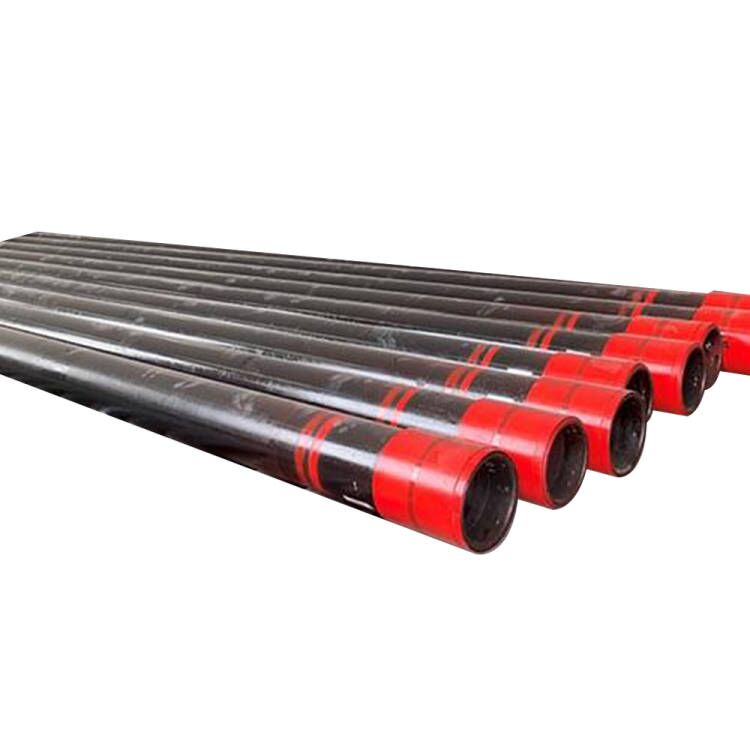
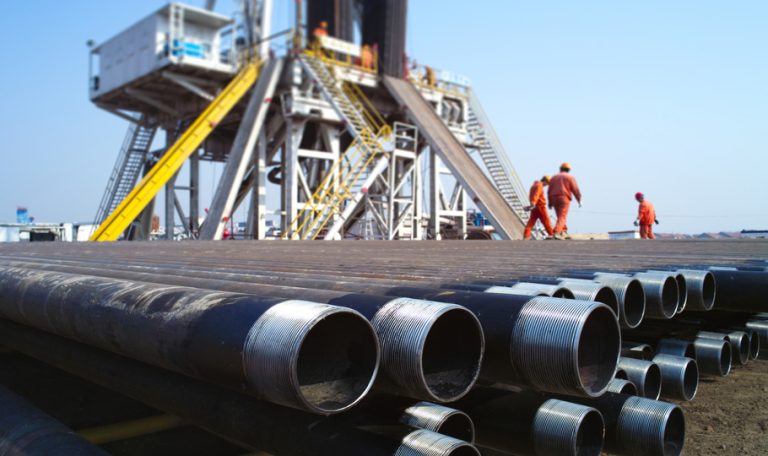
Oil casing leaks can lead to significant operational and environmental hazards in Oil and Gas production. Preventing these leaks requires rigorous adherence to best practices and proactive maintenance strategies. By understanding the causes of casing leaks and implementing effective maintenance protocols, operators can mitigate risks and ensure the integrity of their operations.
The integrity of oil casing, crucial for wellbore stability and environmental protection, can be compromised by various factors. Corrosion, mechanical damage during drilling or production operations, and improper installation are common causes of casing leaks. Corrosion, in particular, poses a persistent threat, accelerated by environmental conditions and the corrosiveness of produced fluids.
Regular inspection and monitoring are fundamental in identifying potential casing issues before they escalate into leaks. Visual inspections, supported by advanced technologies such as electromagnetic inspection tools and ultrasonic testing, enable early detection of corrosion spots, cracks, or improper Seals. These inspections should be conducted at critical stages of well life, including installation, workovers, and routine maintenance intervals.
Preventive maintenance starts with proper casing design and Material selection. Choosing corrosion-resistant alloys and adequately designing Casing strings to withstand downhole pressures and environmental conditions are crucial steps. Furthermore, ensuring proper installation techniques, such as correct centralization and Cementing practices, minimizes the risk of mechanical damage and poor sealing.
 Ongoing maintenance practices are essential to prolong the life of oil casing and prevent leaks. Regular cleaning to remove scale deposits and debris, particularly in corrosive environments, helps maintain casing integrity. Additionally, implementing corrosion inhibitors and coatings can provide an added layer of protection against corrosive substances present in produced fluids.
Effective casing leak prevention also hinges on well-trained personnel and adherence to industry standards and regulations. Training programs that educate operators on recognizing early signs of casing degradation and implementing corrective actions are vital. Compliance with regulations governing well Construction and integrity ensures that casing designs and maintenance practices meet industry standards for environmental and operational safety.
In the event of detecting a casing leak, prompt remedial actions are imperative to mitigate potential consequences. Isolating the affected section of the casing through remedial cementing or casing patches prevents leaks from spreading and minimizes production downtime. Additionally, conducting post-leak analysis to identify root causes helps refine preventive maintenance strategies and improve casing design for future wells.
Investing in advanced technologies for casing inspection and maintenance can yield long-term benefits by reducing the frequency and severity of casing leaks. innovations in downhole monitoring systems and real-time data analytics enable operators to proactively manage casing integrity and respond swiftly to emerging issues.
In conclusion, preventing oil casing leaks demands a comprehensive approach that encompasses robust design, diligent maintenance, and adherence to industry standards. By investing in preventive measures and leveraging advanced technologies, operators can minimize risks, protect the environment, and sustain operational efficiency. Continuous improvement in casing design, materials, and maintenance practices will further enhance the reliability and longevity of oil casing systems in demanding oil and gas environments.
Implementing these best practices not only safeguards against casing leakage horrors but also ensures sustainable operations that meet regulatory requirements and stakeholder expectations. By prioritizing casing integrity, the industry can mitigate risks associated with oil casing leaks and uphold its commitment to responsible resource extraction.