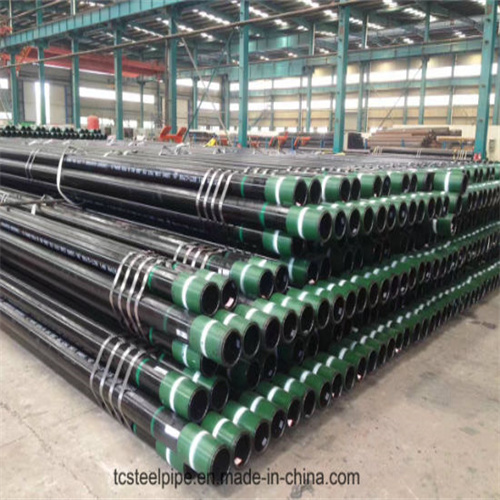
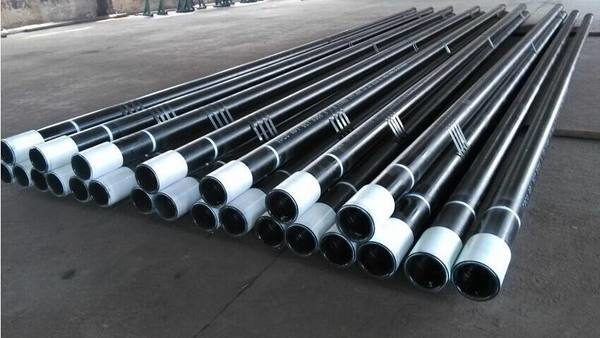
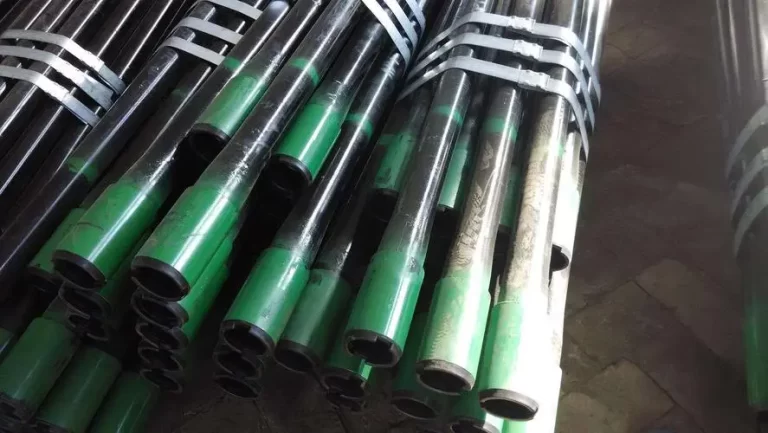
অনশোর তেলক্ষেত্রে তেল আবরণ প্রযুক্তির বিবর্তন
পাইপ
সামনের দিকে তাকিয়ে, তেল আবরণ প্রযুক্তির বিবর্তন অবিরাম অব্যাহত রয়েছে। গবেষণা প্রচেষ্টা পরিবেশ বান্ধব উপকরণ উন্নয়ন, কেসিং ইনস্টলেশন কৌশল উন্নত, এবং ব্যবহৃত Casings পুনর্ব্যবহারযোগ্যতা বাড়ানোর উপর দৃষ্টি নিবদ্ধ করা হয়। এই অগ্রগতিগুলি সম্পদ পুনরুদ্ধারের সর্বাধিক এবং পরিবেশগত প্রভাব হ্রাস করার দ্বৈত লক্ষ্য দ্বারা চালিত হয়, যা টেকসই উন্নয়নে শিল্পের প্রতিশ্রুতি প্রতিফলিত করে। দাবি নম্র সূচনা থেকে পরিশীলিত, উচ্চ-কার্যকারিতা কাঠামোতে, তেলের আবরণ আধুনিক তেল নিষ্কাশন প্রক্রিয়াগুলির একটি গুরুত্বপূর্ণ সক্ষমকারী হিসাবে বিকশিত হয়েছে। প্রযুক্তির অগ্রগতি এবং চ্যালেঞ্জগুলি বিকশিত হওয়ার সাথে সাথে, তেলের আবরণের ভূমিকা প্রসারিত হতে থাকবে, যা উপকূলীয় তেল ক্ষেত্রের ক্রিয়াকলাপগুলির ভবিষ্যতকে রূপ দেবে।
Over time, Steel casing underwent further refinements to enhance its performance. innovations in metallurgy led to the introduction of alloys and composite Materials, tailored to withstand specific geological conditions such as high pressures, corrosive environments, and thermal stresses. These advancements not only extended the lifespan of Oil Wells but also improved operational efficiency and safety.
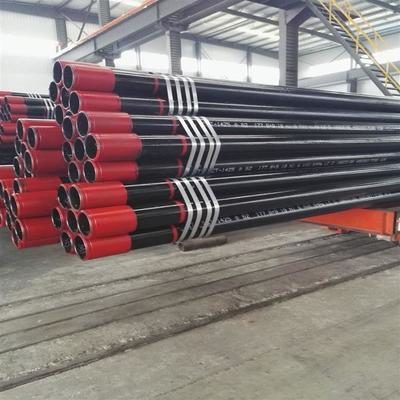 In addition to material improvements, the design and manufacturing processes of Oil Casing have evolved significantly. Computer-aided design (CAD) and simulation technologies have allowed for precise customization of casing dimensions and properties, optimizing their performance under diverse drilling conditions. This customization ensures that each casing is tailored to the unique challenges presented by different onshore oil fields.
The role of oil casing goes beyond structural support; it also plays a crucial role in environmental protection and well integrity. Modern casing designs incorporate features such as cement sheaths and multiple layers of protection to prevent leaks and groundwater contamination. These innovations are vital in meeting stringent regulatory requirements and ensuring sustainable oil extraction practices.
Furthermore, the integration of smart technologies in oil casing has opened new frontiers in monitoring and Maintenance. Sensors embedded within the casing can provide real-time data on well conditions, allowing operators to detect anomalies early and optimize production processes. This proactive approach not only reduces operational risks but also enhances the overall efficiency of onshore oil field operations.
Looking ahead, the evolution of oil casing technology contiNues unabated. Research efforts are focused on developing eco-friendly materials, improving casing installation techniques, and enhancing the recyclability of used casings. These advancements are driven by the dual goals of maximizing resource recovery and minimizing environmental impact, reflecting the industry’s commitment to sustainable development.
In conclusion, the evolution of oil casing technology in onshore oil fields has been characterized by continuous innovation and adaptation to changing demands. From humble beginnings to sophisticated, high-performance structures, oil casing has evolved into a critical enabler of modern oil extraction processes. As technology advances and challenges evolve, the role of oil casing will continue to expand, sh APIng the future of onshore oil field operations.