শিল্প অ্যাপ্লিকেশনে ASTM পাইপ ব্যবহারের সুবিধা
এছাড়াও, ASTM মানগুলি বিশ্বব্যাপী সরবরাহ শৃঙ্খলের মধ্যে সামঞ্জস্য এবং বিনিময়যোগ্যতা নিশ্চিত করে। বিশ্বব্যাপী প্রস্তুতকারক এবং ঠিকাদাররা সর্বজনীনভাবে স্বীকৃত মানের বেঞ্চমার্ক পূরণ করে এমন সামগ্রী সংগ্রহ করতে ASTM স্পেসিফিকেশনের উপর নির্ভর করে। এই প্রমিতকরণটি উপাদান এবং সিস্টেমের বিরামহীন একীকরণের সুবিধা দেয়, দক্ষতার প্রচার করে এবং প্রকল্পের সময় কমিয়ে দেয়।
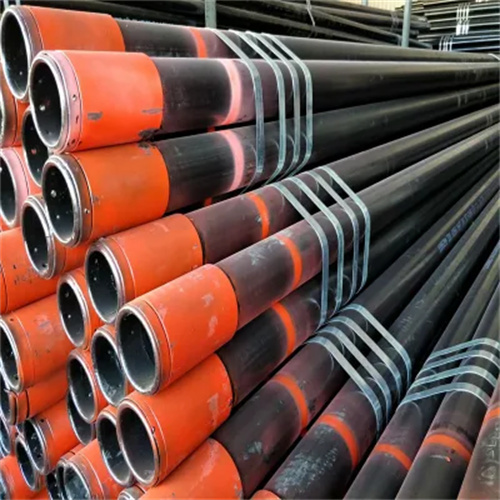
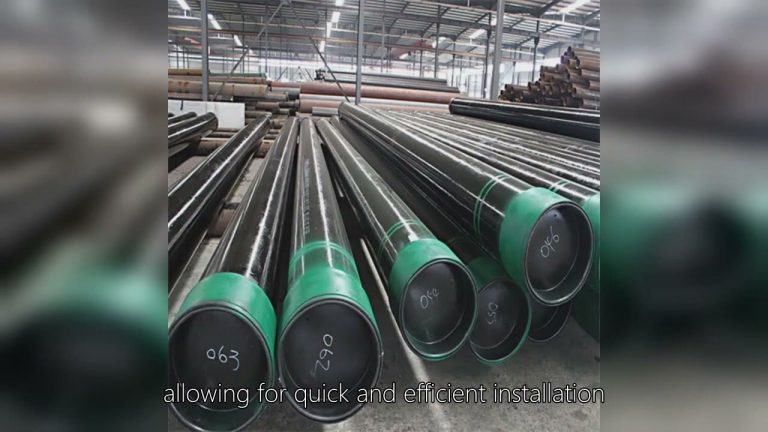
পেট্রোলিয়াম কেসিং পাইপ চাইনিজ সেরা কারখানা
নিয়ন্ত্রক সম্মতির পরিপ্রেক্ষিতে, ASTM মানগুলি একটি স্পষ্ট কাঠামো প্রদান করে যা শিল্পগুলিকে নিরাপত্তা এবং পরিবেশগত নিয়ম মেনে চলতে সাহায্য করে। ASTM স্পেসিফিকেশনগুলির সাথে সম্মতি হল কঠোর পরীক্ষার প্রোটোকল এবং গুণমানের নিশ্চয়তা ব্যবস্থার আনুগত্য, পণ্যের নির্ভরযোগ্যতা এবং পারফরম্যান্সের ধারাবাহিকতার স্টেকহোল্ডারদের আশ্বস্ত করা।
খরচ-কার্যকারিতা হল শিল্প অ্যাপ্লিকেশনগুলিতে ASTM পাইপের আরেকটি উল্লেখযোগ্য সুবিধা যদিও প্রাথমিক সংগ্রহের খরচ পরিবর্তিত হতে পারে, কম রক্ষণাবেক্ষণ, ডাউনটাইম এবং অপারেশনাল ব্যর্থতা থেকে প্রাপ্ত দীর্ঘমেয়াদী সঞ্চয়গুলি ASTM–সম্মত উপকরণগুলিতে বিনিয়োগকে ন্যায্যতা দেয়। অধিকন্তু, ASTM স্পেসিফিকেশনের প্রমিত প্রকৃতি ক্রয় প্রক্রিয়াগুলিকে সহজ করে, ব্যবসাগুলিকে ইনভেন্টরি ম্যানেজমেন্টকে অপ্টিমাইজ করতে এবং সাপ্লাই চেইন অপারেশনগুলিকে স্ট্রীমলাইন করতে সক্ষম করে৷ প্রতিকূল পরিস্থিতিতে শক্তিশালী উত্পাদন মান এবং স্থায়িত্ব থেকে শুরু করে বিশ্বব্যাপী সামঞ্জস্যতা এবং নিয়ন্ত্রক সম্মতি, ASTM স্পেসিফিকেশনগুলি নির্ভরযোগ্যতা, কর্মক্ষমতা এবং ব্যয়-কার্যকারিতার উদাহরণ দেয়। যেহেতু শিল্পগুলি উন্নত হয় এবং গুণমান এবং দক্ষতার উচ্চতর মানগুলির দাবি করে, ASTM সর্বাগ্রে থাকে, উদ্ভাবন চালায় এবং বেঞ্চমার্ক সেট করে যা শিল্প পাইপিং সিস্টেমে শ্রেষ্ঠত্বকে সংজ্ঞায়িত করে। নির্মাণ, শক্তি উৎপাদন, বা উৎপাদনে যাই হোক না কেন, ASTM-সঙ্গী পাইপ নির্বাচন করা আজকের গতিশীল শিল্প ল্যান্ডস্কেপে নিরাপত্তা, টেকসইতা এবং কর্মক্ষমতার প্রতি অঙ্গীকারকে বোঝায়।
এপিআই এবং এএসটিএম পাইপের মধ্যে মূল পার্থক্য
API মানগুলি প্রাথমিকভাবে তেল এবং গ্যাস শিল্পকে পূরণ করে, যেখানে পাইপগুলিকে অবশ্যই উচ্চ চাপ, ক্ষয় এবং বিভিন্ন তাপমাত্রার মতো কঠোর অবস্থা সহ্য করতে হবে। এই মানগুলি ঐক্যমতের মাধ্যমে বিকশিত হয় এবং বিশ্বব্যাপী ব্যাপকভাবে স্বীকৃত হয়, যা উপকরণ, মাত্রা, যান্ত্রিক বৈশিষ্ট্য এবং পরীক্ষার পদ্ধতির জন্য নির্দিষ্টকরণ প্রদান করে। এপিআই পাইপগুলি পেট্রোলিয়াম এবং প্রাকৃতিক গ্যাস নিষ্কাশন, পরিবহন, এবং প্রক্রিয়াকরণের জন্য গুরুত্বপূর্ণ নির্দিষ্ট কর্মক্ষমতা মানদণ্ড পূরণ করার জন্য ডিজাইন করা হয়েছে। , এবং অবকাঠামো। ASTM মানগুলি শিল্প, একাডেমিয়া এবং সরকারের স্টেকহোল্ডারদের জড়িত একটি ঐক্যমত্য-চালিত প্রক্রিয়ার মাধ্যমে তৈরি করা হয়। এই মানগুলি নিশ্চিত করে যে পাইপ সহ উপকরণগুলি বিভিন্ন অ্যাপ্লিকেশন জুড়ে সংজ্ঞায়িত গুণমান এবং কর্মক্ষমতা বেঞ্চমার্ক পূরণ করে, স্ট্রাকচারাল ইঞ্জিনিয়ারিং থেকে পরিবেশগত প্রযুক্তি।
API এবং ASTM পাইপের মধ্যে একটি মূল পার্থক্য তাদের ফোকাস এবং অ্যাপ্লিকেশন নির্দিষ্টতার মধ্যে নিহিত। এপিআই পাইপগুলি তেল এবং গ্যাস সেক্টরের চাহিদাপূর্ণ অপারেশনাল পরিবেশের উপর প্রাথমিক জোর দিয়ে ইঞ্জিনিয়ার করা হয়। অফশোর ড্রিলিং এবং পাইপলাইন ট্রান্সমিশনের মতো গুরুত্বপূর্ণ অ্যাপ্লিকেশনগুলিতে নির্ভরযোগ্যতা এবং নিরাপত্তা নিশ্চিত করার জন্য তারা চরম পরিস্থিতিতে কার্যকারিতা যাচাই করার জন্য কঠোর পরীক্ষার পদ্ধতির মধ্য দিয়ে যায়। , রাসায়নিক প্রক্রিয়াকরণ, এবং ইউটিলিটি. ASTM মানগুলি বিভিন্ন প্রয়োজনীয়তার সাথে মানানসই করা যেতে পারে এমন বিভিন্ন স্পেসিফিকেশন প্রদানের মাধ্যমে নমনীয়তা প্রদান করে, তা তরল পরিবহন, সমর্থনকারী কাঠামো বা পরিবেশগত নিয়ম মেনে চলার জন্যই হোক না কেন। এপিআই পাইপগুলি প্রায়শই এমন উপাদান ব্যবহার করে যা শক্তি, ক্ষয় প্রতিরোধের এবং জোড়যোগ্যতার উপর জোর দেয়, যা তেল এবং গ্যাস অপারেশনে প্রচলিত কঠোর পরিস্থিতি সহ্য করার জন্য গুরুত্বপূর্ণ। এই পাইপগুলি সুনির্দিষ্ট মাত্রিক সহনশীলতার জন্য তৈরি করা হয় এবং পারফরম্যান্সের সাথে আপস করতে পারে এমন ত্রুটিগুলি সনাক্ত করতে অ-ধ্বংসাত্মক পরীক্ষা (NDT) করা হয়। এগুলিতে অ্যালয়, স্টেইনলেস স্টিল এবং কার্বন স্টিল অন্তর্ভুক্ত থাকতে পারে, প্রতিটি যান্ত্রিক বৈশিষ্ট্য, রাসায়নিক প্রতিরোধের এবং ব্যয়-কার্যকারিতার মতো কারণগুলির উপর ভিত্তি করে নির্বাচিত। ASTM মানগুলি নির্দিষ্ট কর্মক্ষমতা প্রয়োজনীয়তা পূরণের জন্য উত্পাদন প্রক্রিয়া এবং গুণমান নিয়ন্ত্রণের ব্যবস্থাগুলি নির্দিষ্ট করে ধারাবাহিকতা এবং নির্ভরযোগ্যতা নিশ্চিত করে৷ API সার্টিফিকেশন কঠোর পরীক্ষা এবং পরিদর্শন প্রোটোকলের মাধ্যমে বৈধ করা কঠোর শিল্প মান মেনে চলার ইঙ্গিত দেয়। অপারেশনাল অখণ্ডতা এবং নিয়ন্ত্রক সম্মতি নিশ্চিত করার জন্য সমালোচনামূলক তেল ও গ্যাস অপারেশনে ব্যবহৃত পাইপের জন্য এই সার্টিফিকেশন প্রায়ই বাধ্যতামূলক। ASTM মানগুলির সাথে সম্মতি পণ্যের নির্ভরযোগ্যতা এবং উদ্দিষ্ট ব্যবহারের জন্য উপযুক্ততার বিষয়ে স্টেকহোল্ডারদের আশ্বস্ত করে, যা বিভিন্ন শিল্প খাতে সামগ্রিক নিরাপত্তা এবং কর্মক্ষমতাতে অবদান রাখে। পার্থক্যগুলি ফোকাস, অ্যাপ্লিকেশন নির্দিষ্টতা এবং শিল্পের প্রয়োজনীয়তার মধ্যে রয়েছে। এপিআই মানগুলি তেল এবং গ্যাস সেক্টরের চাহিদাপূর্ণ অবস্থার জন্য তৈরি করা হয়েছে, চরম পরিবেশের অধীনে কর্মক্ষমতার উপর জোর দেয়। বিপরীতে, ASTM মানগুলি একাধিক শিল্প জুড়ে বহুমুখীতা প্রদান করে, বিভিন্ন অ্যাপ্লিকেশনের চাহিদা মেটাতে উপকরণ এবং স্পেসিফিকেশনের বিস্তৃত পরিসর প্রদান করে। বিশ্বব্যাপী শিল্প অ্যাপ্লিকেশনগুলিতে দক্ষতা, স্থায়িত্ব এবং নিয়ন্ত্রক সম্মতি নিশ্চিত করার জন্য নির্দিষ্ট প্রকল্পের প্রয়োজনীয়তার সাথে সারিবদ্ধ পাইপগুলি নির্বাচন করার জন্য এই পার্থক্যগুলি বোঝা অপরিহার্য৷
In the realm of industrial piping, understanding the distinctions between API and ASTM standards is crucial for ensuring compliance, quality, and suitability for specific applications. Both API (American Petroleum Institute) and ASTM (American Society for Testing and Materials) establish standards that guide the manufacturing and use of Pipes across various industries. While they share similarities in ensuring safety and performance, each standard serves distinct purposes tailored to different sectors and requirements.
API standards primarily cater to the Oil and Gas industry, where pipes must withstand rigorous conditions such as high pressure, corrosion, and varying temperatures. These standards are developed through consensus and are widely recognized globally, providing specifications for materials, dimensions, mechanical properties, and testing procedures. API Pipes are designed to meet specific performance criteria crucial for the extraction, transport, and processing of petroleum and natural gas.
In contrast, ASTM standards encompass a broader spectrum, encompassing not only pipes but also various other materials used in Construction, manufacturing, and infrastructure. ASTM standards are developed through a consensus-driven process involving stakeholders from industry, academia, and government. These standards ensure that materials, including pipes, meet defined quality and performance benchmarks across diverse applications, from structural engineering to environmental technology.
One key Difference between API and ASTM pipes lies in their focus and application specificity. API pipes are engineered with a primary emphasis on the demanding operational environments of the oil and gas sector. They undergo stringent testing procedures to validate performance under extreme conditions, ensuring reliability and safety in critical applications such as offshore drilling and pipeline transmission.
On the other hand, ASTM pipes cater to a wider array of industries beyond oil and gas, including construction, chemical processing, and utilities. ASTM standards provide flexibility by offering a range of specifications that can be tailored to different requirements, whether it\’s for conveying fluids, supporting structures, or complying with environmental regulations.
Material composition and mechanical properties also distinguish API and ASTM pipes. API pipes often utilize materials that emphasize strength, Corrosion resistance, and weldability, crucial for withstanding harsh conditions prevalent in oil and gas operations. These pipes are manufactured to precise dimensional tolerances and undergo Non-destructive testing (NDT) to detect flaws that could compromise performance.
In comparison, ASTM pipes encompass a broader range of materials and configurations to accommodate various industrial and commercial applications. They may include alloys, Stainless Steels, and Carbon steels, each selected based on factors such as mechanical properties, chemical resistance, and cost-effectiveness. ASTM standards ensure consistency and reliability by specifying manufacturing processes and quality control measures to meet specific performance requirements.
Furthermore, certification and compliance play a significant role in distinguishing API and ASTM pipes. API certification signifies adherence to stringent industry standards validated through rigorous testing and inspection protocols. This certification is often mandatory for pipes used in critical oil and gas operations to ensure operational integrity and regulatory compliance.
ASTM certification, while equally rigorous, focuses on verifying that materials meet established quality and performance benchmarks across diverse applications. Compliance with ASTM standards reassures stakeholders of product reliability and suitability for intended uses, contributing to overall safety and performance in various industrial sectors.
In conclusion, while API and ASTM standards share the common goal of ensuring quality and safety in piping systems, their differences lie in focus, application specificity, and industry requirements. API standards are tailored for the demanding conditions of the oil and gas sector, emphasizing performance under extreme environments. In contrast, ASTM standards provide versatility across multiple industries, offering a broader range of materials and specifications to meet diverse application needs. Understanding these distinctions is essential for selecting pipes that align with specific project requirements, ensuring efficiency, durability, and regulatory compliance in industrial applications worldwide.