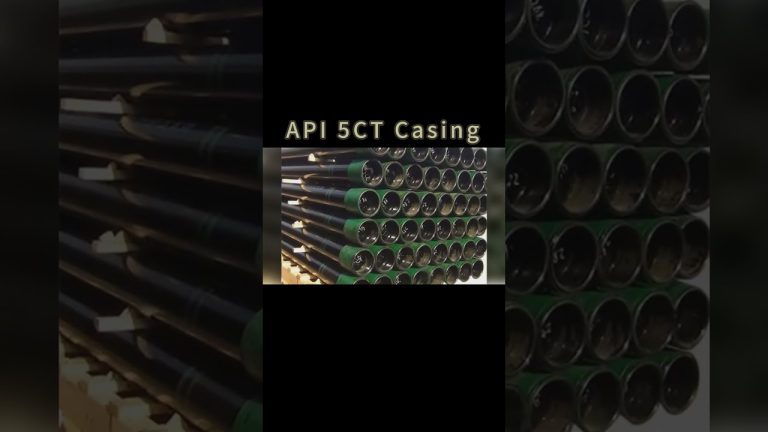
এপিআই পাইপের জন্য মান পরীক্ষা করা
এপিআই পাইপের পরীক্ষার প্রয়োজনীয়তা, যা আমেরিকান পেট্রোলিয়াম ইনস্টিটিউট (এপিআই) দ্বারা পরিচালিত হয়, তেল ও গ্যাস শিল্পে ব্যবহৃত পাইপের অখণ্ডতা, নিরাপত্তা এবং নির্ভরযোগ্যতা নিশ্চিত করার জন্য ডিজাইন করা হয়েছে। API মানগুলি পাইপের কার্যকারিতার বিভিন্ন দিকের উপর ফোকাস করে, যার মধ্যে যান্ত্রিক বৈশিষ্ট্য, জারা প্রতিরোধের এবং সামগ্রিক স্থায়িত্ব রয়েছে। API পাইপের প্রাথমিক মানগুলির মধ্যে একটি হল API 5L, যা তেল এবং গ্যাস পরিবহনে ব্যবহৃত লাইন পাইপের জন্য নির্দিষ্টকরণের রূপরেখা দেয়। এই স্ট্যান্ডার্ডটি পরীক্ষা করার জন্য কঠোর পরীক্ষার গুরুত্বের উপর জোর দেয় যে পাইপগুলি পরিসেবাতে যে চাহিদার সম্মুখীন হবে তা সহ্য করতে পারে৷
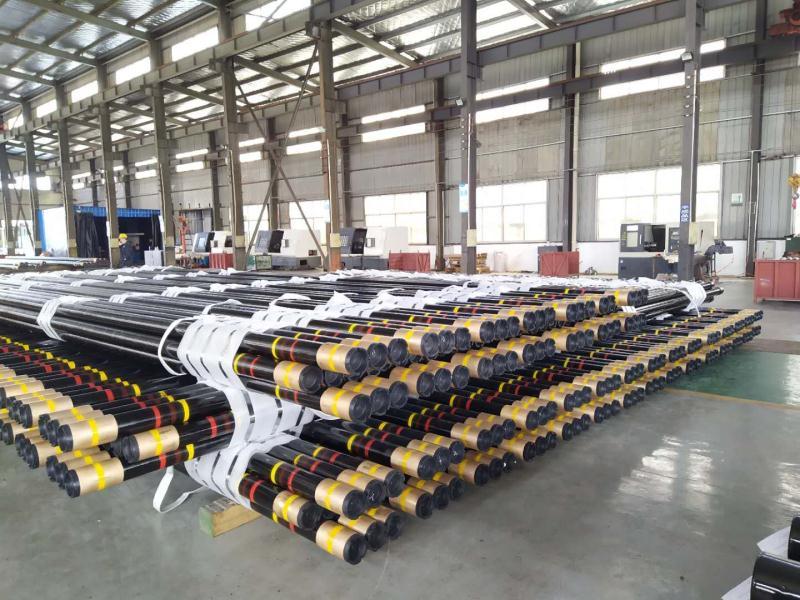
ইস্পাত টিউব চীনা সেরা রপ্তানিকারক
 ASTM পাইপগুলির জন্য পরীক্ষার মান
পরীক্ষার প্রয়োজনীয়তার মূল পার্থক্য
এপিআই (আমেরিকান পেট্রোলিয়াম ইনস্টিটিউট) এবং এএসটিএম (আমেরিকান সোসাইটি ফর টেস্টিং অ্যান্ড মেটেরিয়ালস) পাইপের জন্য পরীক্ষার প্রয়োজনীয়তাগুলি এই উপকরণগুলিকে নিয়ন্ত্রণ করে এমন গুণমান এবং কর্মক্ষমতা মানগুলি বোঝার জন্য অপরিহার্য৷ যদিও উভয় সংস্থার লক্ষ্য তাদের নিজ নিজ অ্যাপ্লিকেশনে নিরাপত্তা এবং নির্ভরযোগ্যতা নিশ্চিত করা, তারা যে নির্দিষ্ট পরীক্ষার প্রোটোকল এবং মানদণ্ড নিয়োগ করে তা উল্লেখযোগ্যভাবে আলাদা হতে পারে। এপিআই প্রাথমিকভাবে তেল এবং গ্যাস শিল্পের উপর দৃষ্টি নিবদ্ধ করে, এমন মান স্থাপন করে যা এই সেক্টরে সম্মুখীন হওয়া অনন্য চ্যালেঞ্জগুলি পূরণ করে। বিপরীতে, ASTM নির্মাণ, উৎপাদন, এবং পরিবহন সহ বিভিন্ন উপকরণ এবং শিল্পের জন্য প্রযোজ্য মানগুলির একটি বিস্তৃত পরিসর প্রদান করে। এপিআই স্ট্যান্ডার্ডগুলি প্রায়ই এমন পরিস্থিতিতে কঠোর পরীক্ষার প্রয়োজনীয়তার উপর জোর দেয় যা বাস্তব-বিশ্বের কর্মক্ষম পরিবেশের অনুকরণ করে। উদাহরণস্বরূপ, এপিআই স্পেসিফিকেশনগুলির জন্য হাইড্রোস্ট্যাটিক পরীক্ষার প্রয়োজন হতে পারে, যার মধ্যে কোনো সম্ভাব্য লিক বা দুর্বলতা সনাক্ত করতে উচ্চ-চাপের জলে পাইপগুলি সাবজেক্ট করা জড়িত। পাইপগুলি তেল এবং গ্যাস উত্তোলন এবং পরিবহনে চরম চাপ সহ্য করতে পারে তা নিশ্চিত করার জন্য এই ধরণের পরীক্ষা অত্যন্ত গুরুত্বপূর্ণ। অন্যদিকে, এএসটিএম স্ট্যান্ডার্ডে বিভিন্ন ধরনের পরীক্ষা অন্তর্ভুক্ত থাকতে পারে, যেমন প্রসার্য শক্তি, প্রভাব প্রতিরোধ ক্ষমতা এবং জারা প্রতিরোধ, যা বিভিন্ন অ্যাপ্লিকেশন জুড়ে পাইপের সামগ্রিক স্থায়িত্ব এবং কর্মক্ষমতা মূল্যায়নের জন্য অপরিহার্য। পরীক্ষার ফলাফলের জন্য API এবং ASTM এর মধ্যেও পরিবর্তিত হতে পারে। এপিআই স্ট্যান্ডার্ডগুলি সাধারণত নির্দিষ্ট কর্মক্ষমতা থ্রেশহোল্ড সেট করে যা একটি পাইপকে সমালোচনামূলক অ্যাপ্লিকেশনগুলিতে ব্যবহারের জন্য গ্রহণযোগ্য বলে গণ্য করার জন্য অবশ্যই পূরণ করতে হবে। এই থ্রেশহোল্ডগুলি প্রায়শই বিস্তৃত শিল্প অভিজ্ঞতা এবং ঐতিহাসিক তথ্যের উপর ভিত্তি করে তৈরি করা হয়, যা তেল ও গ্যাসের ক্রিয়াকলাপের সাথে জড়িত উচ্চ অংশকে প্রতিফলিত করে। বিপরীতভাবে, ASTM মানগুলি একটি আরও নমনীয় ফ্রেমওয়ার্ক প্রদান করতে পারে, যা পাইপের উদ্দিষ্ট প্রয়োগের উপর নির্ভর করে গ্রহণযোগ্য কর্মক্ষমতা স্তরের একটি পরিসরের জন্য অনুমতি দেয়। এই নমনীয়তা সেই শিল্পগুলিতে উপকারী হতে পারে যেখানে বিভিন্ন শর্ত এবং প্রয়োজনীয়তা বিদ্যমান, তবে এটি গুণমানের নিশ্চয়তার ক্ষেত্রে অসঙ্গতির দিকে নিয়ে যেতে পারে। API এর জন্য প্রস্তুতকারকদের পরীক্ষার পদ্ধতি এবং ফলাফলের বিস্তারিত রেকর্ড বজায় রাখতে হবে, যা নিয়ন্ত্রক সংস্থা এবং ক্লায়েন্টদের দ্বারা পরিদর্শনের জন্য উপলব্ধ করা আবশ্যক। এই স্তরের স্বচ্ছতা তেল ও গ্যাস সেক্টরে অত্যাবশ্যক, যেখানে নিরাপত্তা বিধি মেনে চলাই সর্বাগ্রে। বিপরীতে, ASTM একই কঠোর ডকুমেন্টেশন প্রয়োজনীয়তা আরোপ করতে পারে না, একটি আরো সুগমিত শংসাপত্র প্রক্রিয়ার জন্য অনুমতি দেয়। যাইহোক, এর ফলে কম তত্ত্বাবধান হতে পারে, সম্ভাব্যভাবে নির্মাতাদের মধ্যে গুণমানের নিশ্চয়তা অনুশীলনে তারতম্য ঘটতে পারে। এপিআই পাইপগুলি প্রায়শই উচ্চ-চাপের পরিবেশের জন্য ডিজাইন করা হয়, চরম পরিস্থিতিতে নির্ভরযোগ্যতা নিশ্চিত করার জন্য আরও ব্যাপক পরীক্ষার প্রয়োজন। বিপরীতে, ASTM পাইপগুলি আবাসিক প্লাম্বিং থেকে শুরু করে শিল্প প্রক্রিয়া পর্যন্ত বিস্তৃত অ্যাপ্লিকেশনে ব্যবহার করা যেতে পারে, যা নির্দিষ্ট ব্যবহারের ক্ষেত্রে উপযোগী পরীক্ষার প্রোটোকলের আরও বৈচিত্র্যময় সেট তৈরি করতে পারে।
উপসংহারে, যখন API এবং ASTM উভয়ই সরবরাহ করে পাইপ পরীক্ষার জন্য প্রয়োজনীয় মান, তাদের পদ্ধতিগুলি তাদের নিজ নিজ শিল্পের অনন্য চাহিদা প্রতিফলিত করে। পরীক্ষার ধরন, গ্রহণযোগ্যতার মানদণ্ড, ডকুমেন্টেশন প্রক্রিয়া এবং অ্যাপ্লিকেশন স্কোপের পার্থক্যগুলি নির্দিষ্ট প্রকল্পগুলির জন্য পাইপ নির্বাচন করার সময় এই মানগুলি বোঝার গুরুত্ব তুলে ধরে। এই পার্থক্যগুলিকে স্বীকৃতি দিয়ে, প্রকৌশলী এবং নির্মাতারা তাদের পাইপিং সিস্টেমের নিরাপত্তা, নির্ভরযোগ্যতা এবং কর্মক্ষমতা নিশ্চিত করে এমন জ্ঞাত সিদ্ধান্ত নিতে পারে।
In summary, while both ASTM and API Pipes undergo rigorous testing to ensure their quality and performance, the specific requirements and focus areas differ significantly. ASTM standards prioritize mechanical properties and general Material integrity, making them suitable for a wide range of applications. In contrast, API standards are tailored to address the unique challenges of the Oil and Gas industry, emphasizing Corrosion resistance, Non-destructive testing, and stringent certification processes. Understanding these Differences is essential for Manufacturers and engineers when selecting the appropriate Pipes for their specific applications, ensuring both safety and reliability in their operations.
Key Differences in Testing Requirements
The testing requirements for API (American Petroleum Institute) and ASTM (American Society for Testing and Materials) pipes are essential to understanding the quality and performance standards that govern these materials. While both organizations aim to ensure safety and reliability in their respective applications, the specific testing protocols and criteria they employ can differ significantly. API primarily focuses on the oil and gas industry, establishing standards that cater to the unique challenges faced in this sector. In contrast, ASTM provides a broader range of standards applicable to various materials and industries, including Construction, manufacturing, and transportation.
One of the key differences in testing requirements lies in the types of tests mandated by each organization. API standards often emphasize the need for rigorous testing under conditions that simulate real-world operational environments. For instance, API specifications may require Hydrostatic testing, which involves subjecting pipes to high-pressure water to identify any potential leaks or weaknesses. This type of testing is crucial for ensuring that pipes can withstand the extreme pressures encountered in oil and gas extraction and transportation. On the other hand, ASTM standards may include a wider variety of tests, such as tensile strength, impact resistance, and corrosion resistance, which are essential for assessing the overall durability and performance of pipes across different applications.
Moreover, the acceptance criteria for test results can also vary between API and ASTM. API standards typically set forth specific performance thresholds that must be met for a pipe to be deemed acceptable for use in critical applications. These thresholds are often based on extensive industry experience and historical data, reflecting the high stakes involved in oil and gas operations. Conversely, ASTM standards may provide a more flexible framework, allowing for a range of acceptable performance levels depending on the intended application of the pipe. This flexibility can be beneficial in industries where varying conditions and requirements exist, but it may also lead to inconsistencies in quality assurance.
Another important distinction is the documentation and certification processes associated with testing. API requires manufacturers to maintain detailed records of testing procedures and results, which must be made available for inspection by regulatory bodies and clients. This level of transparency is vital in the oil and gas sector, where compliance with safety regulations is paramount. In contrast, ASTM may not impose the same stringent documentation requirements, allowing for a more streamlined certification process. However, this can result in less oversight, potentially leading to variations in quality assurance practices among manufacturers.
Furthermore, the scope of application for API and ASTM pipes can influence testing requirements. API pipes are often designed for high-stress environments, necessitating more comprehensive testing to ensure reliability under extreme conditions. In contrast, ASTM pipes may be used in a wider range of applications, from residential plumbing to industrial processes, which can lead to a more diverse set of testing protocols tailored to specific use cases.
In conclusion, while both API and ASTM provide essential standards for pipe testing, their approaches reflect the unique demands of their respective industries. The differences in testing types, acceptance criteria, documentation processes, and application scopes highlight the importance of understanding these standards when selecting pipes for specific projects. By recognizing these distinctions, engineers and manufacturers can make informed decisions that ensure the safety, reliability, and performance of their piping systems.