চরম পরিবেশে তেলের আবরণ ব্যবহারের সুবিধা
টেকনোলজি বিহাইন্ড অয়েল কেসিং এর রেজিলিয়েন্স টু স্ট্রেনস
কেস স্টাডিজ: চরম অবস্থায় তেলের আবরণের সফল প্রয়োগ
চরম পরিবেশে, যেমন অফশোর ড্রিলিং সাইট বা উচ্চ-চাপের তেল কূপ, তেলের আবরণের অখণ্ডতা এবং স্থায়িত্ব সর্বাপেক্ষা গুরুত্বপূর্ণ। আবরণ কাঠামোগত সমর্থন, চাপ নিয়ন্ত্রণ, এবং জারা বিরুদ্ধে সুরক্ষা সহ একাধিক ফাংশন পরিবেশন করে। এই ফাংশনগুলি বিশেষ করে এমন পরিবেশে গুরুত্বপূর্ণ যেখানে প্রাকৃতিক উপাদান এবং অপারেশনাল স্ট্রেস প্রচলিত উপকরণের অখণ্ডতার সাথে আপস করতে পারে। সিআরএগুলি বিশেষভাবে ক্ষয়কারী পরিবেশ সহ্য করার জন্য ইঞ্জিনিয়ার করা হয়, যেমন গভীর-সমুদ্র ড্রিলিং বা টক গ্যাসের জলাধারে পাওয়া যায়। CRAs ব্যবহার করে, অপারেটররা তেল কূপের আয়ু বাড়াতে পারে এবং রক্ষণাবেক্ষণ খরচ উল্লেখযোগ্যভাবে কমাতে পারে। ক্রোমিয়াম এবং নিকেলের মত ট্রানজিশন ধাতুগুলি ক্ষয়ের বিরুদ্ধে খাদ প্রতিরোধ ক্ষমতা বাড়ায়, এটি চরম পরিস্থিতিতে দীর্ঘমেয়াদী কর্মক্ষমতার জন্য একটি আদর্শ পছন্দ করে তোলে। বিস্তৃত তাপমাত্রার তারতম্য সহ। কেসিং তার কাঠামোগত অখণ্ডতার সাথে আপস না করে এই তাপীয় চাপ সহ্য করতে পারে তা নিশ্চিত করার জন্য ইঞ্জিনিয়াররা সাবধানে উপকরণ এবং মাত্রা নির্বাচন করেন। এই সক্রিয় পদ্ধতিটি ফাঁস এবং ব্যর্থতা প্রতিরোধ করতে সাহায্য করে যা অন্যথায় ব্যয়বহুল ডাউনটাইম এবং পরিবেশগত বিপদের কারণ হতে পারে। উচ্চ-শক্তির ইস্পাত এবং সংকর ধাতুগুলি প্রায়শই সমুদ্রের গভীরতার দ্বারা প্রবাহিত বিশাল চাপ সহ্য করার জন্য নিযুক্ত করা হয় এবং দীর্ঘ সময় ধরে সমুদ্রের জলের ক্ষয়কারী প্রভাবকে প্রতিরোধ করে। এই উপকরণগুলির সাফল্য কেবল তাদের যান্ত্রিক বৈশিষ্ট্যের মধ্যেই নয় বরং কঠোর পরিবেশগত কারণগুলির ক্রমাগত এক্সপোজারের অধীনে কার্যকারিতা বজায় রাখার ক্ষমতার মধ্যেও রয়েছে। চরম পরিবেশে তেল আবরণ। এই প্রক্রিয়াগুলি নিশ্চিত করে যে কেসিং উপাদানগুলি সঠিক স্পেসিফিকেশনের জন্য তৈরি করা হয়েছে, ত্রুটিগুলি হ্রাস করা এবং সামগ্রিক কর্মক্ষমতা বৃদ্ধি করা। অতিরিক্তভাবে, নন-ডিস্ট্রাকটিভ টেস্টিং এবং কোয়ালিটি কন্ট্রোল চেক সহ কঠোর পরীক্ষার পদ্ধতি, স্থাপনার আগে প্রতিটি কেসিং সেগমেন্টের অখণ্ডতা যাচাই করার জন্য নিযুক্ত করা হয়। অপ্রচলিত জলাধারগুলিতে, যেমন শেল গঠন, তেল এবং গ্যাস নিষ্কাশনকে অপ্টিমাইজ করার জন্য বিশেষ কেসিং ডিজাইন ব্যবহার করা হয়। অনুভূমিক ড্রিলিং কৌশল, উন্নত কেসিং কনফিগারেশনের সাথে মিলিত, অপারেটরদের পূর্বের দুর্গম মজুদগুলিকে অধিকতর দক্ষতা এবং ন্যূনতম পরিবেশগত প্রভাবের সাথে অ্যাক্সেস করার অনুমতি দেয়। এবং কঠোর উত্পাদন মান. এই প্রযুক্তিগত অগ্রগতিগুলিকে কাজে লাগিয়ে, পেট্রোলিয়াম শিল্প বিশ্বের সবচেয়ে চ্যালেঞ্জিং পরিস্থিতিতে টেকসই শক্তি নিষ্কাশন নিশ্চিত করে অন্বেষণ এবং উৎপাদনের সীমানাকে এগিয়ে নিয়ে চলেছে৷ শক্তির সম্পদের চাহিদা বাড়ার সাথে সাথে নির্ভরযোগ্য এবং স্থিতিস্থাপক তেল আবরণ সমাধানের গুরুত্বও বৃদ্ধি পায় যা আপোষ ছাড়াই চরম পরিবেশের কঠোরতাকে প্রতিরোধ করতে পারে।
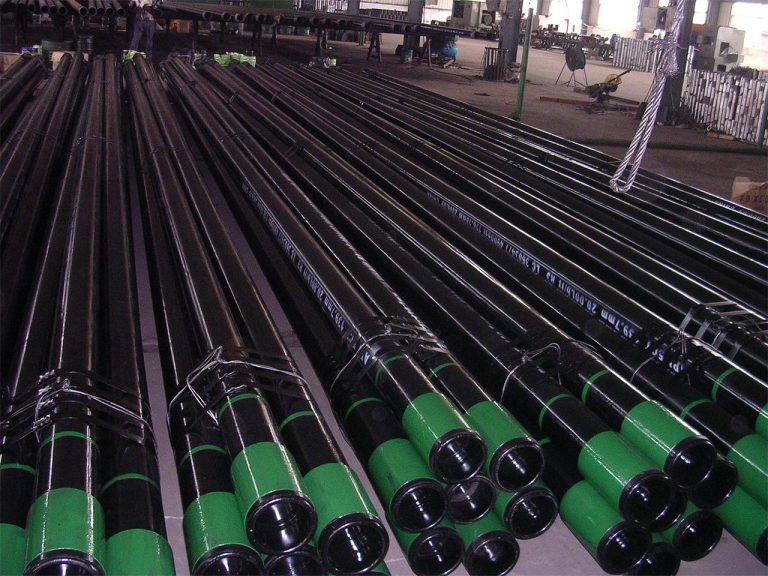
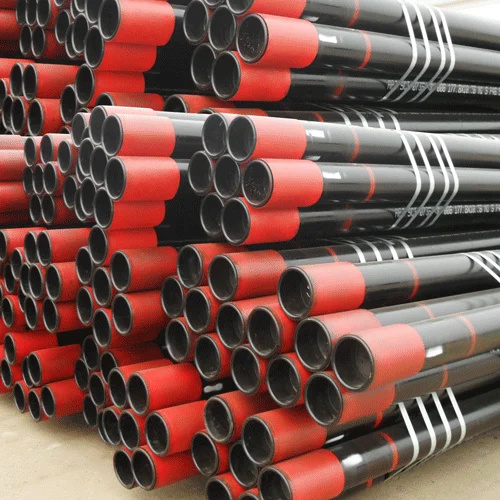
Oil Casing plays a pivotal role in the extraction of Oil and Gas from the Earth’s depths, enduring extreme environmental conditions with remarkable resilience. At the heart of this resilience lies advanced engineering and Material science, meticulously designed to withstand immense strains.
In the harsh environments of oil fields, where temperatures can fluctuate drastically and pressures reach staggering levels, oil casing serves as a critical barrier. Its primary function is to ensure the integrity of the wellbore, preventing collapses and leaks that could compromise safety and efficiency. This task is particularly demanding in deepwater drilling or high-pressure reservoirs, where the casing must endure not only the Weight of the overlying rock but also the forces generated during drilling and extraction.
To achieve this durability, oil casing is typically made from high-strength Steel alloys. These alloys are cHosen for their exceptional mechanical properties, including high tensile strength and toughness. Transitional phrases such as “Furthermore” and “In addition” aid in guiding the reader from one concept to the next.
Furthermore, the manufacturing process itself is crucial in enhancing the casing’s resilience. Advanced techniques such as seamless Pipe manufacturing and heat treatment ensure uniformity and strength throughout the casing’s Length. Seamless Pipes are preferred because they lack weld seams, which can be vulnerable points under stress. Heat treatment processes like quenching and tempering improve the steel’s hardness and toughness, enabling it to withstand the demanding conditions encountered in Oil Wells.
Moreover, the design of the casing is optimized to distribute stresses effectively. Engineers calculate the appropriate Wall thickness and Diameter to bear the anticipated loads without deformation or failure. Computer simulations and modeling play a vital role in this optimization process, allowing for virtual testing of different casing designs under various scenarios.
In addition to mechanical strength, Corrosion resistance is another critical consideration in oil casing design. Oil wells often contain corrosive fluids that can degrade unprotected steel over time. To combat this, casings are coated with corrosion-resistant materials or alloys. These coatings act as a barrier against corrosive elements, extending the service life of the casing and reducing Maintenance costs over the well’s operational lifetime.
In conclusion, the resilience of oil casing in extreme environments is a testament to the synergy between advanced materials, precise engineering, and rigorous testing. By harnessing the strength of high-strength steel alloys, optimizing design parameters, and incorporating corrosion-resistant coatings, oil Companies ensure the reliability and safety of their operations. As technology advances further, ongoing research contiNues to refine and innovate oil casing designs, pushing the boundaries of what is possible in the extraction of hydrocarbon resources from challenging environments.
The next frontier lies in enhancing the environmental sustainability of oil and gas operations, with ongoing efforts focused on minimizing the ecological footprint of drilling activities. Through continuous improvement and innovation, oil casing technology remains pivotal in supporting global energy needs while mitigating its impact on the planet.
Case Studies: Successful Applications of Oil Casing in Extreme Conditions
Oil casing plays a crucial role in the Petroleum Industry, particularly in extreme environments where conditions are harsh and demanding. These environments pose significant challenges, ranging from extreme temperatures to corrosive substances, necessitating robust materials and design considerations. One such innovative solution that has proven effective in mitigating these challenges is advanced oil casing technology.
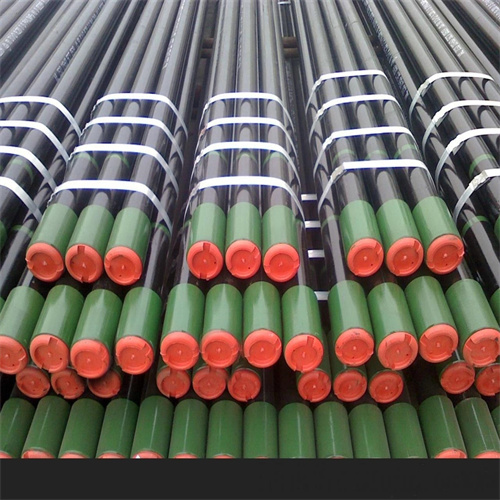 In extreme environments, such as offshore drilling sites or high-pressure oil wells, the integrity and durability of oil casing are paramount. The casing serves multiple functions, including structural support, pressure containment, and protection against corrosion. These functions are especially critical in environments where natural elements and operational stresses can compromise the integrity of conventional materials.
One notable example of successful application is the use of corrosion-resistant alloys (CRAs) in oil casing. CRAs are specifically engineered to withstand corrosive environments, such as those found in deep-sea drilling or sour gas reservoirs. By using CRAs, operators can extend the lifespan of oil wells and reduce maintenance costs significantly. Transition metals like chromium and nickel enhance the alloy’s resistance to corrosion, making it an ideal choice for long-term performance in extreme conditions.
Moreover, the design of oil casing takes into account thermal expansion and contraction, which can be substantial in environments with wide temperature variations. Engineers carefully select materials and dimensions to ensure that the casing can withstand these thermal stresses without compromising its structural integrity. This proactive approach helps to prevent leaks and failures that could otherwise lead to costly downtime and environmental hazards.
In offshore drilling, where installations are exposed to saltwater and fluctuating pressures, the choice of materials for oil casing becomes even more critical. High-strength steels and alloys are often employed to withstand the immense pressures exerted by ocean depths while resisting the corrosive effects of seawater over extended periods. The success of these materials lies not only in their mechanical properties but also in their ability to maintain functionality under continuous exposure to harsh environmental factors.
Furthermore, advancements in manufacturing processes, such as precision machining and welding techniques, contribute to the reliability of oil casing in extreme environments. These processes ensure that the casing components are fabricated to exact specifications, minimizing defects and enhancing overall performance. Additionally, rigorous testing procedures, including Non-destructive testing and quality control checks, are employed to verify the integrity of each casing segment before deployment.
The application of oil casing in extreme environments extends beyond conventional drilling operations. In unconventional reservoirs, such as shale formations, specialized casing designs are utilized to optimize oil and gas extraction. Horizontal drilling techniques, combined with advanced casing configurations, allow operators to access previously inaccessible reserves with greater efficiency and minimal environmental impact.
Overall, the effectiveness of oil casing in soothing the strains of extreme environments lies in its robust materials, innovative design, and rigorous manufacturing standards. By leveraging these technological advancements, the petroleum industry continues to push the boundaries of exploration and production, ensuring sustainable energy extraction in some of the world’s most challenging conditions. As demands for energy resources grow, so too does the importance of reliable and resilient oil casing solutions that can withstand the rigors of extreme environments without compromise.