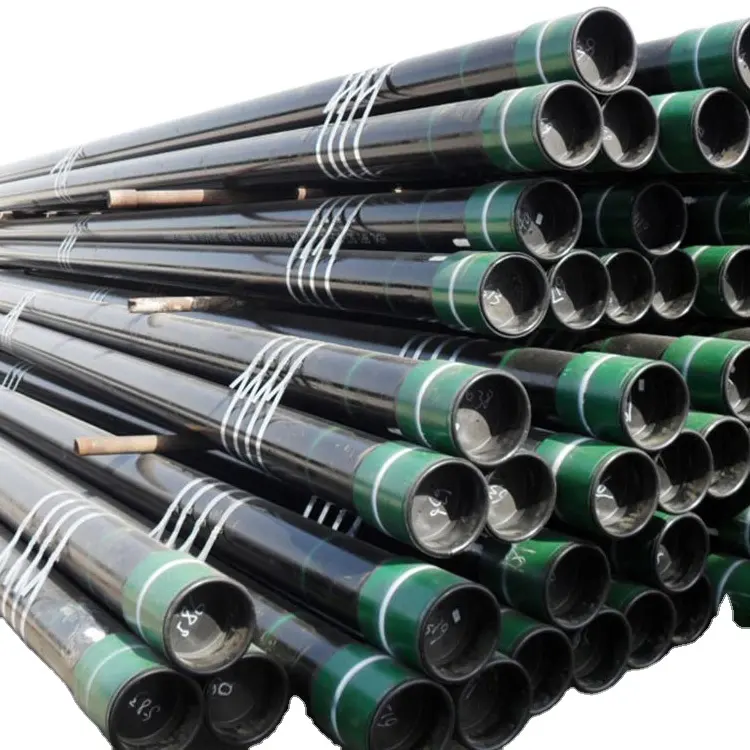
তেল আবরণ উত্পাদন মানের জন্য পরিদর্শন কৌশল
তেল আবরণের স্থায়িত্ব মূল্যায়নের মূল পরামিতি
মাত্রিক নির্ভুলতা কেসিং গুণমান মূল্যায়নের আরেকটি গুরুত্বপূর্ণ প্যারামিটার। ডাউনহোল সরঞ্জাম এবং সরঞ্জামের সাথে সামঞ্জস্য নিশ্চিত করতে সুনির্দিষ্ট বাইরের ব্যাস (OD) এবং প্রাচীর বেধ পরিমাপ অপরিহার্য। মাত্রার তারতম্যগুলি কেসিংয়ের যান্ত্রিক চাপ সহ্য করার ক্ষমতাকে প্রভাবিত করতে পারে এবং ওয়েলবোরের অখণ্ডতার সাথে আপস করতে পারে, যার ফলে অপারেশনাল অদক্ষতা বা এমনকি ব্যর্থতার দিকে পরিচালিত করতে পারে৷ থ্রেডযুক্ত সংযোগগুলি কেসিং স্ট্রিংগুলির সমাবেশকে সহজতর করে এবং তরল ফুটো এবং যান্ত্রিক ব্যর্থতার বিরুদ্ধে প্রাথমিক বাধা হিসাবে কাজ করে। টর্ক যাচাইকরণ এবং থ্রেড গেজিং সহ পুঙ্খানুপুঙ্খ পরিদর্শন প্রোটোকলগুলি অপারেশনাল অবস্থার অধীনে সংযোগগুলির সিলিংয়ের অখণ্ডতাকে আপস করতে পারে এমন কোনও অসঙ্গতি বা ত্রুটি সনাক্ত করতে নিযুক্ত করা হয়। তাপমাত্রা, ক্ষয়কারী তরল বা অম্লীয় গ্যাস। প্রতিরক্ষামূলক আবরণ, যেমন ইপোক্সি বা ধাতব আবরণ, জারা ঝুঁকি কমাতে এবং আবরণের কার্যক্ষম আয়ু বাড়াতে প্রয়োগ করা হয়। আবরণ বেধ, আনুগত্য শক্তি, এবং রাসায়নিক এজেন্ট প্রতিরোধের কঠোরভাবে পরীক্ষা করা হয় চ্যালেঞ্জিং অপারেটিং পরিবেশে দীর্ঘমেয়াদী নির্ভরযোগ্যতা এবং কর্মক্ষমতা নিশ্চিত করার জন্য। শিল্প মান প্রসার্য শক্তি, ফলনের শক্তি এবং কঠোরতা মূল্যায়ন সহ যান্ত্রিক পরীক্ষাগুলি প্রয়োগকৃত লোড এবং পরিবেশগত চাপ সহ্য করার ক্ষেত্রে কেসিংয়ের ক্ষমতার পরিমাণগত ডেটা সরবরাহ করে। অ-ধ্বংসাত্মক পরীক্ষার পদ্ধতি, যেমন অতিস্বনক এবং চৌম্বকীয় কণা পরিদর্শন, এছাড়াও অভ্যন্তরীণ ত্রুটিগুলি বা স্থবিরতা সনাক্ত করতে নিযুক্ত করা হয় যা কাঠামোগত অখণ্ডতার সাথে আপস করতে পারে। ম্যানুফ্যাকচারারদের অবশ্যই কঠোর মানের ম্যানেজমেন্ট সিস্টেম মেনে চলতে হবে এবং আমেরিকান পেট্রোলিয়াম ইনস্টিটিউট ( API) বা ইন্টারন্যাশনাল অর্গানাইজেশন ফর স্ট্যান্ডার্ডাইজেশন (ISO) এর মতো স্বীকৃত সংস্থাগুলি থেকে সার্টিফিকেশন পেতে হবে। এই সার্টিফিকেশনগুলি যাচাই করে যে উত্পাদন প্রক্রিয়া, উপকরণ এবং পণ্যগুলি নিরাপত্তা, নির্ভরযোগ্যতা এবং পরিবেশগত স্টুয়ার্ডশিপের জন্য শিল্পের মান পূরণ করে বা অতিক্রম করে। নির্ভুলতা, থ্রেড অখণ্ডতা, জারা প্রতিরোধের, যান্ত্রিক বৈশিষ্ট্য, এবং নিয়ন্ত্রক সম্মতি। কঠোর মান নিয়ন্ত্রণের ব্যবস্থা এবং শিল্পের মানগুলি মেনে চলার মাধ্যমে, নির্মাতারা এবং অপারেটররা তেল এবং গ্যাস নিষ্কাশন কার্যক্রমের দাবিতে তার পরিষেবা জীবন জুড়ে তেলের আবরণের স্থায়িত্ব, নির্ভরযোগ্যতা এবং সুরক্ষা নিশ্চিত করতে পারে।
Key Parameters to Assess Oil Casing Durability
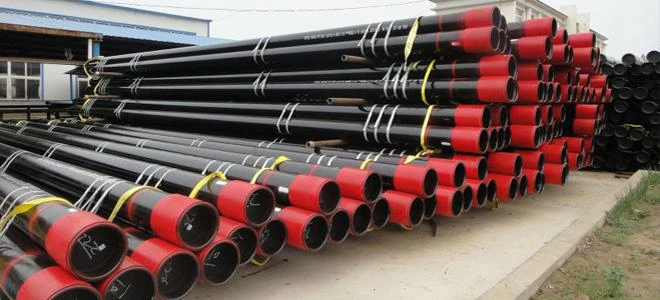
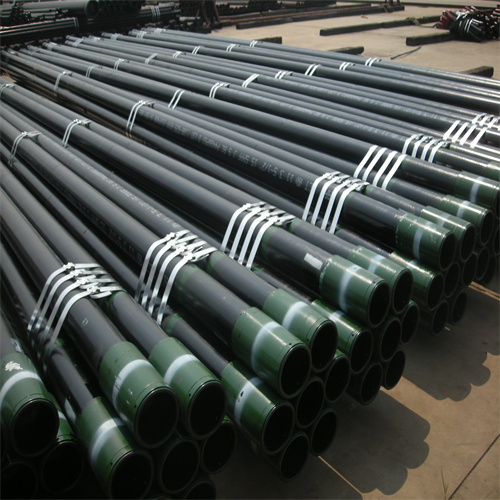
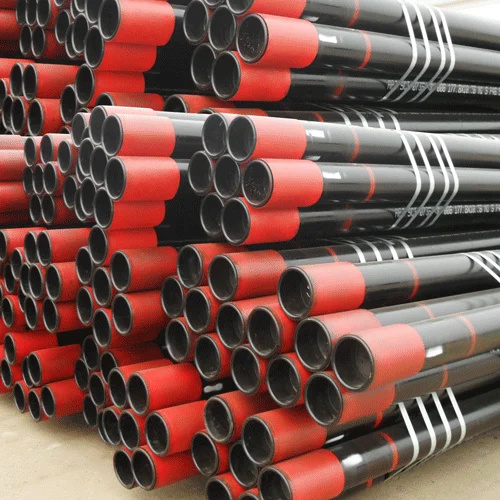
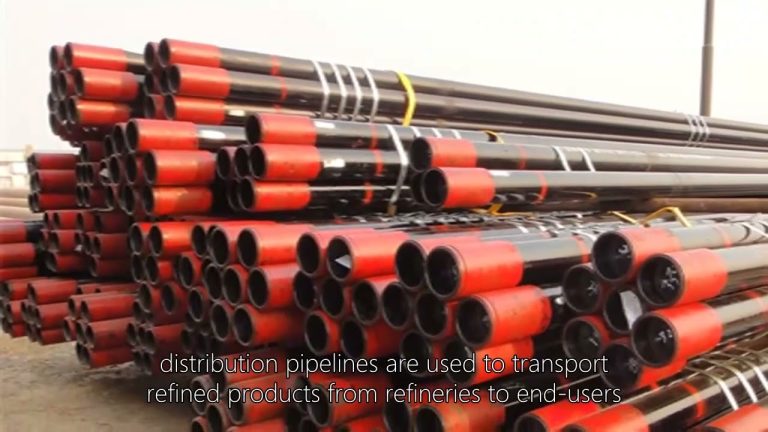
In the realm of oil extraction and production, ensuring the durability and quality of oil casing is paramount. Oil casing serves as a critical component in drilling operations, providing structural integrity and safeguarding the wellbore against various pressures and environmental conditions. To confirm the manufacturing quality of oil casing, several key parameters must be rigorously assessed.
Firstly, the Material used in manufacturing plays a pivotal role in determining the casing’s durability and performance. high-strength Steel alloys, such as API grades l80, P110, and Q125, are commonly employed due to their robust mechanical properties and resistance to corrosion. The chemical composition and metallurgical structure of the steel must adhere strictly to industry standards and specifications, ensuring uniformity and reliability across the casing Length.
Moreover, the manufacturing process itself significantly influences the quality of oil casing. seamless casing, produced through hot rolling processes, tends to exhibit superior mechanical properties compared to welded casing. Seamless Construction minimizes potential weak points such as weld seams, thereby enhancing the casing’s resistance to internal and external pressures encountered during drilling and production operations.
 Dimensional accuracy is another critical parameter in assessing casing quality. Precise outer Diameter (OD) and Wall thickness measurements are essential to ensure compatibility with downhole Tools and equipment. Variations in dimensions can affect the casing’s ability to withstand mechanical stresses and may compromise the integrity of the wellbore, leading to operational inefficiencies or even failures.
Furthermore, the integrity of the casing’s Thread Connections must be meticulously verified. Threaded connections facilitate the assembly of Casing strings and serve as primary barriers against fluid Leakage and mechanical failure. Thorough inspection protocols, including torque verification and thread gauging, are employed to detect any anomalies or defects that could compromise the Sealing integrity of the connections under operational conditions.
Corrosion resistance is another critical aspect of casing quality, particularly in environments characterized by high temperatures, corrosive fluids, or acidic Gases. Protective coatings, such as epoxy or metallic coatings, are applied to mitigate corrosion risks and extend the operational lifespan of the casing. Coating thickness, adhesion strength, and resistance to chemical agents are rigorously tested to ensure long-term reliability and performance in challenging operating environments.
In addition to material and construction considerations, the mechanical properties of oil casing undergo rigorous testing to confirm compliance with industry standards. Mechanical tests, including tensile strength, yield strength, and hardness assessments, provide quantitative data on the casing’s ability to withstand applied loads and environmental stresses. Non-destructive testing methods, such as ultrasonic and magnetic particle inspection, are also employed to detect internal defects or discontinuities that could compromise structural integrity.
Lastly, regulatory compliance and certification are essential indicators of oil casing quality. Manufacturers must adhere to stringent quality management systems and obtain certifications from recognized bodies such as the American Petroleum Institute (API) or the International Organization for Standardization (ISO). These certifications validate that the manufacturing processes, materials, and products meet or exceed industry standards for safety, reliability, and environmental stewardship.
In conclusion, confirming the manufacturing quality of oil casing involves a comprehensive evaluation of material selection, manufacturing processes, dimensional accuracy, thread integrity, corrosion resistance, mechanical properties, and regulatory compliance. By adhering to stringent quality control measures and industry standards, manufacturers and operators can ensure the durability, reliability, and safety of oil casing throughout its service life in demanding Oil and Gas extraction operations.