নির্দিষ্ট প্রয়োজনের জন্য সঠিক তেলের আবরণ বেছে নেওয়ার গুরুত্ব
উপযুক্ত তেল আবরণ নির্ধারণে লক্ষ্যবস্তুতে যে ধরনের জলাধার রয়েছে তাও গুরুত্বপূর্ণ ভূমিকা পালন করে। জলাধারগুলি চাপ, তাপমাত্রা এবং তরল গঠনের পরিপ্রেক্ষিতে পরিবর্তিত হয়, যা আবরণের কার্যক্ষমতা এবং দীর্ঘায়ুকে প্রভাবিত করতে পারে। উদাহরণস্বরূপ, উচ্চ-চাপের জলাধারে, চরম পরিস্থিতি সহ্য করার জন্য পুরু দেয়াল এবং উচ্চ বিস্ফোরণ শক্তি সহ একটি আবরণ অপরিহার্য। বিপরীতে, নিম্ন-চাপের জলাধারে, ড্রিলিং দক্ষতার সাথে আপস না করে প্রয়োজনীয় সহায়তা প্রদানের জন্য একটি হালকা আবরণ যথেষ্ট হতে পারে। গভীরতা, তুরপুন পদ্ধতি এবং পরিবেশগত প্রবিধানের মতো বিষয়গুলি নির্বাচন প্রক্রিয়াকে প্রভাবিত করতে পারে। গভীর কূপগুলির জন্য, ইনস্টলেশন এবং অপারেশনের সময় কেসিং ব্যর্থতা রোধ করার জন্য চমৎকার প্রসার্য শক্তি এবং বকলিং প্রতিরোধের একটি আবরণ অপরিহার্য। একইভাবে, পরিবেশগতভাবে সংবেদনশীল এলাকায়, পরিবেশগত দূষণের ঝুঁকি কমানোর জন্য উচ্চতর জারা প্রতিরোধের এবং ফুটো-প্রুফ ডিজাইনের একটি আবরণ প্রয়োজন হতে পারে।
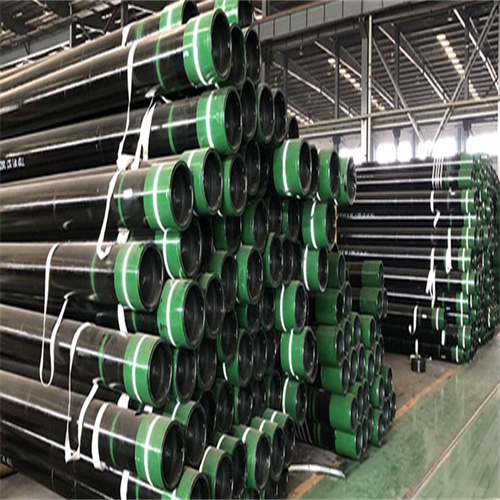
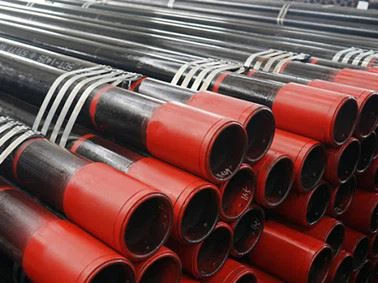
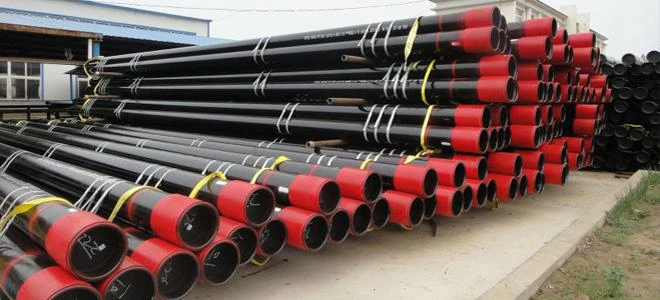
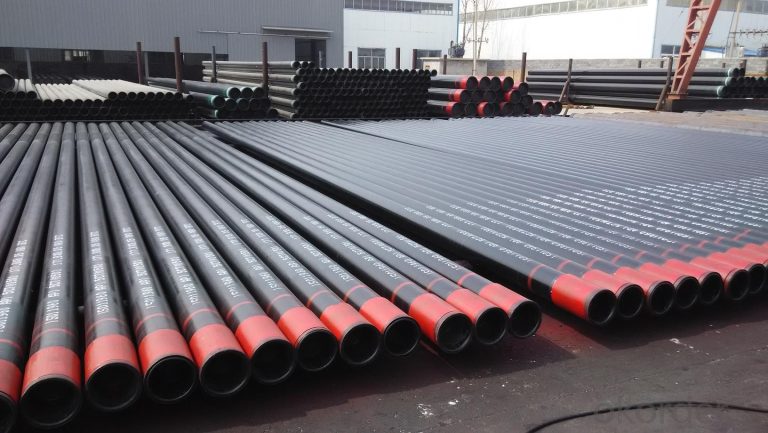
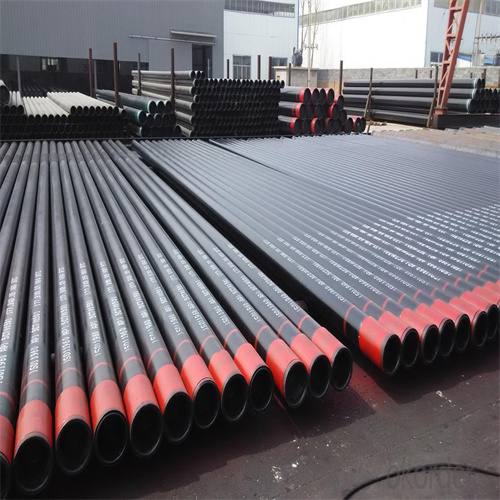
তেল বহন কেস
প্রকৃত প্রয়োজনীয়তার উপর ভিত্তি করে তেলের আবরণ নির্বাচন করার সময় বিবেচনা করার বিষয়গুলি
এছাড়াও, তেলের আবরণ নির্বাচন করার সময় নিয়ন্ত্রক প্রয়োজনীয়তা এবং শিল্পের মান অবশ্যই মেনে চলতে হবে। পরিবেশগত সুরক্ষা এবং নিরাপত্তা নিশ্চিত করার জন্য বিভিন্ন অঞ্চলে কেসিং ডিজাইন, উপাদান নির্দিষ্টকরণ এবং ইনস্টলেশন পদ্ধতি সম্পর্কিত নির্দিষ্ট প্রবিধান থাকতে পারে। ব্যয়বহুল জরিমানা এবং জরিমানা এড়াতে এবং শিল্পের মধ্যে একটি ভাল খ্যাতি বজায় রাখার জন্য এই প্রবিধানগুলির সাথে সম্মতি অপরিহার্য। , পরিবেশগত, অর্থনৈতিক, এবং নিয়ন্ত্রক কারণ। এই বিষয়গুলিকে যত্ন সহকারে মূল্যায়ন করে এবং প্রকল্পের নির্দিষ্ট চাহিদার সাথে সর্বোত্তম সারিবদ্ধ কেসিং নির্বাচন করে, অপারেটররা শিল্পের মান এবং প্রবিধানগুলির সাথে সম্মতি বজায় রেখে তাদের ড্রিলিং অপারেশনগুলির সাফল্য এবং দক্ষতা নিশ্চিত করতে পারে৷
Factors to Consider When Selecting Oil Casing Based on Actual Requirements
Selecting the appropriate oil casing is crucial in the Oil and Gas industry, as it directly impacts the success and efficiency of drilling operations. When determining the right oil casing for a specific project, several factors must be carefully considered to ensure that it aligns with the actual requirements of the operation. One of the primary considerations is the depth of the well. The depth of the well will dictate the strength and thickness of the casing needed to withstand the pressure and conditions at that depth. Additionally, the type of formation being drilled through plays a significant role in selecting the appropriate casing. Different formations have varying levels of hardness and require casings with specific properties to ensure successful drilling.
Another essential factor to consider is the anticipated downhole conditions. Factors such as temperature, pressure, and corrosiveness of the fluids being extracted must be taken into account when choosing the right casing Material. For example, in high-temperature environments, special alloys or materials with high heat resistance may be required to prevent casing failure. Moreover, the corrosiveness of the fluids can determine the type of coating or material that should be used to protect the casing from degradation over time.
Furthermore, the load that the casing will be subjected to during drilling and production phases is a critical consideration. The casing must be able to withstand the Weight of the drilling equipment, as well as any external forces that may act upon it during operation. Additionally, the casing design should allow for proper Cementing to ensure well integrity and prevent any leaks or seepage of fluids into the surrounding formations.
In addition to mechanical considerations, economic factors also play a role in selecting the right oil casing. The cost of the casing materials, installation, and Maintenance should be weighed against the expected returns from the well. It is essential to strike a balance between cost-effectiveness and the long-term performance of the casing to ensure the overall profitability of the project.
Moreover, regulatory requirements and industry standards must be adhered to when selecting oil casing. Different regions may have specific regulations regarding casing design, material specifications, and installation procedures to ensure environmental protection and safety. Compliance with these regulations is essential to avoid costly fines and penalties and to maintain a good reputation within the industry.
In conclusion, choosing the proper oil casing based on the actual requirements of the drilling operation is a complex process that involves considering various technical, environmental, economic, and regulatory factors. By carefully evaluating these factors and selecting the casing that best aligns with the specific needs of the project, operators can ensure the success and efficiency of their drilling operations while maintaining compliance with industry standards and regulations.