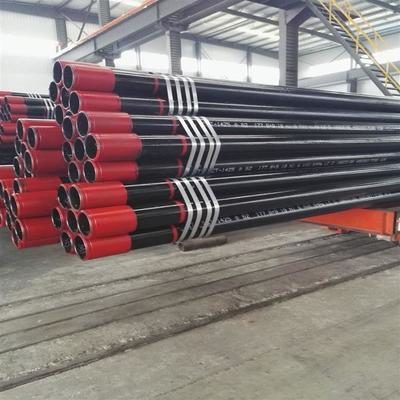
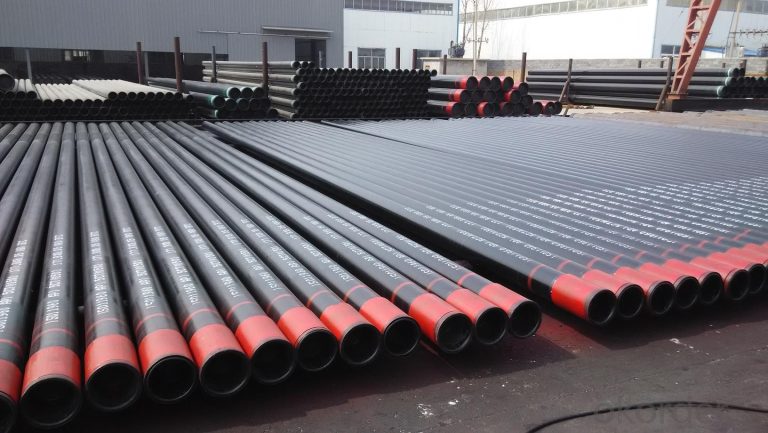
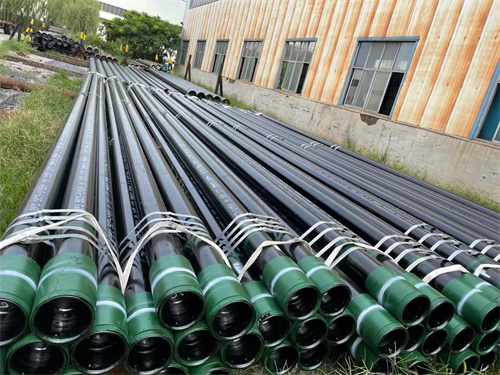
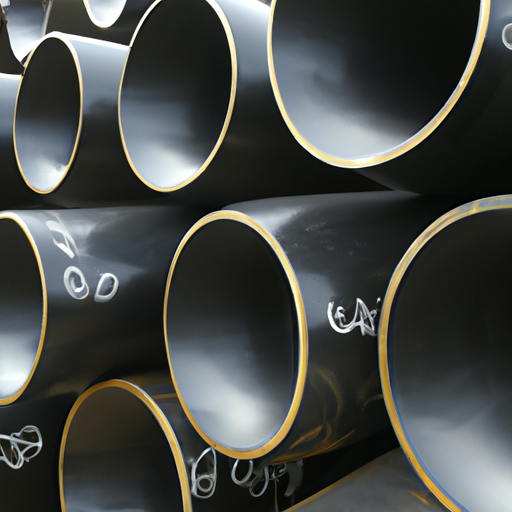
তেল আবরণের ধরন এবং তাদের প্রয়োগ বোঝা
তৈল আবরণ নির্বাচন করার সময় বিবেচনা করার বিষয়গুলি
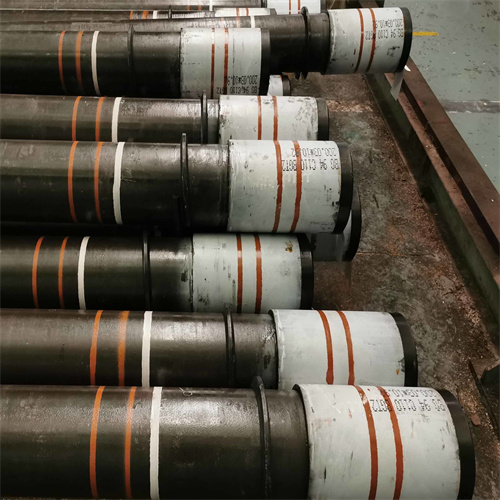
তেল আবরণের জন্য পরিবেশগত এবং নিয়ন্ত্রক প্রয়োজনীয়তা মূল্যায়ন
যথাযথ তেল আবরণ নির্বাচন করার সময়, পরিবেশগত এবং নিয়ন্ত্রক প্রয়োজনীয়তাগুলি মূল্যায়ন করা অত্যন্ত গুরুত্বপূর্ণ, কারণ এই কারণগুলি সিদ্ধান্ত গ্রহণের প্রক্রিয়াকে উল্লেখযোগ্যভাবে প্রভাবিত করে৷ তেল ও গ্যাস শিল্প পরিবেশ রক্ষা এবং অপারেশনের নিরাপত্তা নিশ্চিত করার জন্য ডিজাইন করা প্রবিধানের একটি জটিল কাঠামোর অধীনে কাজ করে। মেনে চলার জন্য এবং ড্রিলিং কার্যক্রমের পরিবেশগত প্রভাব কমানোর জন্য এই নিয়মগুলি বোঝা অপরিহার্য। এই মূল্যায়নের প্রথম ধাপ হল স্থানীয়, রাজ্য এবং ফেডারেল প্রবিধানগুলির সাথে নিজেকে পরিচিত করা যা তেলের আবরণ নির্দিষ্টকরণগুলি পরিচালনা করে। এই প্রবিধানগুলি প্রায়শই উপকরণ, মাত্রা এবং কার্যকারিতা মানগুলি নির্দেশ করে যা কেসিংয়ের অখণ্ডতা নিশ্চিত করার জন্য এটির কার্যক্ষম জীবন জুড়ে অবশ্যই পূরণ করতে হবে। মাটির গঠন, ভূগর্ভস্থ জলের স্তর এবং ভূমিকম্পের কার্যকলাপের মতো কারণগুলি আবরণের কার্যকারিতাকে প্রভাবিত করতে পারে। উদাহরণস্বরূপ, উচ্চ ভূমিকম্পের ক্রিয়াকলাপ সহ অঞ্চলগুলিতে, বিপর্যয়মূলক ব্যর্থতা রোধ করার জন্য সম্ভাব্য স্থল চলাচল সহ্য করতে পারে এমন একটি আবরণ নির্বাচন করা অপরিহার্য। একইভাবে, উচ্চ ভূগর্ভস্থ জলের স্তর সহ অঞ্চলগুলিতে, আবরণটি অবশ্যই জলাশয়ের দূষণ রোধ করার জন্য ডিজাইন করা উচিত, যা পানীয় জলের গুরুত্বপূর্ণ উত্স। অতএব, সাইটের একটি পুঙ্খানুপুঙ্খ পরিবেশগত মূল্যায়ন পরিচালনা করা এই শর্তগুলি চিহ্নিত করার জন্য এবং এমন একটি আবরণ নির্বাচন করা প্রয়োজন যা কার্যকরভাবে সংশ্লিষ্ট ঝুঁকিগুলি কমাতে পারে৷
এছাড়াও, তেলের ধরন বের করা হচ্ছে তাও কেসিংয়ের পছন্দকে প্রভাবিত করতে পারে। বিভিন্ন ধরণের তেলের বিভিন্ন বৈশিষ্ট্য রয়েছে, যেমন সান্দ্রতা এবং ক্ষয়কারীতা, যা কেসিংয়ের স্থায়িত্ব এবং কর্মক্ষমতা প্রভাবিত করতে পারে। উদাহরণস্বরূপ, ভারী অপরিশোধিত তেলের বর্ধিত চাপ এবং ক্ষয়ের সম্ভাবনা সহ্য করার জন্য আরও শক্তিশালী আবরণ উপাদানের প্রয়োজন হতে পারে। নিষ্কাশন করা তেলের নির্দিষ্ট বৈশিষ্ট্যগুলি বোঝা একটি আবরণ নির্বাচন করতে সাহায্য করবে যা শুধুমাত্র নিয়ন্ত্রক প্রয়োজনীয়তা পূরণ করে না বরং নিষ্কাশন প্রক্রিয়ার অনন্য অবস্থার অধীনে কার্যকরভাবে সম্পাদন করে। তেল এবং গ্যাস শিল্প পরিবেশগত সুরক্ষা এবং নিরাপত্তা বাড়ানোর লক্ষ্যে বিবর্তিত প্রবিধানের অধীন। অতএব, এমন একটি আবরণ নির্বাচন করা বুদ্ধিমানের কাজ যা শুধুমাত্র বর্তমান মান পূরণ করে না কিন্তু ভবিষ্যতের নিয়ন্ত্রক প্রয়োজনীয়তার সাথেও মানিয়ে যায়। এই দূরদর্শিতা লাইনের নিচে ব্যয়বহুল পরিবর্তন বা প্রতিস্থাপন প্রতিরোধ করতে পারে, যাতে অপারেশনগুলি অনুগত এবং দক্ষ থাকে তা নিশ্চিত করে। আবরণ নির্বাচন। এই ব্যস্ততা স্বচ্ছতা বৃদ্ধি করে এবং আরও সচেতন সিদ্ধান্ত গ্রহণের দিকে নিয়ে যেতে পারে। বিভিন্ন স্টেকহোল্ডারদের দৃষ্টিভঙ্গি বোঝার মাধ্যমে, অপারেটররা তাদের কেসিং পছন্দগুলিকে সম্প্রদায়ের মূল্যবোধ এবং পরিবেশগত অগ্রাধিকারের সাথে আরও ভালভাবে সারিবদ্ধ করতে পারে, যা শেষ পর্যন্ত আরও টেকসই অনুশীলনের দিকে পরিচালিত করে। , স্থানীয় প্রবিধান, পরিবেশগত অবস্থা, তেলের বৈশিষ্ট্য এবং স্টেকহোল্ডার দৃষ্টিকোণ সহ। এই মূল্যায়নের জন্য একটি বিস্তৃত পন্থা গ্রহণ করে, অপারেটররা সঠিক তেলের আবরণ নির্বাচন করতে পারে যা শুধুমাত্র বিদ্যমান প্রবিধানের সাথে সম্মতি দেয় না বরং পরিবেশগত প্রভাবকে কমিয়ে দেয় এবং অপারেশনাল নিরাপত্তা বাড়ায়। তেল উত্তোলন কার্যক্রমের দীর্ঘমেয়াদী সাফল্যের জন্য এবং তারা যে সম্প্রদায়গুলিতে কাজ করে তাদের বিশ্বাস বজায় রাখার জন্য এই চিন্তাশীল নির্বাচন প্রক্রিয়া অপরিহার্য। পরিশেষে, লক্ষ্য হল পরিবেশগত স্টুয়ার্ডশিপের আবশ্যিকতার সাথে শক্তি উৎপাদনের চাহিদার ভারসাম্য বজায় রাখা, যাতে শিল্পটি ভবিষ্যতের প্রজন্মের জন্য গ্রহকে রক্ষা করার সময় উন্নতি করতে পারে।
Evaluating Environmental and Regulatory Requirements for Oil Casing
When selecting the appropriate oil casing, it is crucial to evaluate environmental and regulatory requirements, as these factors significantly influence the decision-making process. The Oil and Gas industry operates under a complex framework of regulations designed to protect the environment and ensure the safety of operations. Understanding these regulations is essential for compliance and for minimizing the environmental impact of drilling activities. The first step in this evaluation is to familiarize oneself with local, state, and federal regulations that govern Oil casing specifications. These regulations often dictate the Materials, dimensions, and performance standards that must be met to ensure the integrity of the casing throughout its operational life.
In addition to regulatory compliance, it is vital to consider the environmental conditions of the drilling site. Factors such as soil composition, groundwater levels, and seismic activity can all affect the performance of the casing. For instance, in areas with high seismic activity, selecting a casing that can withstand potential ground movement is essential to prevent catastrophic failures. Similarly, in regions with high groundwater levels, the casing must be designed to prevent contamination of aquifers, which are critical sources of drinking water. Therefore, conducting a thorough environmental assessment of the site is necessary to identify these conditions and select a casing that can effectively mitigate associated risks.
Moreover, the type of oil being extracted can also influence the choice of casing. Different oil types have varying properties, such as viscosity and corrosiveness, which can affect the casing’s durability and performance. For example, heavy crude oil may require a more robust casing material to withstand the increased pressure and potential for corrosion. Understanding the specific characteristics of the oil being extracted will help in selecting a casing that not only meets regulatory requirements but also performs effectively under the unique conditions of the extraction process.
Another critical aspect to consider is the potential for future regulatory changes. The oil and gas industry is subject to evolving regulations aimed at enhancing environmental protection and safety. Therefore, it is prudent to select a casing that not only meets current standards but is also adaptable to future regulatory requirements. This foresight can prevent costly modifications or replacements down the line, ensuring that operations remain compliant and efficient.
Furthermore, engaging with stakeholders, including regulatory agencies, environmental groups, and local communities, can provide valuable insights into the expectations and concerns surrounding oil casing selection. This engagement fosters transparency and can lead to more informed decision-making. By understanding the perspectives of various stakeholders, operators can better align their casing choices with community values and environmental priorities, ultimately leading to more sustainable practices.
In conclusion, evaluating environmental and regulatory requirements is a multifaceted process that requires careful consideration of various factors, including local regulations, environmental conditions, oil characteristics, and stakeholder perspectives. By taking a comprehensive approach to this evaluation, operators can select the proper oil casing that not only complies with existing regulations but also minimizes environmental impact and enhances operational safety. This thoughtful selection process is essential for the long-term success of oil extraction operations and for maintaining the trust of the communities in which they operate. Ultimately, the goal is to balance the demands of energy production with the imperative of environmental stewardship, ensuring that the industry can contiNue to thrive while protecting the planet for future generations.