কার্বন ক্যাপচার এবং সঞ্চয়স্থানে তেল আবরণ প্রযুক্তির বিবর্তন
কার্বন ক্যাপচার এবং স্টোরেজ প্রয়াসের অগ্রগতিতে তেলের আবরণের ভবিষ্যত সম্ভাবনা
সিসিএসের প্রেক্ষাপটে, তেলের আবরণ শিল্প প্রক্রিয়া বা পাওয়ার প্ল্যান্ট থেকে ক্যাপচার করা কার্বন ডাই অক্সাইড (CO2) ইনজেকশন এবং সঞ্চয় করার ক্ষেত্রে একটি মূল উপাদান হিসেবে কাজ করে। তেল আবরণের অখণ্ডতা এবং নির্ভরযোগ্যতা ভূগর্ভস্থ CO2 এর নিরাপদ এবং নিরাপদ ধারণ নিশ্চিত করার জন্য অপরিহার্য, বায়ুমণ্ডলে এর মুক্তি রোধ করে। যেমন, তেল আবরণ প্রযুক্তির অগ্রগতি সিসিএস উদ্যোগের কার্যকারিতা এবং কার্যকারিতা বাড়ানোর জন্য অত্যন্ত গুরুত্বপূর্ণ। উচ্চ চাপ, ক্ষয়কারী পরিবেশ এবং তাপমাত্রার বৈচিত্র্যগুলি তেলের আবরণে উল্লেখযোগ্য চাপ সৃষ্টি করতে পারে, এই অবস্থাগুলিকে প্রতিরোধ করার জন্য বিশেষ উপকরণ এবং নকশাগুলির বিকাশের প্রয়োজন। জারা-প্রতিরোধী খাদ, সিমেন্টিং কৌশল এবং ওয়েলবোর ইন্টিগ্রিটি মনিটরিং সিস্টেমের উদ্ভাবন হল CCS অ্যাপ্লিকেশনের জন্য তেল আবরণের কার্যকারিতা বাড়ানোর ক্ষেত্রে ফোকাসের মূল ক্ষেত্র। গঠন, ওয়েলবোর বৈশিষ্ট্য এবং নিয়ন্ত্রক প্রয়োজনীয়তা। সাইট-নির্দিষ্ট কারণ যেমন শিলার ছিদ্র, ব্যাপ্তিযোগ্যতা এবং ক্যাপ্রক অখণ্ডতা CO2 ইনজেকশন এবং স্টোরেজের জন্য তেলের আবরণের উপযুক্ততা নির্ধারণে একটি গুরুত্বপূর্ণ ভূমিকা পালন করে। সিসিএস প্রকল্পে তেলের আবরণ সফলভাবে স্থাপন নিশ্চিত করার জন্য প্রকৌশলী, ভূতত্ত্ববিদ এবং নিয়ন্ত্রক সংস্থার মধ্যে সহযোগিতামূলক প্রচেষ্টা অপরিহার্য। প্রচেষ্টা আশাব্যঞ্জক দেখায়। তেলের আবরণের বহুমুখীতা এবং অভিযোজনযোগ্যতা এটিকে একটি কম কার্বন অর্থনীতিতে রূপান্তর সহজতর করার জন্য একটি মূল্যবান সম্পদ করে তোলে। তেল ও গ্যাস শিল্প থেকে বিদ্যমান অবকাঠামো এবং দক্ষতার ব্যবহার করে, সিসিএস প্রকল্পগুলি CO2 স্টোরেজ এবং পর্যবেক্ষণের জন্য সাশ্রয়ী সমাধান থেকে উপকৃত হতে পারে। তেল ও গ্যাস সেক্টরে এর ঐতিহ্যবাহী ভূমিকা। উদ্ভাবন, সহযোগিতা এবং স্থায়িত্ব গ্রহণ করে, তেলের আবরণ সিসিএস উদ্যোগের সাফল্যে অবদান রাখতে পারে এবং জলবায়ু পরিবর্তনের চ্যালেঞ্জ মোকাবেলায় সহায়তা করতে পারে। যেহেতু আমরা কার্বন নির্গমন হ্রাস এবং পরিবেশগত স্টুয়ার্ডশিপ অর্জনের উপর দৃষ্টি নিবদ্ধ করে ভবিষ্যতের দিকে তাকাই, তেলের আবরণ আরও টেকসই শক্তির ল্যান্ডস্কেপ গঠনে গুরুত্বপূর্ণ ভূমিকা পালন করতে প্রস্তুত।
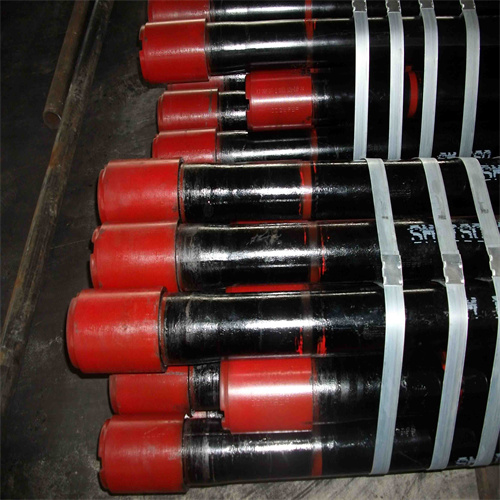
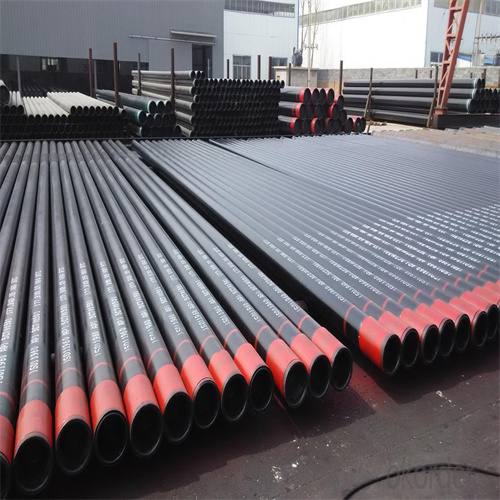
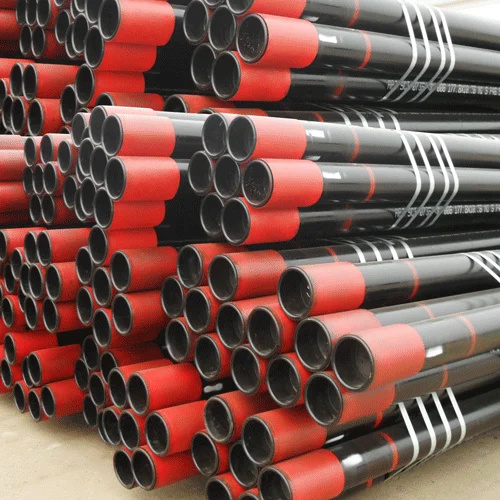
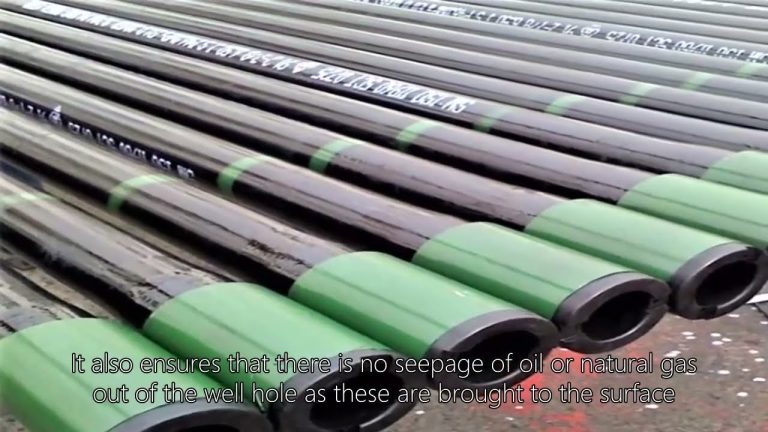
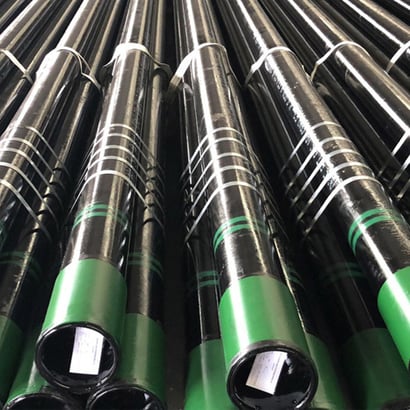
Oil Casing has played a crucial role in the Oil and Gas industry for decades, providing structural support and protection for wells during drilling and production operations. However, as the world shifts towards more sustainable energy practices, the role of oil casing is evolving to support carbon capture and storage (CCS) activities. This transition marks a significant development path for oil casing and opens up new opportunities for its application in mitigating greenhouse gas emissions.
In the context of CCS, oil casing serves as a key component in the injection and storage of carbon dioxide (CO2) captured from industrial processes or power plants. The integrity and reliability of oil casing are essential to ensure the safe and secure containment of CO2 underground, preventing its release into the atmosphere. As such, advancements in oil casing technology are crucial to enhancing the efficiency and effectiveness of CCS initiatives.
One of the primary challenges in utilizing oil casing for CCS activities is ensuring its compatibility with the harsh conditions encountered in underground storage sites. high pressures, corrosive environments, and temperature variations can place significant stress on oil casing, necessitating the development of specialized Materials and designs to withstand these conditions. innovations in corrosion-resistant alloys, Cementing techniques, and wellbore integrity monitoring systems are key areas of focus in enhancing the performance of oil casing for CCS applications.
Moreover, the design and installation of oil casing for CCS projects require careful consideration of geologic formations, wellbore characteristics, and regulatory requirements. Site-specific factors such as rock porosity, permeability, and caprock integrity play a critical role in determining the suitability of oil casing for CO2 injection and storage. Collaborative efforts between engineers, geologists, and regulatory bodies are essential to ensure the successful deployment of oil casing in CCS projects.
As the demand for CCS technologies contiNues to grow in response to climate change concerns, the future of oil casing in advancing these efforts looks promising. The versatility and adaptability of oil casing make it a valuable asset in facilitating the transition to a low-carbon economy. By leveraging existing infrastructure and expertise from the oil and gas industry, CCS projects can benefit from cost-effective solutions for CO2 storage and monitoring.
In conclusion, the development path of oil casing in the context of CCS activities represents a significant evolution in its traditional role within the oil and gas sector. By embracing innovation, collaboration, and sustainability, oil casing can contribute to the success of CCS initiatives and help address the challenges of climate change. As we look towards a future focused on reducing carbon emissions and achieving environmental stewardship, oil casing stands poised to play a vital role in sh APIng a more sustainable energy landscape.