তেল কেসিং ডিজাইনে উদ্ভাবন: পরিষেবা জীবন দ্বিগুণ করা
উপসংহারে, তেলের আবরণ নকশার চলমান বিবর্তন টেকসই এবং দক্ষ তেল নিষ্কাশন প্রক্রিয়ার সন্ধানে একটি উল্লেখযোগ্য মাইলফলক উপস্থাপন করে। উদ্ভাবনী উপকরণ, ডিজাইন এবং স্মার্ট প্রযুক্তির মাধ্যমে কেসিংয়ের পরিষেবা জীবনকে দ্বিগুণ করে, শিল্পটি যথেষ্ট খরচ সাশ্রয়, কর্মক্ষম দক্ষতা এবং পরিবেশগত সুবিধা অর্জনের জন্য প্রস্তুত। যেহেতু এই অগ্রগতিগুলি উদ্ভাসিত হতে থাকে, তারা তেল এবং গ্যাস উত্পাদনের ভবিষ্যত ল্যান্ডস্কেপকে পুনরায় সংজ্ঞায়িত করার প্রতিশ্রুতি দেয়, আরও স্থিতিস্থাপক এবং দায়িত্বশীল শক্তি খাতের পথ প্রশস্ত করে৷
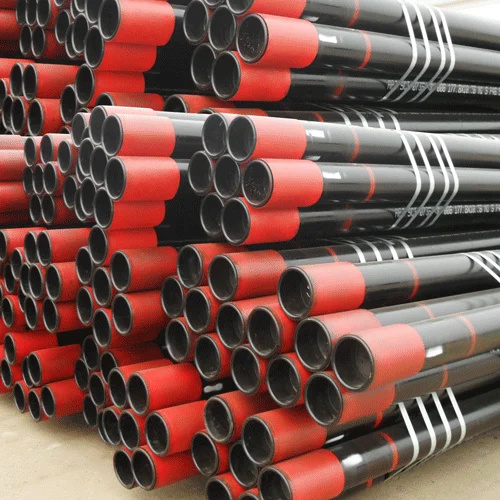
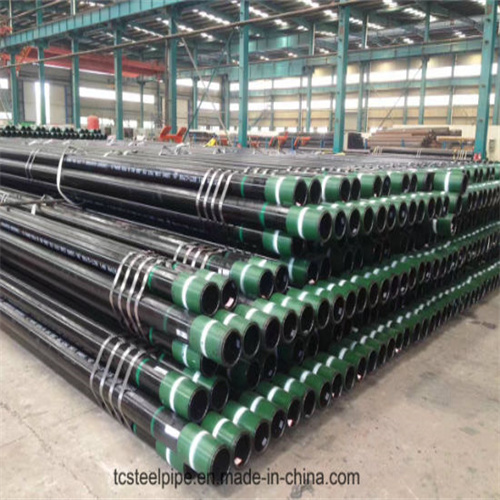
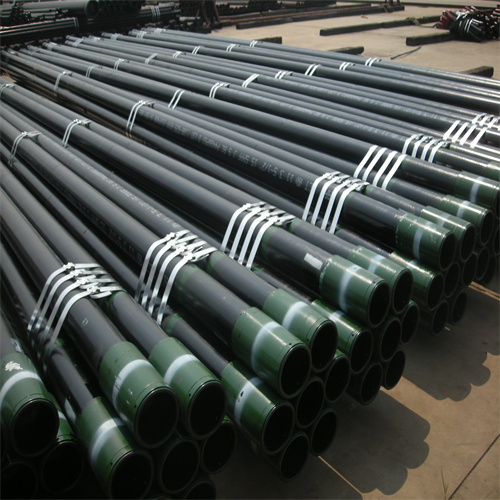
The key to these advancements lies in the utilization of advanced Materials and engineering techniques. Manufacturers are increasingly turning to high-strength alloys and composite materials that offer superior resistance to corrosion, abrasion, and mechanical stress. These materials are carefully selected and engineered to withstand the demanding conditions encountered in Oil Wells, thereby minimizing degradation over time.
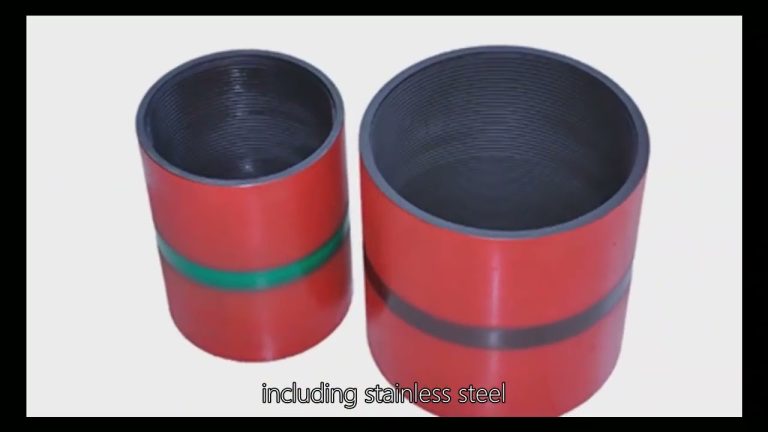
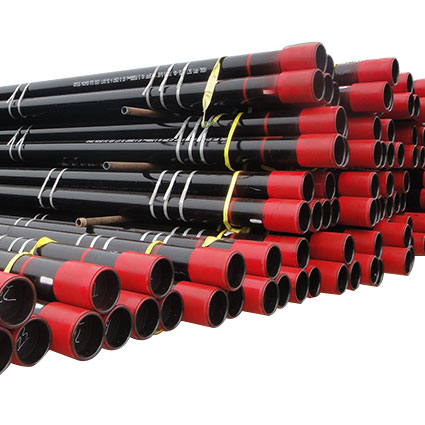
Furthermore, the design of Oil Casing has evolved to optimize performance under various operational scenarios. innovations such as double-layered casing systems and improved joint Connections are gaining prominence for their ability to enhance structural integrity and reliability. Double-layered casings, for instance, provide an additional barrier against corrosive substances and mechanical wear, effectively doubling the service life compared to conventional Single-Layer designs.
Moreover, the integration of smart technologies into oil casing is another frontier being explored by industry leaders. Sensors embedded within casing walls can provide real-time data on temperature, pressure, and integrity, allowing for proactive Maintenance and early detection of potential issues. This proactive approach not only minimizes the risk of costly failures but also optimizes operational efficiency by enabling timely interventions.
The benefits of these innovations extend beyond operational considerations. By prolonging the service life of oil casing, Companies can reduce their environmental footprint associated with casing disposal and manufacturing. This aligns with broader industry trends towards sustainability and responsible resource management.
However, the path to widespread adoption of these advanced casing technologies is not without challenges. Initial investment costs and technological barriers may present hurdles for some operators, particularly smaller firms with limited financial resources. Additionally, the need for rigorous testing and certification to ensure compliance with industry standards remains a priority to guarantee the safety and reliability of these innovations in the field.
Looking ahead, contiNued research and development efforts are expected to further refine and expand the capabilities of oil casing technologies. Collaborations between industry stakeholders, research institutions, and technology providers will be crucial in driving innovation forward and overcoming existing barriers.
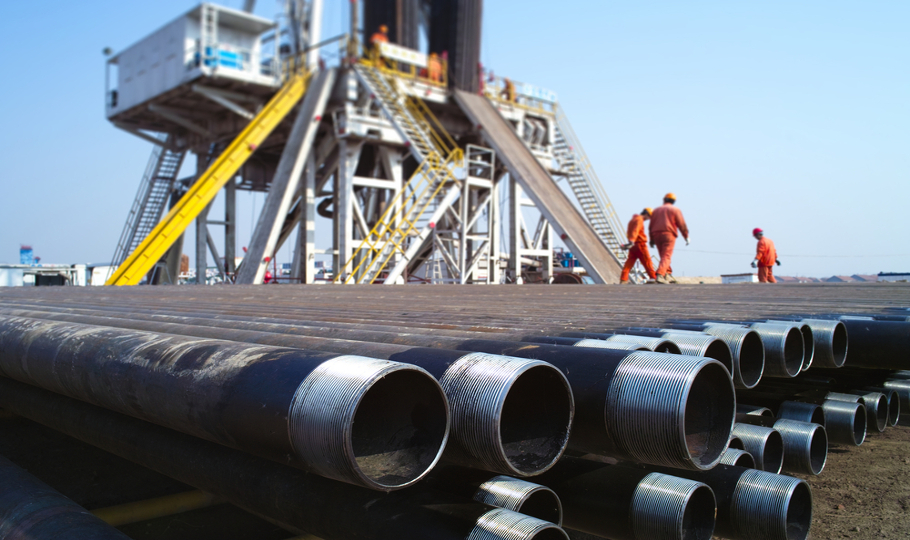
In conclusion, the ongoing evolution of oil casing design represents a significant milestone in the quest for sustainable and efficient oil extraction processes. By doubling the service life of casing through innovative materials, designs, and smart technologies, the industry is poised to achieve substantial cost savings, operational efficiencies, and environmental benefits. As these advancements continue to unfold, they promise to redefine the future landscape of Oil and Gas production, paving the way for a more resilient and responsible energy sector.