তেল আবরণ উত্পাদন দক্ষতার জন্য উত্পাদন প্রক্রিয়াগুলিকে স্ট্রীমলাইন করা
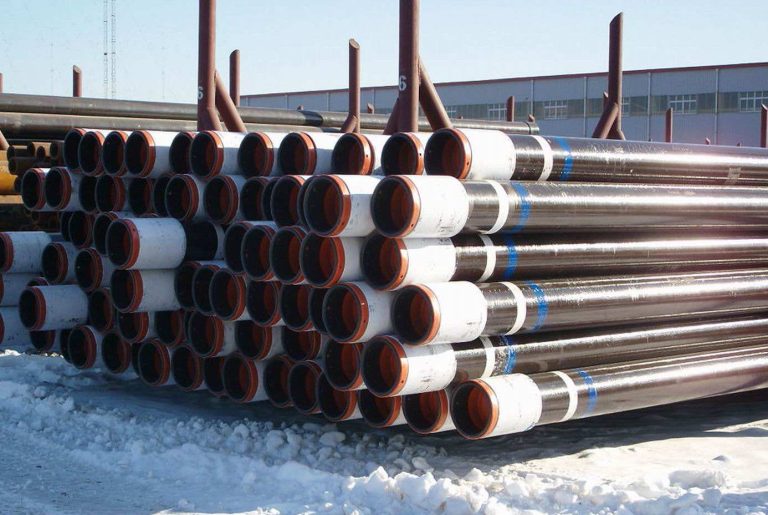
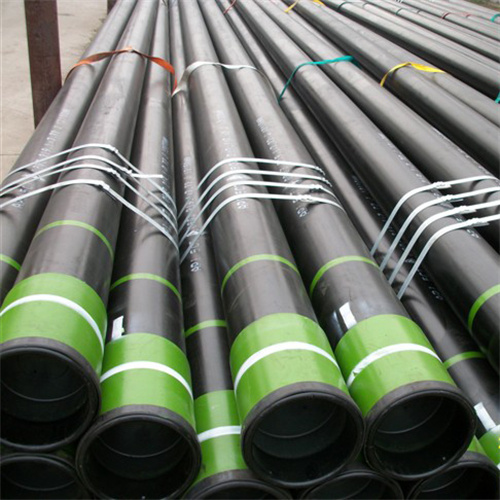
API 5ct C110 কেসিং প্রস্তুতকারক
উপসংহারে, তেল আবরণ উত্পাদন চক্রের অপ্টিমাইজেশন একটি বহুমুখী প্রক্রিয়া যার জন্য প্রযুক্তি, সরবরাহ শৃঙ্খল ব্যবস্থাপনা, কর্মশক্তি উন্নয়ন, চর্বিহীন অনুশীলন এবং কর্মক্ষমতা নিরীক্ষণের অন্তর্ভুক্ত একটি সামগ্রিক পদ্ধতির প্রয়োজন। উত্পাদন প্রক্রিয়াগুলিকে স্ট্রিমলাইন করার উপর দৃষ্টি নিবদ্ধ করে, উন্নত প্রযুক্তি ব্যবহার করে, এবং ক্রমাগত উন্নতির সংস্কৃতিকে উত্সাহিত করে, তেল আবরণ নির্মাতারা দক্ষতা বাড়াতে পারে, খরচ কমাতে পারে এবং একটি প্রতিযোগিতামূলক শিল্পের ল্যান্ডস্কেপে টেকসই বৃদ্ধি অর্জন করতে পারে।
বর্ধিত তেল আবরণ উত্পাদন উত্পাদনশীলতার জন্য উন্নত প্রযুক্তি প্রয়োগ করা

তেল আবরণ উত্পাদন তেল এবং গ্যাস শিল্পে একটি গুরুত্বপূর্ণ ভূমিকা পালন করে, কূপ খনন এবং সমাপ্তির জন্য প্রয়োজনীয় কাঠামোগত সহায়তা প্রদান করে। প্রযুক্তির অগ্রগতি অব্যাহত থাকায়, এই সেক্টরে উৎপাদনশীলতা এবং দক্ষতা বাড়াতে তেলের আবরণের উৎপাদন চক্রকে অপ্টিমাইজ করা ক্রমশ গুরুত্বপূর্ণ হয়ে উঠেছে। এই প্রযুক্তিগুলি বিস্তৃত সরঞ্জাম এবং প্রক্রিয়াগুলিকে অন্তর্ভুক্ত করে যা উত্পাদনকে প্রবাহিত করতে পারে, গুণমান উন্নত করতে পারে এবং খরচ কমাতে পারে। উদাহরণস্বরূপ, উৎপাদন কারখানায় স্বয়ংক্রিয় রোবোটিক সিস্টেমের ব্যবহার কেসিং উৎপাদনের গতি এবং নির্ভুলতা উল্লেখযোগ্যভাবে বৃদ্ধি করতে পারে। ঢালাই এবং পরিদর্শনের মতো পুনরাবৃত্তিমূলক কাজগুলিকে স্বয়ংক্রিয় করে, নির্মাতারা সামঞ্জস্যপূর্ণ মানের মান বজায় রেখে উচ্চ আউটপুট হার অর্জন করতে পারে। রিয়েল-টাইমে উত্পাদন ডেটা বিশ্লেষণ করে, নির্মাতারা অদক্ষতাগুলি সনাক্ত করতে পারে, রক্ষণাবেক্ষণের প্রয়োজনীয়তার পূর্বাভাস দিতে পারে এবং সামগ্রিক উত্পাদনশীলতা উন্নত করতে জ্ঞাত সিদ্ধান্ত নিতে পারে। এআই অ্যালগরিদমগুলি উত্পাদন সময়সূচীকে অপ্টিমাইজ করতে, ডাউনটাইম কমাতে এবং উপাদানের অপচয় কমাতেও ব্যবহার করা যেতে পারে, যার ফলে খরচ সাশ্রয় হয় এবং বাজারে প্রতিযোগিতা বৃদ্ধি পায়। তেল আবরণ উত্পাদন। লিন ম্যানুফ্যাকচারিং বর্জ্য অপসারণ, কর্মপ্রবাহের উন্নতি এবং গ্রাহকের জন্য সর্বাধিক মানকে ফোকাস করে। 5S কর্মক্ষেত্র সংগঠন, কানবান ইনভেন্টরি ম্যানেজমেন্ট এবং ক্রমাগত উন্নতির উদ্যোগের মতো চর্বিহীন অনুশীলনগুলি বাস্তবায়নের মাধ্যমে, নির্মাতারা ক্রিয়াকলাপকে স্ট্রিমলাইন করতে পারে, নেতৃত্বের সময় কমাতে পারে এবং সামগ্রিক উত্পাদনশীলতা বাড়াতে পারে। . যেহেতু শিল্পটি তার পরিবেশগত প্রভাব হ্রাস করার জন্য ক্রমবর্ধমান চাপের সম্মুখীন হয়, নির্মাতাদের অবশ্যই তাদের উত্পাদন প্রক্রিয়াগুলিতে স্থায়িত্বকে অগ্রাধিকার দিতে হবে। এতে পরিবেশ-বান্ধব উপকরণ ব্যবহার করা, শক্তি-দক্ষ প্রযুক্তি প্রয়োগ করা এবং উৎপাদন জীবনচক্র জুড়ে কার্বন নিঃসরণ কমানো জড়িত থাকতে পারে। টেকসই অনুশীলন গ্রহণ করে, নির্মাতারা শুধুমাত্র নিয়ন্ত্রক প্রয়োজনীয়তা পূরণ করতে পারে না বরং পরিবেশ সচেতন ভোক্তা এবং বিনিয়োগকারীদের কাছে আবেদনও করতে পারে। বিক্রেতাদের সাথে দৃঢ় সম্পর্ক স্থাপন করে, নির্মাতারা একটি স্থিতিশীল সরবরাহ শৃঙ্খল নিশ্চিত করতে পারে, সর্বশেষ প্রযুক্তি অ্যাক্সেস করতে পারে এবং পণ্য বিকাশে উদ্ভাবন চালাতে পারে। সহযোগিতামূলক প্রচেষ্টা শেয়ার করা খরচ সঞ্চয়, উন্নত মান নিয়ন্ত্রণ, এবং মূল্য শৃঙ্খল জুড়ে সামগ্রিক কর্মক্ষমতা বাড়াতে পারে। টেকসই উদ্যোগ, এবং সহযোগী অংশীদারিত্ব। এই কৌশলগুলি ব্যবহার করে, নির্মাতারা উত্পাদনশীলতা বাড়াতে, খরচ কমাতে এবং গতিশীল তেল ও গ্যাস শিল্পে প্রতিযোগিতামূলক থাকতে পারে। প্রযুক্তির বিকাশ অব্যাহত থাকায়, উদ্ভাবন গ্রহণ করা এবং ক্রমাগত উন্নতি তেল আবরণ উৎপাদনে সাফল্যের চাবিকাঠি হবে।
Implementing Advanced Technologies for Enhanced Oil Casing Manufacturing Productivity
Oil casing manufacturing plays a crucial role in the Oil and Gas industry, providing the structural support necessary for well drilling and completion. As technology contiNues to advance, optimizing the manufacturing cycles of oil casing has become increasingly important to enhance productivity and efficiency in this sector.
One key aspect of optimizing oil casing manufacturing cycles is the implementation of advanced technologies. These technologies encompass a wide range of tools and processes that can streamline production, improve quality, and reduce costs. For instance, the use of automated robotic systems in manufacturing plants can significantly increase the speed and accuracy of casing production. By automating repetitive tasks, such as welding and inspection, Manufacturers can achieve higher output rates while maintaining consistent quality standards.
Furthermore, the integration of data analytics and artificial intelligence (AI) in oil casing manufacturing can provide valuable insights for process optimization. By analyzing production data in real-time, manufacturers can identify inefficiencies, predict Maintenance needs, and make informed decisions to improve overall productivity. AI algorithms can also be used to optimize production schedules, minimize downtime, and reduce Material waste, leading to cost savings and increased competitiveness in the market.
In addition to advanced technologies, the adoption of lean manufacturing principles can further enhance the efficiency of oil casing production. Lean manufacturing focuses on eliminating waste, improving workflow, and maximizing value for the customer. By implementing lean practices such as 5S workplace organization, Kanban inventory management, and continuous improvement initiatives, manufacturers can streamline operations, reduce lead times, and enhance overall productivity.
Another critical aspect of optimizing oil casing manufacturing cycles is the integration of sustainability practices. As the industry faces increasing pressure to reduce its environmental impact, manufacturers must prioritize sustainability in their production processes. This can involve using eco-friendly materials, implementing energy-efficient technologies, and reducing carbon emissions throughout the manufacturing lifecycle. By embracing sustainable practices, manufacturers can not only meet regulatory requirements but also appeal to environmentally conscious consumers and investors.
Moreover, collaboration with Suppliers and partners is essential for optimizing oil casing manufacturing cycles. By establishing strong relationships with vendors, manufacturers can ensure a stable supply chain, access the latest technologies, and drive innovation in product development. Collaborative efforts can also lead to shared cost savings, improved quality control, and enhanced overall performance across the value chain.
In conclusion, the optimization of oil casing manufacturing cycles is a multifaceted process that requires the integration of advanced technologies, lean practices, sustainability initiatives, and collaborative partnerships. By leveraging these strategies, manufacturers can enhance productivity, reduce costs, and stay competitive in the dynamic oil and gas industry. As technology continues to evolve, embracing innovation and continuous improvement will be key to success in oil casing manufacturing.