বর্ধিত তেল আবরণ কর্মক্ষমতা জন্য উন্নত যৌগিক উপকরণ অন্বেষণ
উন্মুখ, চলমান গবেষণা এবং উন্নয়ন তেল আবরণ অ্যাপ্লিকেশনের জন্য যৌগিক উপকরণ সীমানা ধাক্কা অব্যাহত. ন্যানো প্রযুক্তিতে উদ্ভাবন, উদাহরণস্বরূপ, যান্ত্রিক বৈশিষ্ট্য এবং পরিবেশগত স্থিতিস্থাপকতায় আরও উন্নতির প্রতিশ্রুতি দেয়। বস্তুগত বিজ্ঞানী, প্রকৌশলী এবং শিল্প নেতাদের মধ্যে সহযোগিতা এই প্রযুক্তিগুলিকে ল্যাব প্রোটোটাইপ থেকে বাণিজ্যিকভাবে কার্যকর সমাধানে অগ্রসর করার জন্য গুরুত্বপূর্ণ যা তেল ও গ্যাস সেক্টরের কঠোর চাহিদা পূরণ করে। পেট্রোলিয়াম প্রকৌশলে একটি গুরুত্বপূর্ণ বিবর্তন। উচ্চতর যান্ত্রিক বৈশিষ্ট্য এবং জারা প্রতিরোধের প্রস্তাবের বাইরে, কম্পোজিটগুলি দক্ষ এবং টেকসই তেল নিষ্কাশন অনুশীলনের সম্ভাবনাগুলিকে প্রসারিত করার সময় পরিবেশগত প্রভাব এবং অপারেশনাল খরচ কমানোর প্রতিশ্রুতি রাখে। যেহেতু শিল্পটি বৃহত্তর দক্ষতা এবং পরিবেশগত স্টুয়ার্ডশিপের দিকে নেভিগেট করছে, কম্পোজিটের মতো উন্নত উপকরণের ভূমিকা নিঃসন্দেহে এর ভবিষ্যত ল্যান্ডস্কেপ গঠনে একটি গুরুত্বপূর্ণ ভূমিকা পালন করবে।
In terms of environmental impact, composite Materials present a greener alternative compared to traditional Steel. Reduced corrosion rates mean fewer replacements over time, lowering overall material consumption and waste generation. Furthermore, composite production processes can be designed with sustainability in mind, utilizing recyclable materials and minimizing energy-intensive procedures, aligning with global efforts towards more eco-friendly industrial practices.
While the benefits of advanced composites are compelling, their adoption in Oil Casing applications is not without challenges. Cost considerations, although decreasing with technological advancements and economies of scale, remain a factor, particularly in justifying initial investments against the perceived longevity and performance gains. Moreover, ensuring consistent quality and reliability across large-scale production remains a focal point for industry stakeholders, necessitating stringent testing and certification protocols.
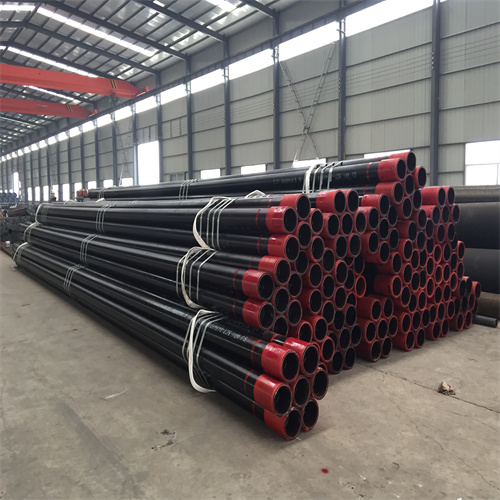
Looking forward, ongoing research and development contiNue to push the boundaries of composite materials for oil casing applications. innovations in nanotechnology, for instance, promise further enhancements in mechanical properties and environmental resilience. Collaborations between material scientists, engineers, and industry leaders are crucial in advancing these technologies from lab prototypes to commercially viable solutions that meet the rigorous demands of the Oil and Gas sector.
SteelIn conclusion, the exploration of advanced composite materials for oil casing represents a pivotal evolution in petroleum engineering. Beyond offering superior mechanical properties and Corrosion resistance, composites hold the promise of reducing environmental impact and operational costs while expanding the possibilities for efficient and sustainable oil extraction practices. As the industry navigates towards greater efficiency and environmental stewardship, the role of advanced materials like composites will undoubtedly play a crucial role in sh APIng its future landscape.