চ্যালেঞ্জিং পরিবেশের জন্য তেল আবরণ নির্বাচন করার সময় মূল বিবেচ্য বিষয়
কিভাবে তেল আবরণ নির্বাচনের সাধারণ ভুলগুলি এড়াতে হয়
এই নীতিগুলি মেনে চলার মাধ্যমে এবং তাদের সিদ্ধান্ত গ্রহণের প্রক্রিয়ার সাথে একীভূত করার মাধ্যমে, তেল কোম্পানিগুলি আস্থার সাথে কেসিং নির্বাচনের জটিলতাগুলি নেভিগেট করতে পারে এবং তাদের অনুসন্ধান ও উৎপাদন প্রচেষ্টায় সর্বোত্তম ফলাফল অর্জন করতে পারে।
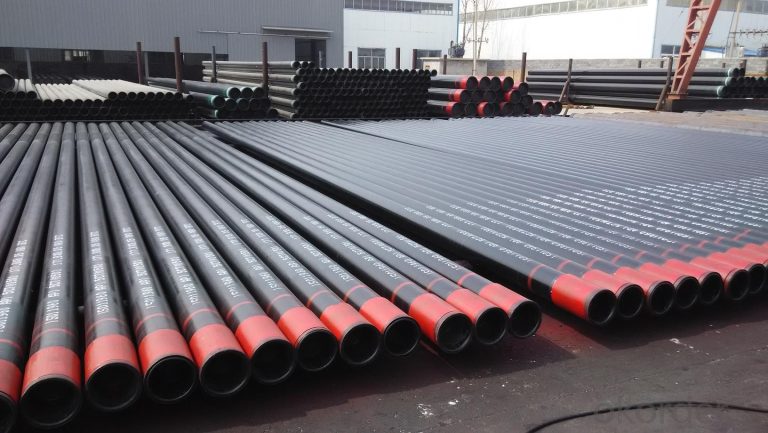
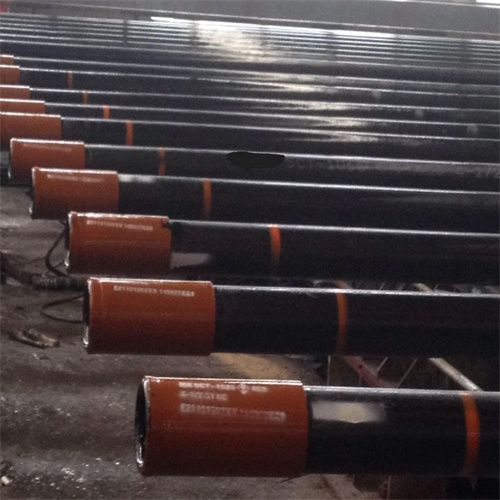
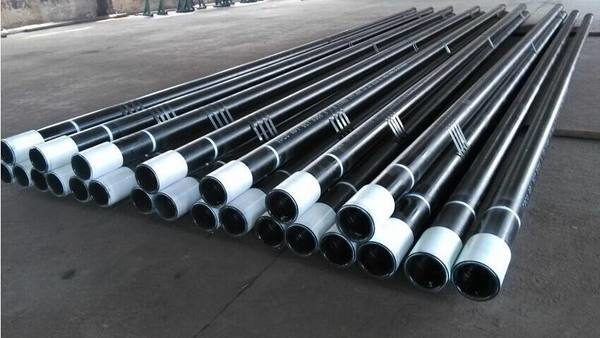
Seriously troubled by Oil Casing choice? Look here for rescue.
Selecting the right oil casing is critical for the success and longevity of any Oil Well. It’s not just about choosing any casing that fits; it requires a meticulous assessment of geological conditions, operational parameters, and long-term performance expectations. Many oil Companies face significant challenges when it comes to this decision-making process, often leading to costly mistakes and operational setbacks. In this article, we will delve into some common pitfalls in oil casing selection and provide practical insights on how to avoid them.
One of the most prevalent mistakes in oil casing selection is inadequate consideration of well conditions. Each oil reservoir presents unique geological characteristics such as pressure, temperature, fluid composition, and corrosiveness. Ignoring these factors can result in selecting casings that are either too weak to withstand high pressures or too susceptible to corrosion, leading to premature failures. To mitigate this risk, thorough geological studies and well testing are essential. Engineers must analyze reservoir data comprehensively to determine the optimal casing Material, grade, and thickness that can endure the specific downhole conditions.
Another critical aspect often overlooked is the compatibility between the casing and completion equipment. The casing design should seamlessly integrate with the planned well completion strategy, including Cementing and subsequent well interventions. Improper casing selection can hinder the efficiency of these operations, leading to delays, increased costs, and even environmental risks. Engineers and project managers must collaborate closely to ensure that the selected casing design aligns with the entire well Construction plan, from drilling to production.
Cost considerations play a significant role in casing selection but should not overshadow long-term performance and safety. Opting for cheaper casing materials or designs without adequate justification can be detrimental in the long run. Cost-effective solutions should be balanced with reliability and durability requirements. It is crucial to conduct a lifecycle cost analysis that considers not only the initial purchase Price but also Maintenance, Repair, and replacement costs over the well’s expected lifespan. Investing in high-quality casing upfront can yield substantial savings by reducing downtime and minimizing the risk of costly remediation efforts.
Furthermore, regulatory compliance and environmental considerations must be prioritized during casing selection. Oil and Gas operations are subject to stringent regulations aimed at protecting the environment and ensuring worker safety. Choosing casings that meet or exceed regulatory standards is non-negotiable. Additionally, selecting environmentally friendly materials and practices can enhance the Company‘s reputation and mitigate legal risks associated with non-compliance.
Lastly, technological advancements in casing materials and manufacturing techniques offer opportunities for innovation and performance enhancement. Companies should stay abreast of industry developments and leverage new technologies to optimize casing selection. Advanced materials such as corrosion-resistant alloys and composite casings can provide superior performance in challenging environments, improving well integrity and longevity.
In conclusion, the process of selecting oil casings demands meticulous attention to detail and a thorough understanding of geological, operational, economic, and regulatory factors. By avoiding common pitfalls such as neglecting well conditions, overlooking compatibility with completion equipment, prioritizing short-term cost savings over long-term performance, disregarding regulatory requirements, and failing to embrace technological advancements, oil companies can enhance their operational efficiency, minimize risks, and achieve sustainable growth. A well-informed approach to casing selection is not just about avoiding mistakes; it is about laying a robust foundation for success in oil and gas exploration and production.
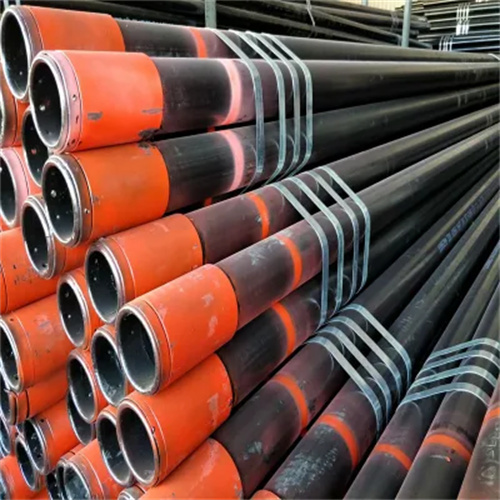 By adhering to these principles and integrating them into their decision-making processes, oil companies can navigate the complexities of casing selection with confidence and achieve optimal outcomes in their exploration and production endeavors.