দক্ষতা বৃদ্ধি: তেল আবরণ প্রযুক্তিতে উদ্ভাবন
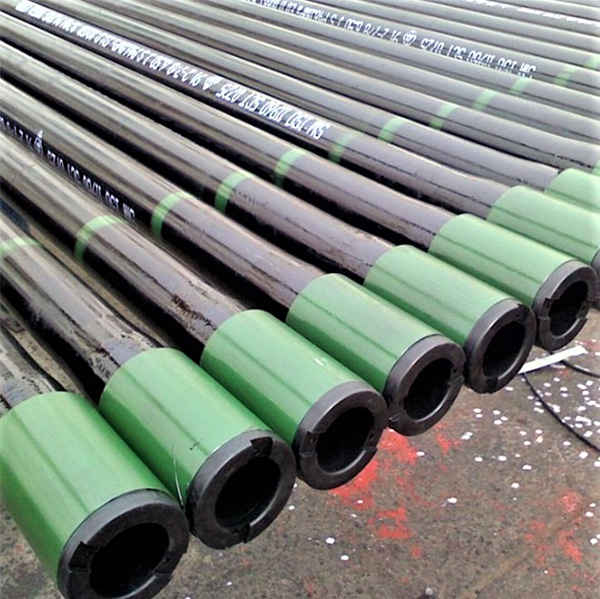
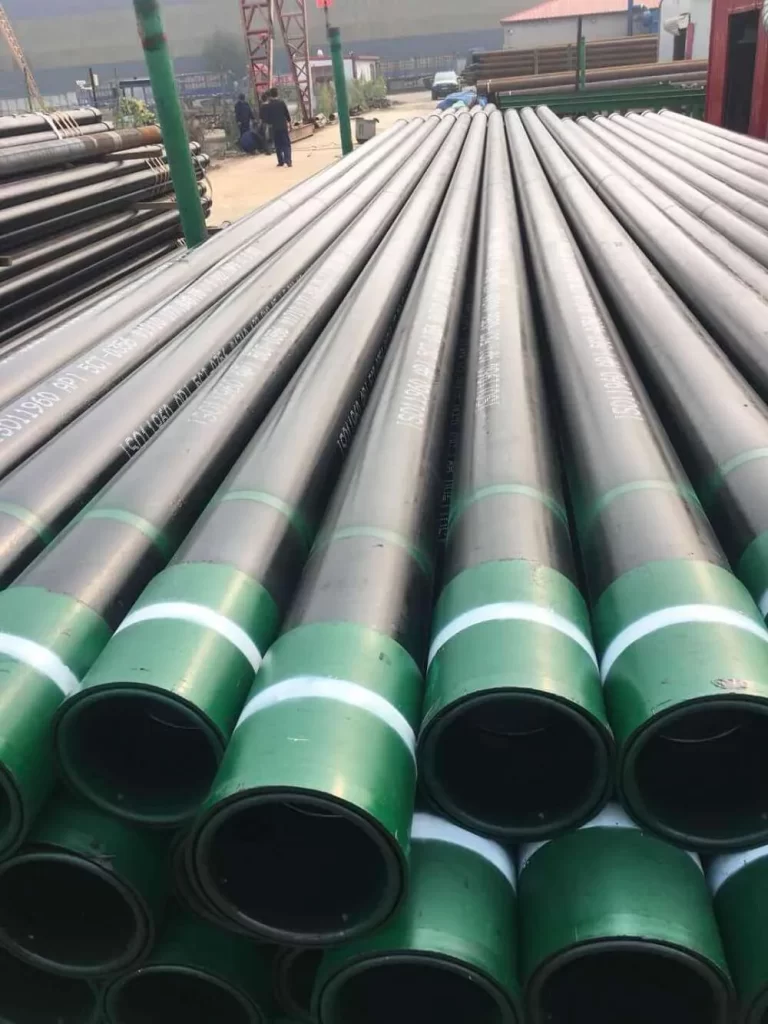
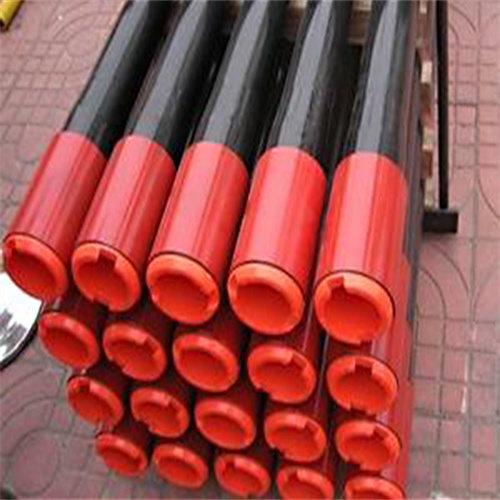
API 5ct l80-1 Casing চাইনিজ সেরা সরবরাহকারী
টেকসই শক্তি বিকল্প অন্বেষণ: একটি সবুজ ভবিষ্যতের জন্য উদ্যোগ
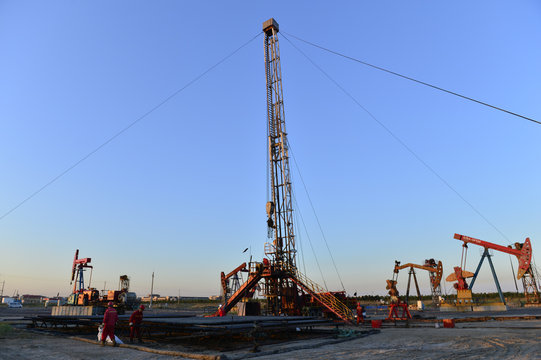
একটি টেকসই ভবিষ্যতের অন্বেষণে, তেল আবরণের ভূমিকা নতুন করে তাৎপর্য গ্রহণ করে যখন আমরা সবুজ শক্তির বিকল্পগুলির দিকে নেভিগেট করি। তেলের আবরণ, তেল এবং গ্যাস উত্তোলনের একটি গুরুত্বপূর্ণ উপাদান, শুধুমাত্র কূপের কাঠামোগত অখণ্ডতা নিশ্চিত করে না বরং পরিবেশগত প্রভাব কমাতেও গুরুত্বপূর্ণ ভূমিকা পালন করে। যেহেতু বৈশ্বিক শক্তির চাহিদা বাড়ছে এবং জলবায়ু পরিবর্তন নিয়ে উদ্বেগ তীব্র হচ্ছে, তেল ও গ্যাস শিল্প ক্রমবর্ধমানভাবে উদ্ভাবন এবং স্থায়িত্বের লক্ষ্যগুলির সাথে সারিবদ্ধ অনুশীলনগুলি গ্রহণ করার জন্য চাপ দিচ্ছে। এর মজবুত নকশা শুধুমাত্র ড্রিলিং এবং উৎপাদনের সময় কূপকে সমর্থন করে না বরং ফুটো এবং ভূগর্ভস্থ জলের দূষণ প্রতিরোধ করে। সাম্প্রতিক বছরগুলিতে, কেসিং প্রযুক্তির অগ্রগতি পরিবেশগত পদচিহ্ন হ্রাস করার সাথে সাথে স্থায়িত্ব এবং দক্ষতা বাড়ানোর উপর দৃষ্টি নিবদ্ধ করেছে। জারা-প্রতিরোধী খাদ এবং উন্নত সিমেন্টিং কৌশলগুলির মতো উদ্ভাবনগুলি দীর্ঘস্থায়ী কূপ এবং উন্নত অপারেশনাল সুরক্ষায় অবদান রাখে। কেসিং-এ এমবেড করা সেন্সর থেকে রিয়েল-টাইম ডেটা অপারেটরদের সম্ভাব্য অখণ্ডতার সমস্যাগুলি তাড়াতাড়ি সনাক্ত করতে, ঝুঁকি কমাতে এবং উত্পাদন দক্ষতা অপ্টিমাইজ করার অনুমতি দেয়। এই সক্রিয় দৃষ্টিভঙ্গি শুধুমাত্র পরিবেশগত স্টুয়ার্ডশিপ বাড়ায় না বরং বিকশিত নিয়ন্ত্রক কাঠামো এবং বাজারের গতিশীলতার মুখে অপারেশনাল স্থিতিস্থাপকতাও উন্নত করে। নবায়নযোগ্য শক্তির উত্সগুলিতে বিনিয়োগ, যেমন বায়ু এবং সৌর শক্তি, শক্তির পোর্টফোলিওগুলিকে বৈচিত্র্যময় করার এবং গ্রিনহাউস গ্যাস নির্গমন হ্রাস করার প্রতিশ্রুতিকে আন্ডারস্কোর করে৷ বিদ্যমান অবকাঠামো এবং দক্ষতার ব্যবহার করে, তেল এবং গ্যাস কোম্পানিগুলি একটি নিম্ন-কার্বন অর্থনীতিতে রূপান্তরকে ত্বরান্বিত করতে একটি গুরুত্বপূর্ণ ভূমিকা পালন করতে পারে। শিল্প স্টেকহোল্ডার, গবেষণা প্রতিষ্ঠান এবং সরকারী সংস্থার মধ্যে অংশীদারিত্ব জ্ঞান বিনিময় সহজতর করে এবং আধুনিক প্রযুক্তির বিকাশকে উৎসাহিত করে। কার্বন ক্যাপচার এবং স্টোরেজ (CCS) এবং মিথেন নির্গমন হ্রাসের লক্ষ্যে উদ্যোগগুলি বিশ্বব্যাপী শক্তির চাহিদা মেটানোর সময় পরিবেশগত প্রভাব হ্রাস করার জন্য একটি সমন্বিত প্রচেষ্টা প্রদর্শন করে৷ বর্জ্য পদার্থ এবং উপজাত দ্রব্যের পুনঃপ্রয়োগ করে কোম্পানিগুলো সম্পদের ব্যবহার কমাতে পারে এবং বর্জ্য উৎপাদন কমাতে পারে। পদার্থ বিজ্ঞান এবং প্রকৌশলের উদ্ভাবনগুলি পুনর্ব্যবহারযোগ্য এবং বায়োডিগ্রেডেবল কেসিং উপকরণগুলির বিকাশকে সক্ষম করছে, টেকসইতার উদ্দেশ্যগুলির সাথে শিল্পের অনুশীলনগুলিকে আরও সারিবদ্ধ করছে৷ রিপোর্টিং ফ্রেমওয়ার্ক যেমন টাস্ক ফোর্স অন ক্লাইমেট রিলেটেড ফাইন্যান্সিয়াল ডিসক্লোজারস (TCFD) জলবায়ু-সম্পর্কিত ঝুঁকি এবং সুযোগগুলি প্রকাশ করার জন্য, বিনিয়োগকারীদের আস্থা বাড়ানো এবং দায়িত্বশীল বিনিয়োগ সিদ্ধান্তগুলি চালনা করার জন্য একটি প্রমিত পদ্ধতি প্রদান করে।
উপসংহারে, যখন একটি সবুজ ভবিষ্যতের দিকে যাত্রা শক্তিশালী চ্যালেঞ্জ উপস্থাপন করে, তেল আবরণ শিল্প টেকসই শক্তি উদ্যোগে তার অবদানকে শক্তিশালী করার জন্য প্রস্তুত। উদ্ভাবনকে আলিঙ্গন করে, সহযোগিতাকে উৎসাহিত করে এবং সর্বোত্তম অনুশীলনকে একীভূত করে, স্টেকহোল্ডাররা আরও স্থিতিস্থাপক এবং পরিবেশগতভাবে সচেতন শক্তির ল্যান্ডস্কেপের দিকে একটি পথ চার্ট করতে পারে। বৈশ্বিক শক্তির গতিশীলতা বিকশিত হওয়ার সাথে সাথে তেল আবরণের ভূমিকা বিকশিত হতে থাকবে, যা আগামী প্রজন্মের জন্য একটি টেকসই ভবিষ্যত গঠন করবে।
In addition to Material advancements, the design of Oil Casings has also evolved to optimize performance. innovations in casing design include improved Thread profiles, which enhance the Connection strength between casing joints and reduce the risk of leaks or failures. Moreover, advanced casing centralization techniques ensure proper positioning of the casing within the wellbore, which is crucial for efficient Cementing and well integrity.
Furthermore, the integration of smart technologies has revolutionized the monitoring and Maintenance of oil casings. Sensors embedded within the casing can provide real-time data on temperature, pressure, and corrosion levels, allowing operators to detect potential issues early and implement preventive measures. This proactive approach not only enhances safety but also prolongs the lifespan of the casing and reduces downtime.
Another frontier in oil casing innovation lies in enhanced drilling techniques, such as extended reach drilling (ERD) and horizontal drilling. These techniques require casings that can withstand complex trajectories and higher lateral stresses. Advanced casing materials and designs play a crucial role in enabling these innovative drilling methods, thereby unlocking previously inaccessible oil reserves and maximizing reservoir recovery.
Moreover, environmental considerations have spurred the development of eco-friendly casing solutions. For instance, biodegradable casings made from renewable materials offer a sustainable alternative to traditional Oil casing materials. These environmentally friendly options align with global efforts to reduce carbon footprints and mitigate the environmental impact of energy extraction activities.

Looking ahead, the future of oil casing technology appears promising with ongoing research and development initiatives aimed at further enhancing performance and sustainability. Innovations such as self-healing casings, nanotechnology-enhanced materials, and robotic casing deployment systems hold the potential to revolutionize the Oil and Gas industry’s approach to well Construction and maintenance.
In conclusion, the evolution of oil casing technology contiNues to drive efficiency, safety, and sustainability in energy exploration and production. By embracing advanced materials, smart technologies, and innovative designs, the industry can strengthen its capabilities to meet the growing global demand for energy while minimizing environmental impact. As we embark on this new energy expedition, the role of oil casing technology remains indispensable in shaping the future of the energy landscape.
Exploring Sustainable Energy Alternatives: Initiatives for a Greener Future
In the quest for a sustainable future, the role of oil casing takes on renewed significance as we navigate towards greener energy alternatives. Oil casing, a critical component in oil and gas extraction, not only ensures the structural integrity of wells but also plays a pivotal role in minimizing environmental impact. As global energy demands rise and concerns over climate change intensify, the oil and gas industry is increasingly pressured to innovate and adopt practices that align with sustainability goals.
Oil casing serves as the primary barrier between the wellbore and surrounding geological formations. Its robust design not only supports the well during drilling and production but also prevents leaks and groundwater contamination. In recent years, advancements in casing technology have focused on enhancing durability and efficiency while reducing environmental footprint. Innovations such as corrosion-resistant alloys and advanced cementing techniques contribute to longer-lasting wells and improved operational safety.
Moreover, the integration of smart technologies and data analytics has revolutionized casing design and monitoring. Real-time data from sensors embedded in casings allow operators to detect potential integrity issues early, mitigating risks and optimizing production efficiency. This proactive approach not only enhances environmental stewardship but also improves operational resilience in the face of evolving regulatory frameworks and market dynamics.
Beyond operational advancements, the oil and gas industry is actively exploring sustainable energy alternatives to complement its core activities. Investments in renewable energy sources, such as wind and solar power, underscore a commitment to diversifying energy portfolios and reducing greenhouse gas emissions. By leveraging existing infrastructure and expertise, oil and gas Companies can play a pivotal role in accelerating the transition to a low-carbon economy.
Collaboration across sectors is also key to driving innovation in sustainable energy. Partnerships between industry stakeholders, research institutions, and government agencies facilitate knowledge exchange and foster the development of cutting-edge technologies. Initiatives aimed at carbon capture and storage (CCS) and methane emission reduction demonstrate a concerted effort to mitigate environmental impact while meeting global energy demands.
Furthermore, the concept of circular economy principles is gaining traction within the oil and gas sector. By repurposing waste materials and by-products, companies can minimize resource consumption and reduce waste generation. Innovations in materials science and engineering are enabling the development of recyclable and biodegradable casing materials, further aligning industry practices with sustainability objectives.
As we embark on this new energy expedition, stakeholders must prioritize transparency and accountability in their sustainability efforts. Reporting frameworks such as the Task Force on Climate-related Financial Disclosures (TCFD) provide a standardized approach to disclosing climate-related risks and opportunities, enhancing investor confidence and driving responsible investment decisions.
In conclusion, while the journey towards a greener future presents formidable challenges, the oil casing industry stands poised to strengthen its contribution to sustainable energy initiatives. By embracing innovation, fostering collaboration, and integrating best practices, stakeholders can chart a path towards a more resilient and environmentally conscious energy landscape. As global energy dynamics evolve, the role of oil casing will continue to evolve, shaping a sustainable future for generations to come.