অয়েল কেসিং সাপ্লাই চেইনে মূলধন বাজেটের গুরুত্ব
অয়েল কেসিং ক্যাপিটাল বাজেটিং এ খরচ বিশ্লেষণ এবং সিদ্ধান্ত গ্রহণ
অয়েল কেসিং সাপ্লাই চেইনে ক্যাপিটাল বাজেটিংয়ের জন্য ঝুঁকি ব্যবস্থাপনার কৌশল

মূলধন বাজেট তেল আবরণ সরবরাহ চেইন শিল্পে একটি গুরুত্বপূর্ণ ভূমিকা পালন করে। এই সেক্টরের মধ্যে প্রকল্পগুলির আর্থিক দিকগুলি পরিচালনা করার ক্ষেত্রে, অপারেশনগুলির সাফল্য এবং স্থায়িত্ব নিশ্চিত করার জন্য ঝুঁকি ব্যবস্থাপনার কৌশলগুলি অপরিহার্য। তেল আবরণ সরবরাহ শৃঙ্খলের পরিপ্রেক্ষিতে, মূলধন বাজেটের সিদ্ধান্তগুলি ব্যবসার সামগ্রিক দক্ষতা এবং লাভজনকতার উপর সুদূরপ্রসারী প্রভাব ফেলতে পারে। বিভিন্ন বিনিয়োগ বিকল্প। তেল এবং গ্যাস শিল্পের অস্থির প্রকৃতির পরিপ্রেক্ষিতে, সংস্থার আর্থিক স্বাস্থ্য রক্ষার জন্য কার্যকরভাবে ঝুঁকিগুলি মূল্যায়ন করা এবং প্রশমিত করা অপরিহার্য। ঝুঁকি ব্যবস্থাপনার কৌশলগুলি সম্ভাব্য হুমকি এবং অনিশ্চয়তা চিহ্নিত করতে সাহায্য করে যা মূলধন বাজেটের সিদ্ধান্তকে প্রভাবিত করতে পারে। এই ঝুঁকিগুলি নগদ প্রবাহ এবং প্রকল্পগুলির লাভের উপর উল্লেখযোগ্য প্রভাব ফেলতে পারে। ক্যাপিটাল বাজেটিং প্রক্রিয়ায় ঝুঁকি ব্যবস্থাপনার কৌশলগুলিকে অন্তর্ভুক্ত করার মাধ্যমে, কোম্পানিগুলি আরও সচেতন সিদ্ধান্ত নিতে পারে যা শিল্পের অন্তর্নিহিত অনিশ্চয়তাগুলিকে বিবেচনা করে। এই কৌশলটিতে বিনিয়োগের সিদ্ধান্তের সম্ভাব্য ফলাফলগুলি মূল্যায়ন করার জন্য বিভিন্ন অনুমান এবং পরামিতির উপর ভিত্তি করে বিভিন্ন পরিস্থিতি মূল্যায়ন করা জড়িত। সম্ভাব্য পরিস্থিতির একটি পরিসর বিবেচনা করে, কোম্পানিগুলি জড়িত ঝুঁকিগুলিকে আরও ভালভাবে বুঝতে পারে এবং প্রতিকূল প্রভাবগুলি প্রশমিত করার জন্য আকস্মিক পরিকল্পনা তৈরি করতে পারে।
আরেকটি গুরুত্বপূর্ণ ঝুঁকি ব্যবস্থাপনার কৌশল হল সংবেদনশীলতা বিশ্লেষণ, যা তেলের দাম, উৎপাদন খরচের মতো মূল পরিবর্তনশীল পরিবর্তনগুলি কীভাবে পরিবর্তন করে তা পরীক্ষা করে। , এবং চাহিদার মাত্রা প্রকল্পের আর্থিক কার্যক্ষমতা প্রভাবিত করতে পারে। সংবেদনশীলতা বিশ্লেষণ পরিচালনা করে, কোম্পানিগুলি মূলধন বাজেটের সিদ্ধান্তের সাফল্যকে প্রভাবিত করে এমন সবচেয়ে গুরুত্বপূর্ণ কারণগুলি চিহ্নিত করতে পারে এবং সেই অনুযায়ী তাদের কৌশলগুলি সামঞ্জস্য করতে পারে৷ বিভিন্ন প্রকল্প, অঞ্চল বা পণ্য জুড়ে বিনিয়োগ ছড়িয়ে দেওয়ার মাধ্যমে, কোম্পানিগুলি তাদের নির্দিষ্ট ঝুঁকির এক্সপোজার কমাতে পারে এবং তাদের পোর্টফোলিওর সামগ্রিক স্থিতিস্থাপকতা বাড়াতে পারে। বৈচিত্র্যকরণ সংস্থার আর্থিক কর্মক্ষমতার উপর অপ্রত্যাশিত ঘটনাগুলির প্রভাব কমিয়ে আনতে সাহায্য করে। . এই সরঞ্জামগুলি প্রতিকূল ঘটনার কারণে সম্ভাব্য ক্ষতির বিরুদ্ধে সুরক্ষা প্রদান করে এবং বাজারের অস্থির পরিস্থিতিতে নগদ প্রবাহ স্থিতিশীল করতে সহায়তা করে। ঝুঁকি-বণ্টনের যন্ত্রগুলিকে কাজে লাগানোর মাধ্যমে, কোম্পানিগুলি তাদের বিনিয়োগগুলিকে সুরক্ষিত করতে পারে এবং ক্রিয়াকলাপের ধারাবাহিকতা নিশ্চিত করতে পারে৷ সক্রিয়ভাবে ঝুঁকি চিহ্নিতকরণ এবং মোকাবেলা করার মাধ্যমে, কোম্পানিগুলি দীর্ঘমেয়াদী বৃদ্ধি এবং স্থায়িত্ব সমর্থন করে এমন বিনিয়োগের সিদ্ধান্ত নিতে পারে। দৃশ্যকল্প বিশ্লেষণ, সংবেদনশীলতা বিশ্লেষণ, বৈচিত্র্যকরণ এবং ঝুঁকি ভাগাভাগি প্রক্রিয়ার মতো কৌশলগুলির মাধ্যমে, সংস্থাগুলি তেল ও গ্যাস শিল্পের অনিশ্চয়তাগুলিকে আরও বেশি আত্মবিশ্বাস এবং স্থিতিস্থাপকতার সাথে নেভিগেট করতে পারে।
Cost Analysis and Decision Making in Oil Casing C APItal Budgeting
Supply chain capital budgeting plays a crucial role in the oil casing industry, where cost analysis and decision-making are paramount. When evaluating capital budgeting decisions in this sector, Companies must consider various factors to ensure efficient operations and profitability. One key aspect is the cost analysis involved in determining the financial feasibility of investing in oil casing projects.
In the oil casing industry, capital budgeting decisions require a comprehensive evaluation of costs associated with acquiring, transporting, and storing casing Materials. These costs include procurement expenses, transportation fees, and inventory holding costs. By conducting a thorough cost analysis, companies can assess the total expenditure involved in each stage of the supply chain and make informed decisions regarding capital investments.
Moreover, decision-making in oil casing capital budgeting involves weighing the costs and benefits of different investment options. Companies must consider factors such as the expected return on investment, payback period, and risk assessment when evaluating potential projects. By conducting a cost-benefit analysis, organizations can prioritize projects that offer the highest profitability and align with their strategic objectives.
In addition to financial considerations, companies in the oil casing industry must also factor in operational efficiency when making capital budgeting decisions. Efficiency in the supply chain can significantly impact costs and overall profitability. By optimizing processes such as procurement, inventory management, and logistics, companies can reduce expenses and enhance their competitive advantage in the market.
Furthermore, risk management is a critical aspect of decision-making in oil casing capital budgeting. The volatile nature of the Oil and Gas industry necessitates a thorough assessment of risks associated with capital investments. Companies must consider factors such as market fluctuations, regulatory changes, and geopolitical risks when evaluating potential projects. By incorporating risk management strategies into their decision-making process, organizations can mitigate potential threats and safeguard their financial interests.
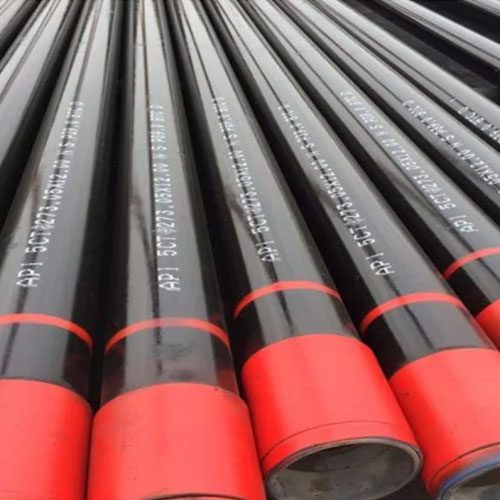
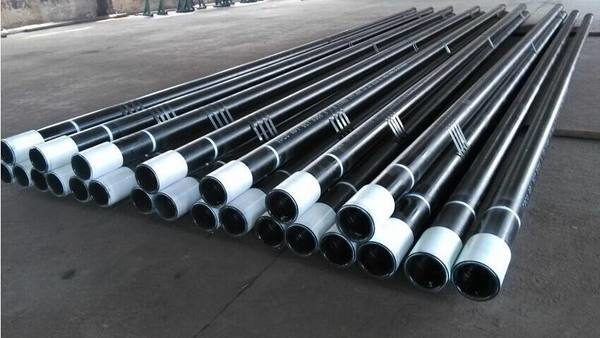
api 5ct R95 CASING Best china FactoryEffective communication and collaboration among stakeholders are essential for successful capital budgeting in the oil casing industry. Cross-functional teams comprising finance, operations, and procurement professionals must work together to analyze costs, evaluate investment options, and make informed decisions. By fostering a collaborative environment, companies can leverage diverse expertise and perspectives to optimize capital budgeting outcomes.
In conclusion, cost analysis and decision-making are integral components of supply chain capital budgeting in the oil casing industry. By conducting a comprehensive evaluation of costs, assessing investment options, optimizing operational efficiency, managing risks, and promoting collaboration, companies can make strategic capital investments that drive profitability and sustainable growth. Through diligent planning and informed decision-making, organizations can navigate the complexities of the oil casing supply chain and achieve long-term success in the industry.
Risk Management Strategies for Capital Budgeting in Oil Casing Supply Chain
Capital budgeting plays a crucial role in the oil casing supply chain industry. When it comes to managing the financial aspects of projects within this sector, risk management strategies are essential for ensuring the success and sustainability of operations. In the context of oil casing supply chains, capital budgeting decisions can have far-reaching implications on the overall efficiency and profitability of the business.
One of the key considerations in capital budgeting for oil casing supply chains is the evaluation of risks associated with various investment options. Given the volatile nature of the oil and gas industry, it is imperative to assess and mitigate risks effectively to protect the financial health of the organization. Risk management strategies help in identifying potential threats and uncertainties that could impact the capital budgeting decisions.
In the oil casing supply chain, risks can arise from factors such as fluctuating oil Prices, geopolitical instability, regulatory changes, and supply chain disruptions. These risks can have a significant impact on the cash flows and profitability of projects. By incorporating risk management strategies into the capital budgeting process, companies can make more informed decisions that take into account the uncertainties inherent in the industry.
One approach to managing risks in capital budgeting for oil casing supply chains is scenario analysis. This technique involves evaluating different scenarios based on varying assumptions and parameters to assess the potential outcomes of investment decisions. By considering a range of possible scenarios, companies can better understand the risks involved and develop contingency plans to mitigate adverse effects.
Another important risk management strategy is sensitivity analysis, which involves examining how changes in key variables such as oil prices, production costs, and demand levels can impact the financial viability of projects. By conducting sensitivity analysis, companies can identify the most critical factors influencing the success of capital budgeting decisions and adjust their strategies accordingly.
Furthermore, diversification of investments is a key risk management strategy for oil casing supply chains. By spreading investments across different projects, regions, or products, companies can reduce their exposure to specific risks and enhance the overall resilience of their portfolio. Diversification helps in minimizing the impact of unforeseen events on the financial performance of the organization.
In addition to diversification, risk-sharing mechanisms such as insurance and hedging can also play a vital role in managing risks in capital budgeting for oil casing supply chains. These tools provide protection against potential losses due to adverse events and help in stabilizing cash flows in volatile market conditions. By leveraging risk-sharing instruments, companies can safeguard their investments and ensure continuity in operations.
In conclusion, risk management strategies are indispensable in the capital budgeting process for oil casing supply chains. By proactively identifying and addressing risks, companies can make sound investment decisions that support long-term growth and sustainability. Through techniques such as scenario analysis, sensitivity analysis, diversification, and risk-sharing mechanisms, organizations can navigate the uncertainties of the oil and gas industry with greater confidence and resilience.