রাসায়নিক রচনার বৈচিত্র্য
API 5L এবং api 5ct বিভিন্ন শিল্পে ব্যবহৃত ইস্পাত পাইপের জন্য দুটি সাধারণ বৈশিষ্ট্য। যদিও উভয় স্পেসিফিকেশন পাইপের গুণমান এবং কার্যকারিতা নিশ্চিত করার জন্য ডিজাইন করা হয়েছে, তাদের মধ্যে কিছু মূল পার্থক্য রয়েছে, বিশেষ করে তাদের রাসায়নিক গঠনের ক্ষেত্রে।
API 5L পাইপগুলি প্রাথমিকভাবে পেট্রোলিয়াম শিল্পে তেল এবং গ্যাস পরিবহনের জন্য ব্যবহৃত হয়। এই পাইপগুলি উচ্চ চাপ এবং তাপমাত্রার অবস্থা সহ্য করার জন্য ডিজাইন করা হয়েছে, যা দীর্ঘ দূরত্বে তেল এবং গ্যাস বহনকারী পাইপলাইনে ব্যবহারের জন্য তাদের আদর্শ করে তোলে। API 5L পাইপগুলির রাসায়নিক সংমিশ্রণ সাবধানে নিয়ন্ত্রিত হয় যাতে তারা প্রয়োজনীয় যান্ত্রিক বৈশিষ্ট্যগুলি পূরণ করে, যেমন প্রসার্য শক্তি, ফলন শক্তি এবং প্রভাবের দৃঢ়তা৷ এবং তেলের কূপের নল। এই পাইপগুলি ওয়েলবোরকে রক্ষা করতে এবং জলাধার থেকে তেল ও গ্যাসের দক্ষ নিষ্কাশন নিশ্চিত করতে ব্যবহৃত হয়। এপিআই 5সিটি পাইপের রাসায়নিক গঠনও ঘনিষ্ঠভাবে পর্যবেক্ষণ করা হয় যাতে তেল এবং গ্যাস কূপের সম্মুখীন হওয়া কঠোর অবস্থার প্রতিরোধ করার জন্য তাদের প্রয়োজনীয় শক্তি এবং জারা প্রতিরোধ ক্ষমতা রয়েছে।
API 5L এবং API 5CT পাইপের মধ্যে একটি মূল পার্থক্য হল কার্বন সামগ্রী। API 5L পাইপগুলিতে সাধারণত API 5CT পাইপের তুলনায় কার্বনের পরিমাণ বেশি থাকে, যা তাদের আরও শক্তি এবং কঠোরতা দেয়। এই উচ্চতর কার্বন উপাদান API 5L পাইপকে ক্ষয় প্রতিরোধী করে তোলে, যা তেল এবং গ্যাসের মতো ক্ষয়কারী পদার্থের সংস্পর্শে আসা পাইপলাইনগুলির জন্য গুরুত্বপূর্ণ৷ এবং ঝালাই করা সহজ। এই নিম্ন কার্বন সামগ্রীও API 5CT পাইপগুলিকে হাইড্রোজেন ক্ষরণের জন্য কম সংবেদনশীল করে তোলে, তেল এবং গ্যাস কূপের একটি সাধারণ সমস্যা যা বিপর্যয়কর ব্যর্থতার দিকে পরিচালিত করতে পারে।
API 5L এবং API 5CT পাইপের মধ্যে আরেকটি গুরুত্বপূর্ণ পার্থক্য হল অতিরিক্ত সংকর উপাদানের উপস্থিতি। API 5L পাইপগুলিতে ম্যাঙ্গানিজ, সিলিকন এবং সালফারের মতো উপাদান থাকতে পারে যা তাদের যান্ত্রিক বৈশিষ্ট্যগুলিকে উন্নত করতে এবং তাদের ক্ষয় প্রতিরোধ ক্ষমতা বাড়াতে পারে। বিপরীতে, এপিআই 5সিটি পাইপগুলিতে উচ্চ-চাপ এবং উচ্চ-তাপমাত্রার পরিবেশে তাদের শক্তি এবং দৃঢ়তা উন্নত করার জন্য ক্রোমিয়াম, মলিবডেনাম এবং নিকেলের মতো উপাদান থাকতে পারে। বিভিন্ন অ্যাপ্লিকেশন এবং কর্মক্ষমতা প্রয়োজনীয়তা। API 5L পাইপগুলি পাইপলাইনে ব্যবহারের জন্য ডিজাইন করা হয়েছে যা দীর্ঘ দূরত্বে তেল এবং গ্যাস পরিবহন করে, যখন API 5CT পাইপগুলি তেল কূপের আবরণ এবং নলগুলিতে ব্যবহারের জন্য ডিজাইন করা হয়েছে। এই পাইপগুলির রাসায়নিক সংমিশ্রণ সাবধানে নিয়ন্ত্রণ করে, নির্মাতারা নিশ্চিত করতে পারে যে তারা তাদের উদ্দিষ্ট অ্যাপ্লিকেশনগুলির নির্দিষ্ট চাহিদা পূরণ করে এবং ক্ষেত্রে নির্ভরযোগ্য এবং দক্ষ কর্মক্ষমতা প্রদান করে।
200 ডিগ্রি তেল প্রতিরোধী ফ্লুরোরুবার তাপ সঙ্কুচিত টিউবিং
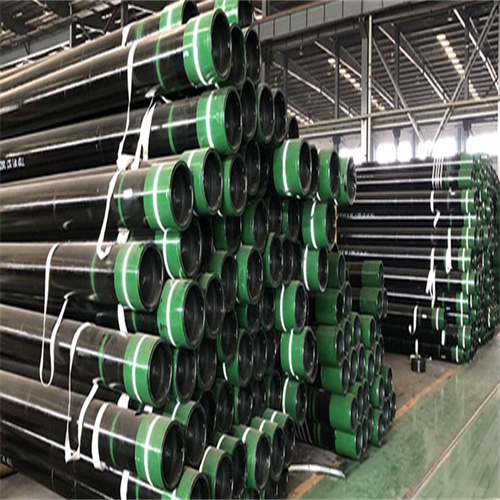 অ্যাপ্লিকেশন এবং ব্যবহারের পার্থক্য
এপিআই 5এল এবং এপিআই 5সিটি পাইপের মধ্যে একটি মূল পার্থক্য হল তাদের উদ্দিষ্ট অ্যাপ্লিকেশন। যদিও API 5L পাইপগুলি দীর্ঘ দূরত্বে তরল পরিবহনের জন্য ব্যবহৃত হয়, API 5CT পাইপগুলি তেল ও গ্যাস কূপের নির্মাণ ও পরিচালনায় ব্যবহৃত হয়। এর মানে হল যে দুটি স্পেসিফিকেশনের শক্তি, স্থায়িত্ব এবং জারা প্রতিরোধের ক্ষেত্রে আলাদা প্রয়োজনীয়তা রয়েছে।
API 5L পাইপগুলি উচ্চ চাপ এবং তাপমাত্রার অবস্থা সহ্য করার জন্য ডিজাইন করা হয়েছে, যা দীর্ঘ দূরত্বে তেল এবং গ্যাস পরিবহনকারী পাইপলাইনে ব্যবহারের জন্য উপযুক্ত করে তোলে। . এই পাইপগুলি সাধারণত কার্বন ইস্পাত থেকে তৈরি হয় এবং বিভিন্ন গ্রেডে পাওয়া যায়, যেমন A, B, X42, X46, X52, X56, X60, X65, X70, এবং X80। প্রতিটি গ্রেডের নির্দিষ্ট যান্ত্রিক বৈশিষ্ট্য রয়েছে যা একে বিভিন্ন অ্যাপ্লিকেশনের জন্য উপযোগী করে তোলে। এই পাইপগুলি সাধারণত কার্বন বা অ্যালয় স্টিল থেকে তৈরি হয় এবং বিভিন্ন গ্রেডে পাওয়া যায়, যেমন H40, J55, K55, N80, l80, C90, T95, P110, Q125 এবং V150। প্রতিটি গ্রেডের রাসায়নিক গঠন, যান্ত্রিক বৈশিষ্ট্য এবং তাপ চিকিত্সার জন্য নির্দিষ্ট প্রয়োজনীয়তা রয়েছে যাতে তেল এবং গ্যাস কূপে ব্যবহারের জন্য উপযুক্ততা নিশ্চিত করা যায়। এপিআই 5L পাইপ সাধারণত বিজোড় বা ঢালাই কৌশল ব্যবহার করে উত্পাদিত হয়, পাইপের আকার এবং প্রয়োগের উপর নির্ভর করে। একটি ফাঁপা টিউব তৈরি করার জন্য স্টিলের একটি শক্ত বিলেটে ছিদ্র করে বিজোড় পাইপ তৈরি করা হয়, যখন ঢালাই করা পাইপ দুটি বা ততোধিক স্টিলের টুকরো একসঙ্গে ঢালাই করে তৈরি করা হয়। তেল এবং গ্যাস কূপের কঠোর পরিস্থিতিতে তাদের শক্তি এবং সততা। এই পাইপগুলিকে ক্ষেত্রে তাদের গুণমান এবং নির্ভরযোগ্যতা নিশ্চিত করার জন্য কঠোর পরীক্ষা এবং পরিদর্শন করা হয়। স্থায়িত্ব, এবং জারা প্রতিরোধের. তেল এবং গ্যাস শিল্পে একটি নির্দিষ্ট প্রয়োগের জন্য সঠিক পাইপ নির্বাচন করার জন্য দুটি নির্দিষ্টকরণের মধ্যে পার্থক্য বোঝা অপরিহার্য।
API 5L and API 5CT are two common specifications for Steel Pipes used in various industries. While they may sound similar, there are significant Differences between the two that are important to understand when selecting the right pipe for a specific application.
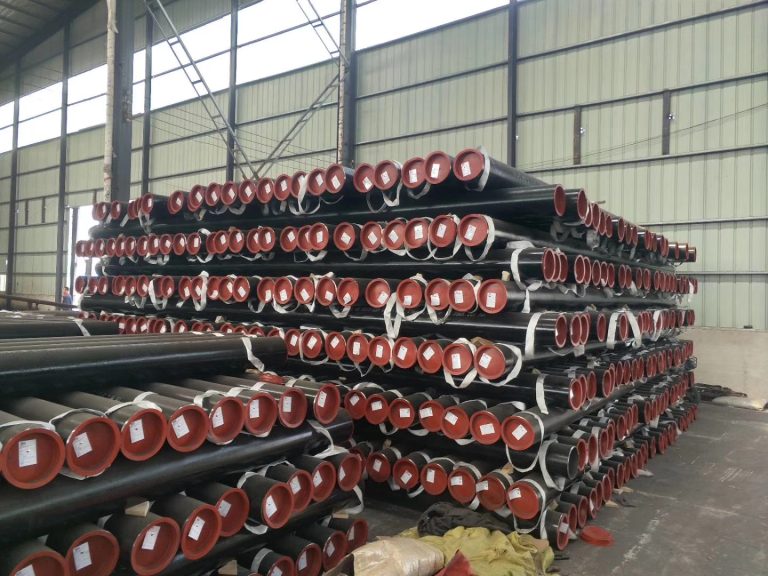
china Casing Tube SuppliersAPI 5L is a specification for seamless and Welded Steel Pipes used in the transportation of natural Gas, Oil, and other fluids. It covers both seamless and Welded Pipes that are suitable for use in conveying gas, water, and oil. These Pipes are typically used in the Oil and Gas industry for transporting fluids over long distances.
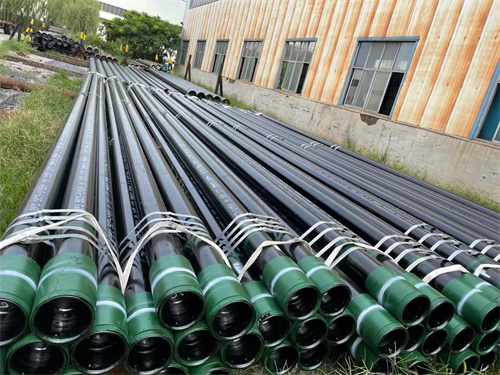
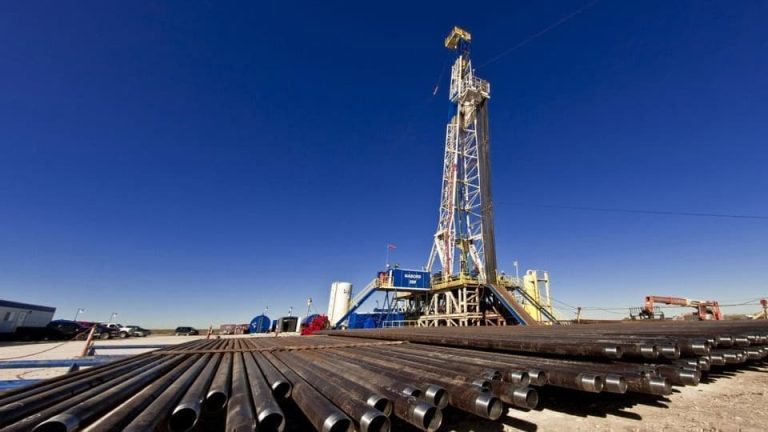
On the other hand, API 5CT is a specification for casing and Tubing used in the exploration and production of oil and gas wells. Casing is a steel pipe that is inserted into a drilled well to protect the wellbore from collapsing and to allow for the extraction of oil or gas. Tubing, on the other hand, is a smaller pipe that is inserted into the casing to transport the extracted fluids to the surface.
One of the key differences between API 5L and API 5CT Pipes is their intended application. While API 5L pipes are used for transporting fluids over long distances, API 5CT pipes are used in the Construction and operation of oil and gas wells. This means that the two specifications have different requirements in terms of strength, durability, and Corrosion resistance.
API 5L pipes are designed to withstand high pressure and temperature conditions, making them suitable for use in pipelines that transport oil and gas over long distances. These pipes are typically made from Carbon steel and are available in various grades, such as A, B, X42, X46, X52, X56, X60, X65, X70, and X80. Each grade has specific mechanical properties that make it suitable for different applications.
On the other hand, API 5CT pipes are designed to withstand the harsh conditions encountered in oil and gas wells, such as high pressure, high temperature, and corrosive environments. These pipes are typically made from carbon or alloy steel and are available in various grades, such as H40, J55, K55, N80, L80, C90, T95, P110, Q125, and V150. Each grade has specific requirements for chemical composition, mechanical properties, and heat treatment to ensure its suitability for use in oil and gas wells.
In addition to their different applications, API 5L and API 5CT pipes also have different manufacturing processes. API 5L pipes are typically produced using seamless or welded techniques, depending on the size and application of the pipe. Seamless Pipes are made by piercing a solid billet of steel to create a hollow tube, while welded pipes are made by welding together two or more pieces of steel.
On the other hand, API 5CT pipes are typically produced using seamless techniques to ensure their strength and integrity in the harsh conditions of oil and gas wells. These pipes are subjected to rigorous testing and inspection to ensure their quality and reliability in the field.
In conclusion, while API 5L and API 5CT pipes may sound similar, they are designed for different applications and have different requirements in terms of strength, durability, and corrosion resistance. Understanding the differences between the two specifications is essential for selecting the right pipe for a specific application in the oil and gas industry.