সরবরাহ এবং চাহিদা ভারসাম্যহীনতা
ভূ-রাজনৈতিক অস্থিরতা
ইস্পাত টিউব চীনা সেরা সরবরাহকারী
অর্থনৈতিক কারণ
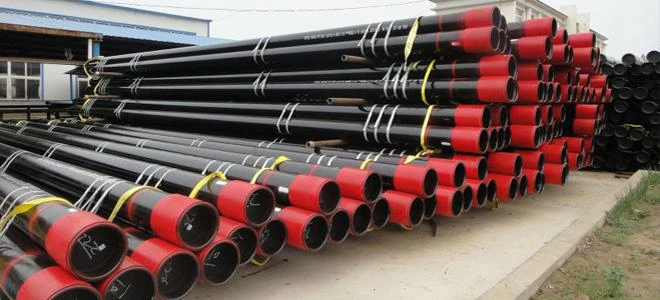
সরবরাহ-পার্শ্বের কারণগুলিও তেলের আবরণের দামের উপর উল্লেখযোগ্য প্রভাব ফেলে। কাঁচামালের প্রাপ্যতা, বিশেষ করে ইস্পাত, যা তেলের আবরণের একটি প্রাথমিক উপাদান, খনির আউটপুট, বাণিজ্য রুটকে প্রভাবিত করে ভূ-রাজনৈতিক উত্তেজনা বা বৈশ্বিক ইস্পাত উৎপাদন ক্ষমতার পরিবর্তনের মতো কারণগুলির কারণে ওঠানামা করতে পারে। সরবরাহের পরিবর্তনগুলি সরবরাহ এবং চাহিদার মধ্যে ভারসাম্যকে ব্যাহত করতে পারে, যার ফলে বাজারের অংশগ্রহণকারীরা তাদের প্রত্যাশা এবং কৌশলগুলি পুনঃনির্মাণ করে দামের ওঠানামা করতে পারে। প্রধান তেল-উৎপাদনকারী অঞ্চলে রাজনৈতিক অস্থিরতা, তেল-রপ্তানিকারক দেশগুলিকে প্রভাবিত করে নিষেধাজ্ঞা, বা শক্তি অনুসন্ধান নিয়ন্ত্রণকারী নিয়ন্ত্রক কাঠামোর পরিবর্তনগুলি সরবরাহ চেইন এবং উত্পাদন সময়সূচীকে ব্যাহত করতে পারে, সরাসরি তেলের খাপের প্রাপ্যতা এবং খরচকে প্রভাবিত করে। অধিকন্তু, কার্বন নিঃসরণ কমানো বা নবায়নযোগ্য শক্তির উত্সের প্রচারের লক্ষ্যে পরিবেশগত বিধিবিধান এবং নীতিগুলি তেলের জন্য দীর্ঘমেয়াদী চাহিদা পূর্বাভাসকে প্রভাবিত করতে পারে এবং ফলস্বরূপ, তেলের আবরণগুলির জন্য৷ . তেল শিল্প মূলধন-নিবিড়, অনুসন্ধান, উৎপাদন এবং অবকাঠামোতে যথেষ্ট বিনিয়োগের প্রয়োজন। আর্থিক বাজারের ওঠানামা, যেমন সুদের হারে পরিবর্তন বা বিনিয়োগকারীদের আস্থার পরিবর্তন, তেল প্রকল্পের জন্য মূলধনের প্রাপ্যতাকে প্রভাবিত করতে পারে এবং ড্রিলিং রিগ স্থাপন এবং তেল ক্যাসিং কেনার বিষয়ে সিদ্ধান্তগুলিকে প্রভাবিত করতে পারে।
প্রযুক্তিগত অগ্রগতি উভয়ই একটি সুযোগের প্রতিনিধিত্ব করে এবং তেল আবরণ বাজারের জন্য একটি চ্যালেঞ্জ. ড্রিলিং কৌশলগুলিতে উদ্ভাবন, যেমন অনুভূমিক তুরপুন এবং হাইড্রোলিক ফ্র্যাকচারিং, পূর্বের দুর্গম মজুদ থেকে তেল উত্তোলনের সম্ভাবনাকে প্রসারিত করেছে। যদিও এই অগ্রগতিগুলি অপ্রচলিত ড্রিলিং পদ্ধতির জন্য ডিজাইন করা বিশেষ তেলের আবরণগুলির চাহিদা বাড়াতে পারে, তারা ভবিষ্যতের প্রযুক্তিগত উন্নয়ন এবং দীর্ঘমেয়াদী তেলের চাহিদা এবং বাজারের স্থিতিশীলতার জন্য তাদের প্রভাব সম্পর্কিত অনিশ্চয়তার পরিচয় দেয়। অর্থনৈতিক কারণগুলির একটি জটিল ইন্টারপ্লে দ্বারা চালিত হয় যা সরবরাহ এবং চাহিদা উভয় গতিশীলতাকে প্রভাবিত করে। বৈশ্বিক অর্থনৈতিক প্রবণতা এবং ভূ-রাজনৈতিক ইভেন্ট থেকে প্রযুক্তিগত অগ্রগতি এবং আর্থিক বাজারের ওঠানামা, প্রতিটি ফ্যাক্টর তেল আবরণ বাজারে পরিলক্ষিত অস্থিরতায় অনন্যভাবে অবদান রাখে। বাজারের অনিশ্চয়তাগুলিকে কার্যকরভাবে নেভিগেট করতে এবং বিনিয়োগ, উৎপাদন কৌশল এবং ঝুঁকি ব্যবস্থাপনা অনুশীলনের বিষয়ে জ্ঞাত সিদ্ধান্ত নিতে শক্তি সেক্টরের স্টেকহোল্ডারদের জন্য এই কারণগুলি বোঝা অপরিহার্য। বৈশ্বিক অর্থনীতি যেমন বিকশিত হতে থাকে, তেমনই এই গুরুত্বপূর্ণ শিল্পে স্থিতিশীলতা বজায় রাখতে চলমান বিশ্লেষণ এবং অভিযোজনের গুরুত্বের ওপর জোর দিয়ে তেল আবরণ বাজারের গতিশীলতাকে প্রভাবিত করে।
Moreover, geopolitical events beyond the control of individual nations, such as international conflicts or diplomatic crises, can have far-reaching effects on Oil Prices. Instances of global unrest, terrorist attacks on oil infrastructure, or international sanctions affecting major oil-producing nations can create sudden shocks to the oil market, causing prices to spike due to fears of supply disruptions.
Another critical aspect contributing to oil market instability is geopolitical alliances and agreements among oil-producing nations. Organizations like OPEC (Organization of the Petroleum Exporting Countries) and its allies (OPEC+) play a pivotal role in regulating global oil supply through production quotas and agreements. The decisions made by these alliances, influenced by geopolitical considerations among member states, can significantly impact oil prices. Disputes or disagreements within these organizations regarding production levels or market strategies can lead to uncertainty and volatility in oil prices.
Furthermore, the geopolitical strategies of major oil-consuming nations also influence market dynamics. Policies related to energy independence, diversification of energy sources, or diplomatic engagements with oil-producing countries shape long-term supply and demand expectations in the oil market. For instance, shifts towards renewable energy sources or advancements in energy efficiency technologies can reduce global oil demand projections, affecting market prices.
In conclusion, the instability in Oil Casing market prices is primarily driven by geopolitical factors that influence global oil supply and demand dynamics. Political unrest in key oil-producing regions, geopolitical rivalries among major oil-producing nations, international conflicts, and diplomatic crises all contribute to uncertainty and volatility in the oil market. Geopolitical alliances and agreements, along with the energy policies of major consumer nations, further complicate market dynamics. Understanding these geopolitical factors is crucial for stakeholders in the Oil and Gas industry to anticipate and mitigate risks associated with fluctuating oil casing Prices. By monitoring geopolitical developments and their potential impacts on oil markets, stakeholders can better navigate the complexities of the global energy landscape.
Economic Factors
The oil casing market, a critical component of the energy sector, is significantly influenced by a complex interplay of economic factors that contribute to its price instability. Understanding these factors requires a comprehensive analysis of global economic dynamics and their specific impacts on the oil industry.
At its core, the price of oil casing is intricately linked to the broader market forces of supply and demand. The global demand for oil, driven primarily by economic growth and industrial activity, plays a pivotal role in determining the need for oil casing. During periods of robust economic expansion, such as r APId industrialization in emerging markets or increased infrastructure development, the demand for oil casing tends to rise as oil exploration and production activities escalate.
Conversely, economic downturns or recessions can lead to a decrease in oil demand, directly impacting the need for new Oil Wells and, consequently, the demand for oil casing. This cyclicality in demand creates inherent volatility in oil casing prices, as Suppliers and Manufacturers adjust their production levels in response to fluctuating market conditions.
Supply-side factors also exert significant influence over oil casing prices. The availability of raw Materials, particularly Steel, which is a primary component of oil casings, can fluctuate due to factors such as mining output, geopolitical tensions affecting trade routes, or shifts in global steel production capacities. Changes in supply can disrupt the equilibrium between supply and demand, leading to price fluctuations as market participants recalibrate their expectations and strategies.
Geopolitical events and regulatory decisions further contribute to instability in the oil casing market. Political instability in major oil-producing regions, sanctions affecting oil-exporting countries, or changes in regulatory frameworks governing energy exploration can disrupt supply chains and production schedules, directly impacting the availability and cost of oil casings. Moreover, environmental regulations and policies aimed at reducing carbon emissions or promoting renewable energy sources can influence long-term demand forecasts for oil and, consequently, for oil casings.
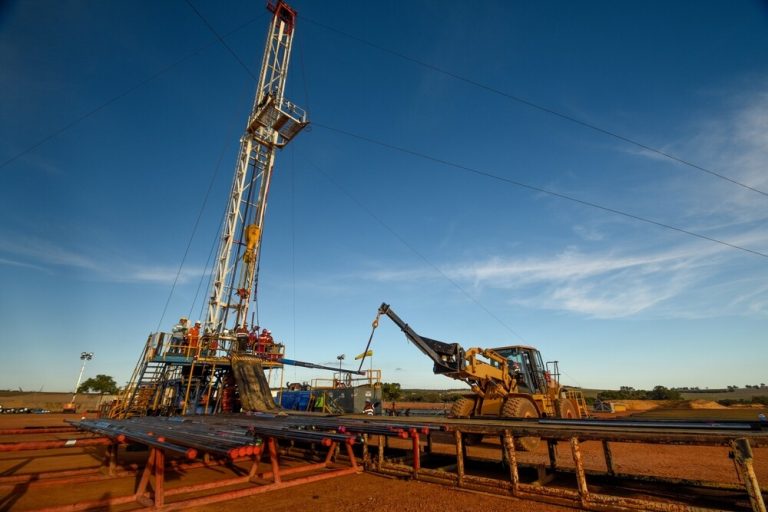
Financial markets and investor sentiment also play a crucial role in shaping oil casing prices. The oil industry is capital-intensive, requiring substantial investments in exploration, production, and infrastructure. Fluctuations in financial markets, such as changes in interest rates or shifts in investor confidence, can impact the availability of capital for oil projects and influence decisions regarding the deployment of Drilling Rigs and the purchase of oil casings.
Technological advancements represent both an opportunity and a challenge for the oil casing market. innovations in drilling techniques, such as horizontal drilling and hydraulic fracturing, have expanded the potential for oil extraction from previously inaccessible reserves. While these advancements can increase the demand for specialized oil casings designed for unconventional drilling methods, they also introduce uncertainties regarding future technological developments and their implications for long-term oil demand and market stability.
In conclusion, the instability in oil casing market prices is driven by a complex interplay of economic factors that influence both supply and demand dynamics. From global economic trends and geopolitical events to technological advancements and financial market fluctuations, each factor contributes uniquely to the volatility observed in the oil casing market. Understanding these factors is essential for stakeholders in the energy sector to navigate market uncertainties effectively and make informed decisions regarding investments, production strategies, and risk management practices. As the global economy contiNues to evolve, so too will the factors influencing the dynamics of the oil casing market, underscoring the importance of ongoing analysis and adaptation to maintain stability in this critical industry.