ওয়েল টিউবিং এবং কেসিং বোঝা: পার্থক্য অন্বেষণ
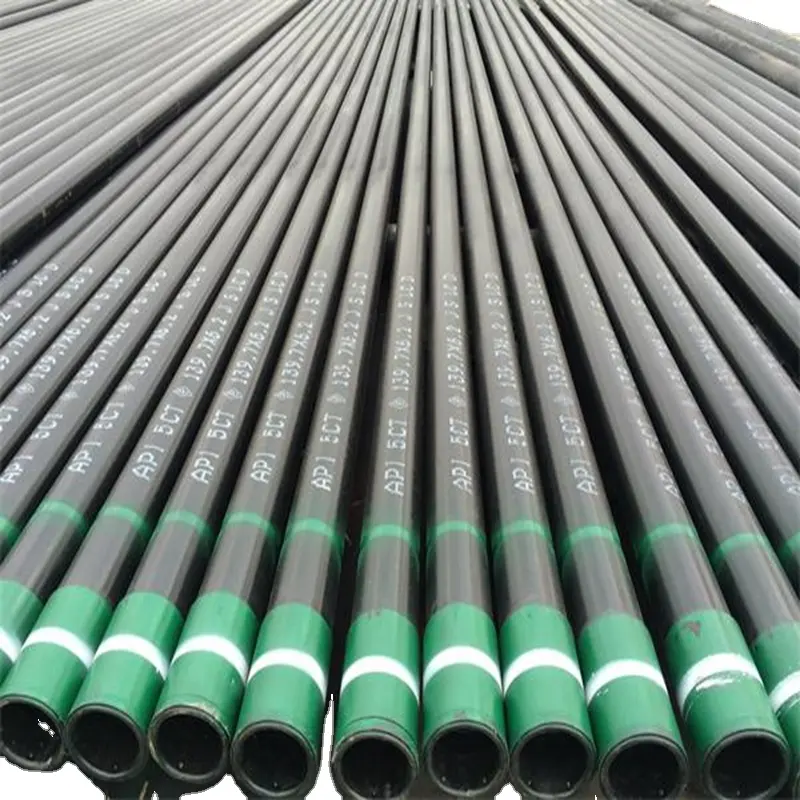
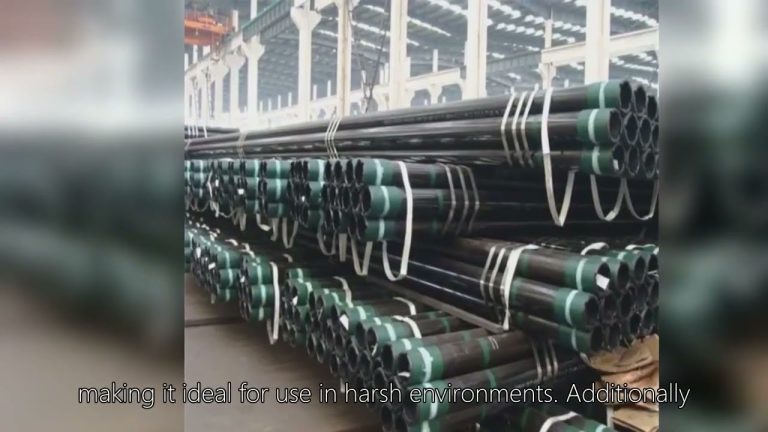
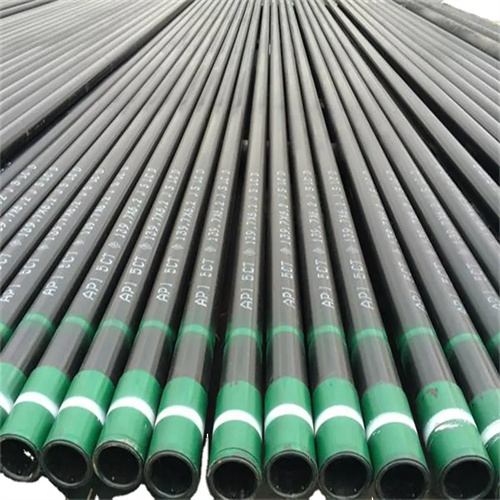
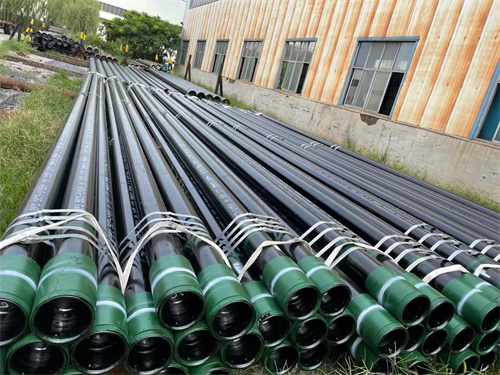
শুরু করার জন্য, আসুন ভাল টিউবিংয়ের উদ্দেশ্যটি অন্বেষণ করি। ওয়েল টিউবিং হল একটি পাইপ যা তেল বা গ্যাস নিষ্কাশনের সুবিধার্থে ওয়েলবোরে ঢোকানো হয়। এটি একটি নালী হিসাবে কাজ করে, যা জলাধার থেকে তরলকে পৃষ্ঠে প্রবাহিত করতে দেয়। টিউবিংটি সাধারণত ইস্পাত দিয়ে তৈরি হয় এবং বিভিন্ন কূপের গভীরতা এবং উৎপাদনের প্রয়োজনীয়তা মিটমাট করার জন্য বিভিন্ন আকার এবং দৈর্ঘ্যে পাওয়া যায়। এর প্রাথমিক কাজ হল কূপের দেয়ালকে সমর্থন প্রদান করার সময় উৎপাদিত তরলগুলিকে পৃষ্ঠে পরিবহন করা। এটি একটি বৃহত্তর-ব্যাসের পাইপ যা কূপের নল দেওয়ার আগে ইনস্টল করা হয় এবং পৃষ্ঠ থেকে কূপের নীচে প্রসারিত হয়। কেসিংটি ওয়েলবোরে স্থিতিশীলতা প্রদানের জন্য ডিজাইন করা হয়েছে এবং এটিকে ভেঙে পড়া বা গুহা থেকে রক্ষা করা হয়েছে৷ উপরন্তু, এটি বিভিন্ন গঠনের মধ্যে তরল স্থানান্তরকে বাধা দেয় এবং ভূগর্ভস্থ জলের উত্সের দূষণ রোধে একটি বাধা হিসাবে কাজ করে৷
ক্যানুলা প্রক্রিয়া,
কেসিং পাইপ, কেসিং ওয়েল পাইপ, কেসিং সুপ্রিম পাইপ, কেসিং বনাম ক্যারিয়ার পাইপ, এসি পাইপের কেসিং, কেসিং স্টিল পাইপ, কেসিং পাইপের আকার, কেসিং পিভিসি পাইপের দাম, কেসিং পাইপ, কেসিং পাইপ সরবরাহকারী চীনে, কেসিং পাইপ, কেসিং ড্রিল পাইপ, ক্যারিয়ার পাইপ, কেসিং পাইপের আকার, বুশিং ফ্ল্যাঞ্জ, বুশিং হাতা, বুশিং, বুশিং আর্ম, বুশিং বিয়ারিং, বুশিং রিডুসার, বুশিং টুল, বুশিং পিভিসি, বুশিং অর্থ
সারসংক্ষেপে, কূপের নল এবং আবরণ হল তেল ও গ্যাস কূপের অবিচ্ছেদ্য উপাদান, প্রতিটি আলাদা উদ্দেশ্যে পরিবেশন করে। ওয়েল টিউবিং একটি নালী হিসাবে কাজ করে, উত্পাদিত তরলগুলিকে পৃষ্ঠে পরিবহন করে, যখন কেসিং কাঠামোগত স্থিতিশীলতা প্রদান করে এবং ওয়েলবোরকে ভেঙে পড়া থেকে বাধা দেয়
– ওয়েল টিউবিংয়ের ভূমিকা অন্বেষণ
যখন তেল এবং গ্যাস কূপের কথা আসে, তখন এই মূল্যবান সম্পদের নিষ্কাশন এবং পরিবহনের জন্য উপাদানগুলির একটি জটিল সিস্টেমের প্রয়োজন হয়, যার প্রত্যেকটির নিজস্ব স্বতন্ত্র ভূমিকা রয়েছে। এই সিস্টেমের দুটি গুরুত্বপূর্ণ উপাদান হল ওয়েল টিউবিং এবং কেসিং। যদিও তারা প্রথম নজরে একই রকম দেখাতে পারে, তারা একটি কূপের সামগ্রিক অপারেশনে বিভিন্ন ফাংশন পরিবেশন করে। এই নিবন্ধে, আমরা কূপের নলগুলির ভূমিকা অন্বেষণ করব এবং টিউবিং এবং কেসিংয়ের মধ্যে পার্থক্যগুলি নিয়ে আলোচনা করব।
জলাশয় থেকে পৃষ্ঠে তেল এবং গ্যাসের উত্পাদন এবং পরিবহনে ওয়েল টিউবিং একটি গুরুত্বপূর্ণ ভূমিকা পালন করে। এটি সংযুক্ত পাইপের একটি সিরিজ যা কূপের নিচ থেকে পৃষ্ঠ পর্যন্ত চলে, যা হাইড্রোকার্বন নিষ্কাশনকে সক্ষম করে। টিউবিং কূপে উপস্থিত চাপ এবং ক্ষয়কারী উপাদানগুলি সহ্য করার জন্য ডিজাইন করা হয়েছে, নিষ্কাশিত সংস্থানগুলির নিরাপদ এবং দক্ষ স্থানান্তর নিশ্চিত করে। উপরন্তু, কূপ টিউবিং কূপকে কাঠামোগত সহায়তা প্রদান করে, বিভিন্ন অপারেটিং অবস্থার অধীনে এর অখণ্ডতা বজায় রাখতে সাহায্য করে। এটি আবরণ এবং নিষ্কাশিত সংস্থানগুলির মধ্যে একটি বাধা হিসাবে কাজ করে, কেসিংয়ের কোনও সম্ভাব্য ক্ষতি প্রতিরোধ করে। তদুপরি, টিউবিং ডাউনহোল সরঞ্জাম এবং সরঞ্জাম স্থাপনের জন্যও অনুমতি দেয়, বিভিন্ন ক্রিয়াকলাপ যেমন ওয়েল হস্তক্ষেপ, লগিং এবং উত্পাদন অপ্টিমাইজেশানের সুবিধা দেয়। কূপ কূপটি ধসে পড়া রোধ করতে এবং কূপের স্থিতিশীলতা এবং নিরাপত্তা নিশ্চিত করার জন্য বিভিন্ন ভূতাত্ত্বিক গঠনকে বিচ্ছিন্ন করতে ড্রিলিং প্রক্রিয়া চলাকালীন কেসিং ইনস্টল করা হয়। এটি বাহ্যিক চাপ থেকেও কূপকে রক্ষা করে এবং বিভিন্ন ভূতাত্ত্বিক স্তরের মধ্যে তরল স্থানান্তরকে বাধা দেয়, যার ফলে দূষণ বা অবাঞ্ছিত তরল চলাচলের ঝুঁকি কম হয়। কেসিংটি জায়গায় হয়ে গেলে, কেসিংটি অবস্থানে সুরক্ষিত করার জন্য এবং কেসিং এবং ওয়েলবোরের মধ্যবর্তী বৃত্তাকার স্থানটি সিল করার জন্য ওয়েলবোরে সিমেন্ট পাম্প করা হয়। এই সিমেন্ট বাধা জোনাল বিচ্ছিন্নতা প্রদান করে, বিভিন্ন অঞ্চলের মধ্যে তরল পদার্থের অবাঞ্ছিত প্রবাহ রোধ করে এবং কূপের সামগ্রিক অখণ্ডতা বৃদ্ধি করে। ওয়েল টিউবিং প্রাথমিকভাবে জলাধার থেকে পৃষ্ঠে তেল এবং গ্যাস পরিবহনের সাথে জড়িত, কেসিংকে কাঠামোগত সহায়তা এবং সুরক্ষা প্রদান করে। অন্যদিকে, কেসিং ওয়েলবোরের অখণ্ডতা বজায় রাখার জন্য, ধসে পড়া রোধ, বিভিন্ন গঠন বিচ্ছিন্ন করা এবং সিমেন্টিং ক্রিয়াকলাপ সহজতর করার জন্য দায়ী। একসাথে, এই দুটি উপাদান কূপ ব্যবস্থার একটি অবিচ্ছেদ্য অংশ গঠন করে, তেল ও গ্যাস সম্পদের নিরাপদ, দক্ষ এবং টেকসই নিষ্কাশন নিশ্চিত করতে একসাথে কাজ করে
In summary, well Tubing and Casing are integral components of Oil and Gas wells, each serving distinct purposes. Well tubing acts as a conduit, transporting produced fluids to the surface, while casing provides structural stability and prevents the wellbore from collapsing
– Exploring the Role of Well Tubing
When it comes to oil and gas wells, the extraction and transportation of these valuable resources require a complex system of components, each with its own distinct role. Two critical elements in this system are well tubing and casing. While they may appear similar at first glance, they serve different functions in the overall operation of a well. In this article, we will explore the role of well tubing and discuss the Differences between tubing and casing.
Well tubing plays a crucial role in the production and transportation of oil and gas from the reservoir to the surface. It is a series of connected Pipes that run from the bottom of the well to the surface, enabling the extraction of hydrocarbons. Tubing is designed to withstand the pressure and corrosive elements present in the well, ensuring the safe and efficient transfer of the extracted resources. Additionally, well tubing provides structural support to the well, helping to maintain its integrity under various operating conditions.
One of the primary functions of well tubing is to protect the casing from the corrosive effects of the produced fluids. It acts as a barrier between the casing and the extracted resources, preventing any potential damage to the casing. Furthermore, tubing also allows for the installation of downhole Tools and equipment, facilitating various operations such as well intervention, logging, and production optimization.
In contrast, casing serves as the primary structural component of the well, providing essential support and integrity to the wellbore. Casing is installed during the drilling process to prevent the collapse of the wellbore and to isolate different geological formations, ensuring the stability and safety of the well. It also protects the well from external pressures and prevents the migration of fluids between different geological layers, thereby minimizing the risk of contamination or unwanted fluid movement.
Another key function of casing is to serve as a conduit for Cementing operations. Once the casing is in place, cement is Pumped into the wellbore to secure the casing in position and to Seal the annular space between the casing and the wellbore. This cement barrier provides zonal isolation, preventing the unwanted flow of fluids between different zones and enhancing the overall integrity of the well.
In summary, the main difference between well tubing and casing lies in their respective roles in the well operation. Well tubing is primarily involved in the transportation of oil and gas from the reservoir to the surface, providing structural support and protection to the casing. On the other hand, casing is responsible for maintaining the integrity of the wellbore, preventing collapse, isolating different formations, and facilitating cementing operations. Together, these two components form an integral part of the well system, working in tandem to ensure the safe, efficient, and sustainable extraction of oil and gas resources