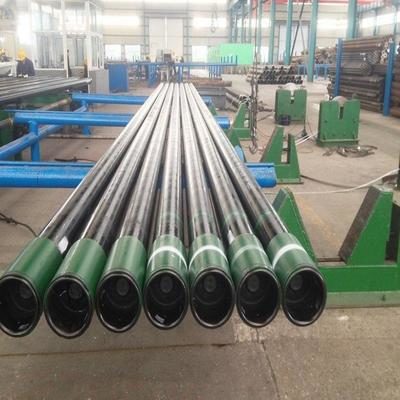
ইস্পাত পাইপ
সেরা চীন প্রস্তুতকারক
উপসংহারে, স্টিলের পাইপ হল কূপ তৈরিতে একটি গুরুত্বপূর্ণ উপাদান, যা ভূগর্ভস্থ পরিবেশের চ্যালেঞ্জ মোকাবেলা করার জন্য প্রয়োজনীয় শক্তি এবং স্থায়িত্ব প্রদান করে। শিল্পের মানগুলির আনুগত্য, উপাদানের বৈশিষ্ট্য এবং নকশার বৈশিষ্ট্যগুলির যত্ন সহকারে, ইস্পাত কেসিং পাইপগুলি তাদের উদ্দিষ্ট অ্যাপ্লিকেশনগুলিতে কার্যকরভাবে কাজ করে তা নিশ্চিত করে। নির্ভরযোগ্য জল এবং সম্পদ আহরণের চাহিদা ক্রমাগত বাড়তে থাকায়, টেকসই এবং দক্ষ কূপ নির্মাণের জন্য সঠিক উপকরণ নির্বাচনের গুরুত্বের উপর জোর দিয়ে, কূপের আবরণে ইস্পাত পাইপের ভূমিকা অপরিহার্য।
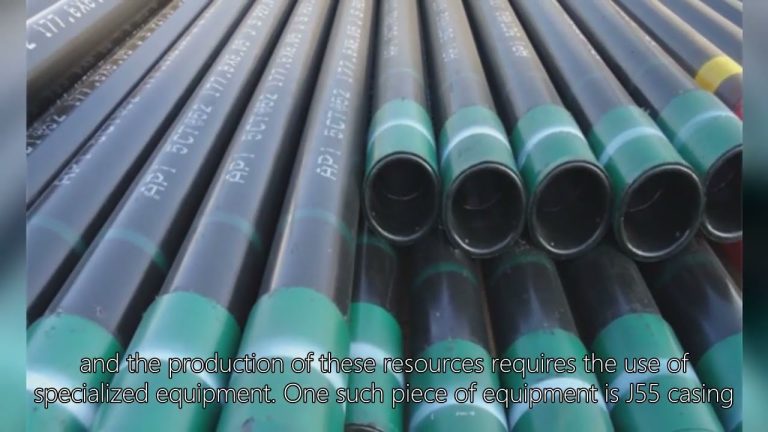
Steel Pipes used for Well Casing are typically manufactured to meet specific standards that ensure their suitability for this application. The American Petroleum Institute ( API) has established guidelines that dictate the specifications for steel casing pipes, including their dimensions, Material properties, and performance criteria. These standards are essential for ensuring that the Pipes can withstand the pressures and environmental conditions they will face once installed. For instance, the api 5ct specification outlines the requirements for casing and Tubing used in Oil and Gas wells, which also applies to water wells in many cases.
The manufacturing process of steel Casing Pipes involves several steps, including the selection of high-quality steel, forming the pipe, and applying protective coatings. The steel used in these pipes is often alloyed with other elements to enhance its mechanical properties, such as tensile strength and ductility. After the pipes are formed, they undergo various treatments to improve their resistance to corrosion, which is particularly important in environments where the presence of water and minerals can lead to rapid degradation of the material.
In addition to Corrosion resistance, the design of steel casing pipes also takes into account the need for proper Sealing and joint integrity. The Connections between sections of casing must be robust to prevent leaks and ensure that the well remains sealed against external contaminants. This is typically achieved through the use of Threaded connections or welded joints, both of which are designed to provide a secure and reliable seal.
Furthermore, the selection of the appropriate Diameter and Wall thickness for the steel casing pipe is critical. The size of the pipe must be compatible with the well’s intended use, whether for water extraction, oil production, or other applications. A thicker wall may be necessary in deeper wells where the pressure is greater, while a smaller diameter may suffice for shallower wells. The decision regarding the specifications of the casing pipe is often influenced by factors such as the geological conditions of the site, the depth of the well, and the expected load on the casing.
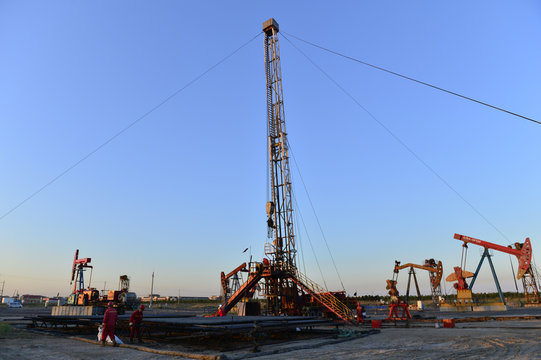 In conclusion, steel pipe is a vital component in the Construction of well casings, providing the necessary strength and durability to withstand the challenges of underground environments. The adherence to industry standards, along with careful consideration of material properties and design specifications, ensures that steel casing pipes perform effectively in their intended applications. As the demand for reliable water and resource extraction contiNues to grow, the role of steel pipe in well casing remains indispensable, underscoring the importance of selecting the right materials for sustainable and efficient well construction.