**Exploring Casing types: A Comprehensive Guide**
The realm of petroleum engineering is marked by the application of various technologies and methodologies. One fundamental concept within this sphere is the understanding and application of Well Casing. This article dives into the intricacies of casing types, casing seating depth, and casing design, providing an all-encompassing exploration of these pivotal aspects of well Construction.
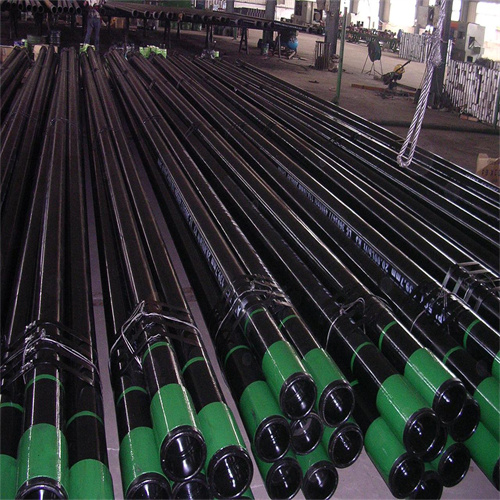
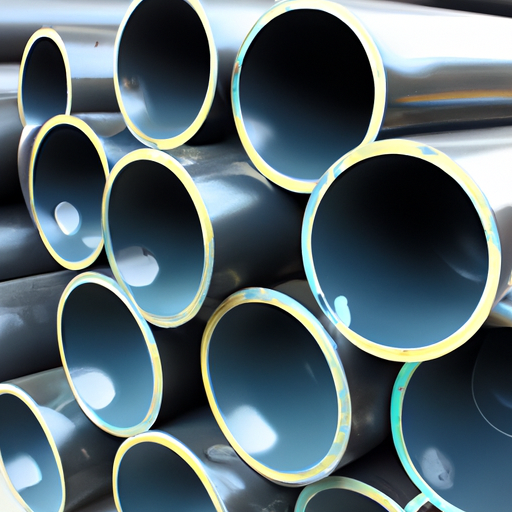
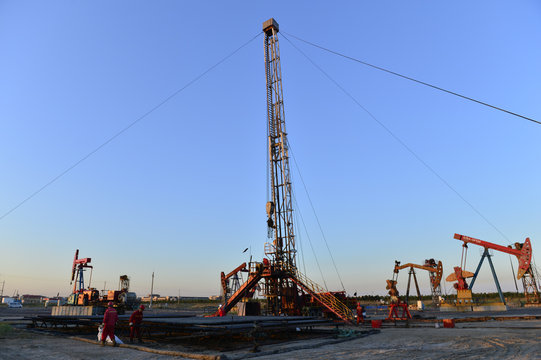
Casing, a large Diameter Pipe, plays an indispensable role in the Oil and Gas industry. It’s inserted into a drilled hole and cemented to stabilize the well structure, providing a pathway for the extraction of hydrocarbons, and preventing the contamination of water sands. The selection of casing types is a decision of paramount significance, given that each type serves a distinct purpose.
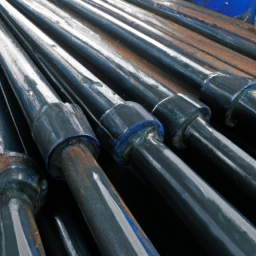
To begin with, conductor casing is used during the initial drilling phases to prevent the topsoil from caving in. surface casing follows, providing protection to freshwater formations from contamination during drilling and production. Intermediate casing is then used to isolate troublesome zones such as tHose with high pressure or those that are prone to losses. Finally, Production casing is set to allow for the completion of the well and the extraction of hydrocarbons.
Unraveling the complexities of casing seating depth is equally crucial. This refers to the point in the well where the casing is set, an aspect that hinges on the geological formation pressures. The casing must be seated deep enough to safely withstand underground pressures while shallow enough to avoid unnecessary cost. Accurate calculation of the casing seating depth is pivotal in preventing blowouts or well collapses.
Casing design, the third pillar of our discussion, is a meticulous process that requires an in-depth understanding of various factors. The design should be robust enough to withstand the different forces exerted on the casing, such as burst, collapse, and tensile strength. Furthermore, the casing design must take into account potential corrosive elements present in the formation, temperature changes, and future well interventions.
The casing’s Material selection is a significant part of the design process. While Steel casings are commonly used due to their strength and resistance to corrosion, other materials such as titanium and plastic are used in more challenging environments. Besides, the casing’s Wall thickness, diameter, and Connection type are also vital considerations in the design process.
In conclusion, the types of casing used, their seating depth, and their design are all fundamental facets of well construction. A deep understanding of these aspects can not only ensure the successful execution of drilling operations but also significantly enhance hydrocarbon recovery. These elements, when considered meticulously, can lead to a well-structured, safe, and efficient well, marking the Difference between a profitable venture and a costly failure. Therefore, these factors demand careful consideration, rigorous planning, and precise execution.
This blog topic will delve into the different types of casing used in various industries, such as oil and gas, construction, and manufacturing. It will explore the characteristics, applications, and advantages of each type, providing readers with a comprehensive understanding of casing types
In the intricate world of industries such as oil and gas, construction, and manufacturing, casing plays a paramount role. It is an element that serves multiple functions, enhancing the safety, efficiency, and durability of an operation. The essence of the casing lies in its variety, its seating depth, and its design, each of which contributes to its overall functionality.
Casing types, first and foremost, are differentiated based on the materials they are made of and the specific roles they play. For instance, the oil and gas industry primarily uses steel casing owing to its strength and resistance to extreme pressure and temperature conditions. The construction industry, on the other hand, often employs plastic or concrete casing to ensure stability and durability.
Furthermore, each casing type possesses unique characteristics that make it suited for a particular application. Steel casing, known for its resistance to corrosion, is the preferred choice for oil and gas wells where it’s crucial to maintain well integrity. Plastic casing, being lightWeight and resistant to chemical reactions, is commonly used in water wells. Concrete casing, recognized for its robustness, is a staple in the construction industry for foundational support.
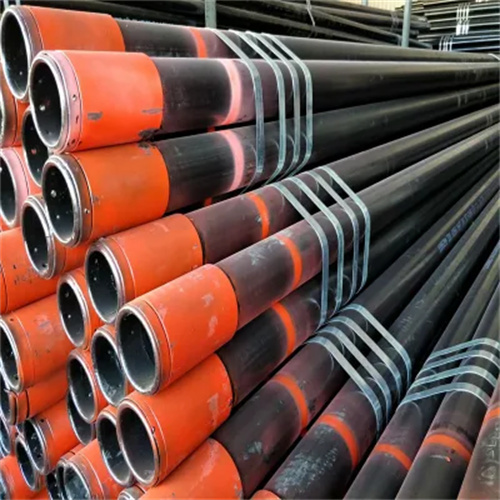
API 5ct N80-Q CASING china Best Exporters
The advantages of each type of casing are numerous and significant. The strength and durability of steel casing prevent wellbore collapse, thus ensuring the safety of oil and gas operations. Similarly, the chemical resistance of plastic casing protects water quality by preventing contamination. Concrete casing, with its load-bearing capacity, provides foundational support, ensuring the stability of structures.
The seating depth of the casing, another key aspect, is determined by the depth at which the casing is set in the well or structure. The optimal seating depth varies depending on factors such as the type of soil or rock, the pressure and temperature conditions, and the intended function of the well or structure. An appropriately chosen casing seating depth not only enhances the efficiency of an operation but also prolongs the lifespan of the casing.
Lastly, casing design is a critical aspect that requires meticulous attention. The design of the casing must be tailored to meet the specific requirements of the operation. For example, the design for a deep Oil Well would need to account for high pressure and temperature conditions, whereas the design for a shallow water well would need to account for soil conditions and potential chemical reactions. A well-thought-out casing design can significantly improve operational efficiency and safety.
Casing Pipe,casing well pipe, casing supreme pipe, casing vs carrier pipe, casing for ac pipe, casing Steel Pipe, casing pipe size, casing pvc pipe Price, casing pipe, casing pipe Suppliers in China, casing capping pipe, casing drill pipe,carrier pipe,casing pipe size,bushing flange,bushing Sleeve,bushing,bushing arm,bushing bearing,bushing reducer,bushing tool,bushing pvc,bushing meaningIn conclusion, the complex world of casing in various industries is defined by its types, seating depth, and design. Each type of casing, with its unique characteristics and advantages, plays an indispensable role in its respective industry. The seating depth and design of the casing further enhance its functionality, contributing to the safety, efficiency, and durability of operations. A comprehensive