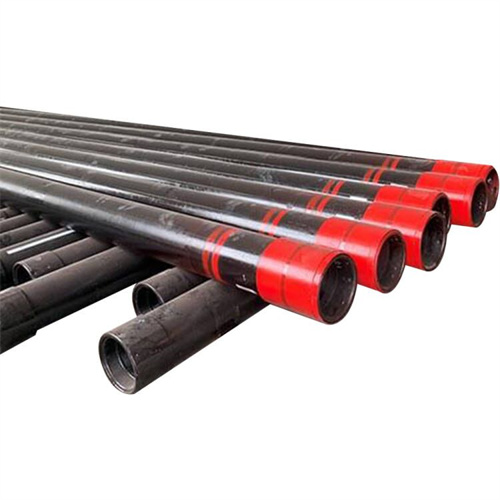
Explorando el uso de tubos de acero en la industria petrolera
Los tubos de acero son un componente crucial en la industria petrolera y proporcionan la columna vertebral para la extracción, transporte y refinación de este producto vital. La elección de la tubería para el transporte de petróleo no es arbitraria. Surge de una combinación de factores que hacen que los tubos de acero tengan una capacidad incomparable para satisfacer las necesidades específicas de la industria petrolera.
Una de las principales razones por las que se utilizan tubos de acero en la industria petrolera es su durabilidad. El acero es un Material robusto y resistente que puede soportar las rigurosas condiciones de extracción y transporte de petróleo. Resiste altas presiones, temperaturas extremas y sustancias corrosivas, todas las cuales son comunes en las operaciones petroleras. La resistencia del acero garantiza que las tuberías puedan cumplir su función durante períodos prolongados sin fallar, brindando confiabilidad que es fundamental para mantener el flujo fluido de petróleo desde los pozos hasta las refinerías y los mercados.
Además de su resistencia, los tubos de acero ofrecen una versatilidad superior. Están disponibles en una amplia gama de tamaños y espesores, lo que permite la personalización según las necesidades específicas de una operación petrolera determinada. Ya sea que el trabajo implique la extracción de petróleo de un pozo profundo en alta mar o el transporte de productos refinados a través de una vasta red de oleoductos, existe una tubería de acero adecuada para la tarea.
La adaptabilidad de las tuberías de acero se extiende a su capacidad para manejar diferentes tipos de petróleo y productos derivados del petróleo. Los diferentes petróleos crudos tienen diferentes composiciones químicas y los productos refinados van desde lubricantes viscosos hasta combustibles volátiles. Debido a su resistencia química, los tubos de acero pueden transportar una amplia variedad de estas sustancias sin sufrir degradación ni causar contaminación.
Además, los tubos de acero son los preferidos en la industria petrolera debido a su soldabilidad. Los tubos de acero se pueden soldar entre sí para formar una tubería continua de cualquier longitud, una característica invaluable en la construcción de oleoductos de larga distancia. La capacidad de crear uniones sin costuras mediante soldadura minimiza el riesgo de fuGas, mejorando la seguridad y la eficiencia del transporte de petróleo.
Por último, a pesar de su resistencia y versatilidad, los tubos de acero son rentables. La longevidad y confiabilidad de las tuberías de acero reducen la necesidad de reemplazos frecuentes, lo que resulta en menores costos a largo plazo. Si bien la inversión inicial puede ser mayor que la de otros materiales, la durabilidad y el rendimiento de los tubos de acero ofrecen retornos sustanciales con el tiempo.
Understanding the Role of Composite Pipes in Oil Transportation
In the realm of oil transportation, the choice of pipe material is crucial for ensuring efficiency, safety, and longevity. Oil, by its nature, is a highly corrosive substance, and the transportation infrastructure must be built to withstand this. Among various types of pipes used, composite pipes have emerged as an increasingly popular choice and have a key role to play.
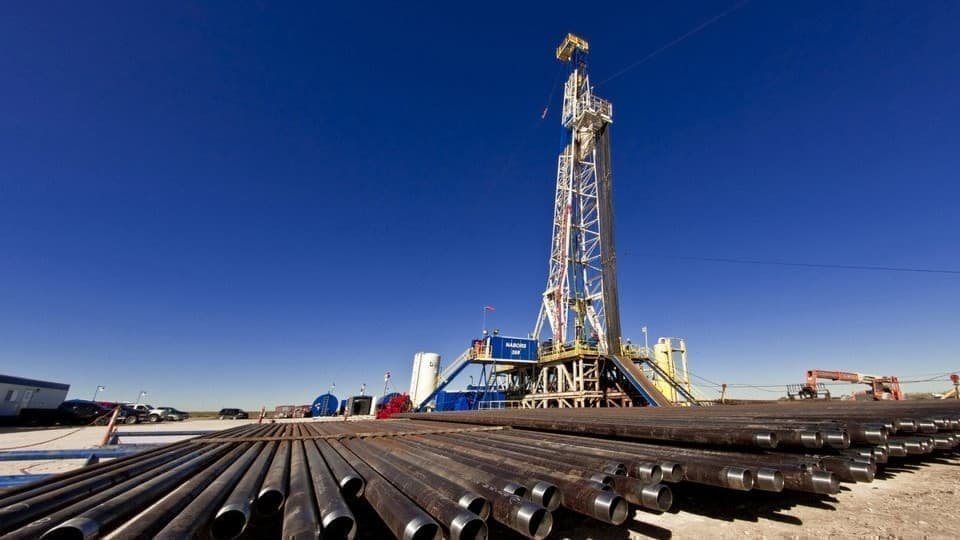
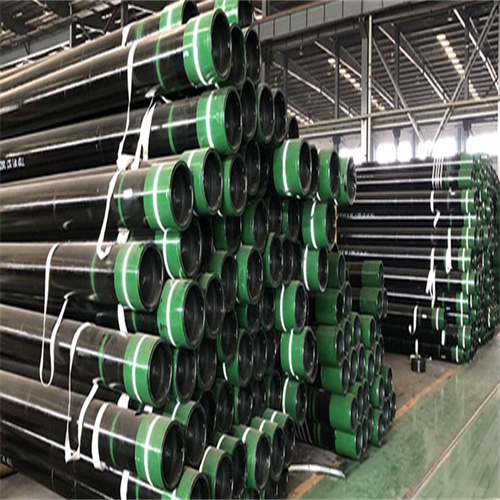 Composite pipes, essentially a blend of different materials, deliver an impressive performance in oil transportation due to their unique characteristics. The composite structure typically consists of an inner layer made of corrosion-resistant material, a middle layer designed for strength, and an outer layer that protects against external damage. This strategic combination results in a pipe that is resistant to corrosion, light in Weight, and robust in structure, making it ideal for transporting a challenging substance like oil.
To begin with, the inner layer of a composite pipe is typically made from a corrosion-resistant material such as plastic or a combination of resin and glass fiber. This layer is in direct contact with the oil and must resist the corrosive properties of the substance over prolonged periods. Moreover, the use of these materials leads to a Smoother inner surface, reducing friction and facilitating more efficient flow of oil.
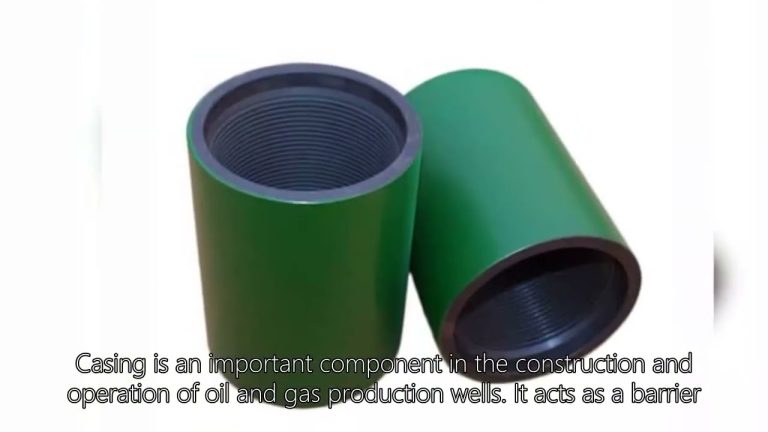
Casing Pipe,casing well pipe, casing supreme pipe, casing vs carrier pipe, casing for ac pipe, casing Steel Pipe, casing pipe size, casing pvc pipe Price, casing pipe, casing pipe Suppliers in china, casing capping pipe, casing drill pipe,carrier pipe,casing pipe size,bushing flange,bushing Sleeve,bushing,bushing arm,bushing bearing,bushing reducer,bushing tool,bushing pvc,bushing meaning
The middle layer, often made from materials like steel or reinforced fibers, is designed to provide strength and durability. It is this layer that enables composite pipes to withstand the high pressure associated with oil transportation. Even under harsh conditions, these pipes maintain their structural integrity, offering a reliable solution for oil transportation over long distances.
The outer layer of the pipe, usually composed of a protective material like polyethylene, shields the pipe from external threats such as physical damage and UV radiation. This layer ensures the longevity of the pipe, even when exposed to harsh environmental conditions.
API 5ct C90 CASING China Best FactoryFurthermore, composite pipes are lighter in weight compared to their conventional counterparts, making them easier to handle, install and maintain. This reduction in weight does not compromise the pipe’s strength or durability, but rather enhances its practicality in the demanding field of oil transportation.
In the context of sustainable practices, composite pipes offer another advantage. The materials used in their Construction can often be recycled, reducing the environmental impact of the oil transportation infrastructure.
In conclusion, the role of composite pipes in oil transportation is significant. They offer an effective solution to the challenges posed by oil as a substance, combining strength, corrosion-resistance, and durability in a lightweight package. Furthermore, their potential for recycling aligns with the industry’s growing emphasis on sustainability. As such, composite pipes represent a progressive step in the evolution of oil transportation infrastructure.