Propriétés des matériaux courants du carter d’huile
Analyse comparative de la résistance et de la durabilité
Rapport coût-efficacité des différents matériaux de boîtier
Dans le domaine de l’extraction pétrolière, le choix des matériaux de tubage est essentiel non seulement pour l’efficacité opérationnelle mais également pour la rentabilité. Divers matériaux sont utilisés dans la Construction des carters pétroliers, chacun présentant des avantages et des inconvénients uniques qui peuvent avoir un impact significatif sur les dépenses globales des opérations de forage. Parmi les matériaux les plus couramment utilisés figurent l’acier, la fibre de verre et le plastique, dont chacun mérite un examen approfondi en termes de rentabilité.
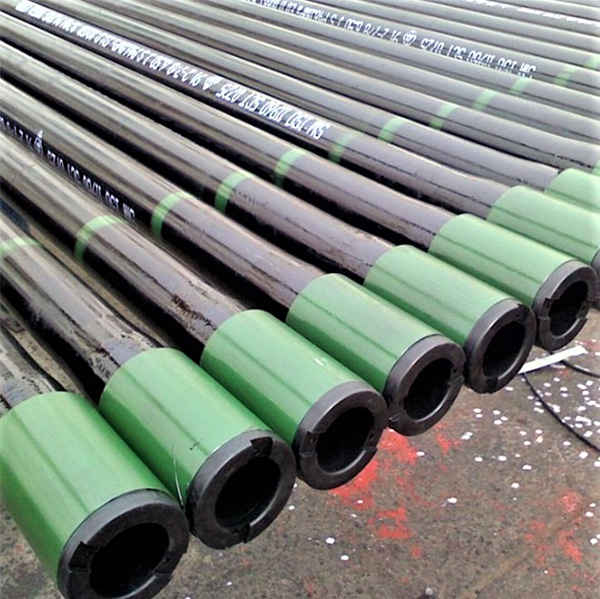
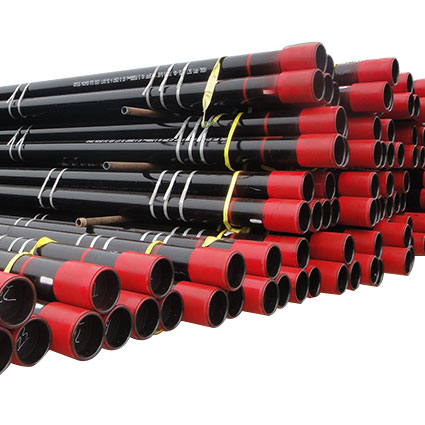
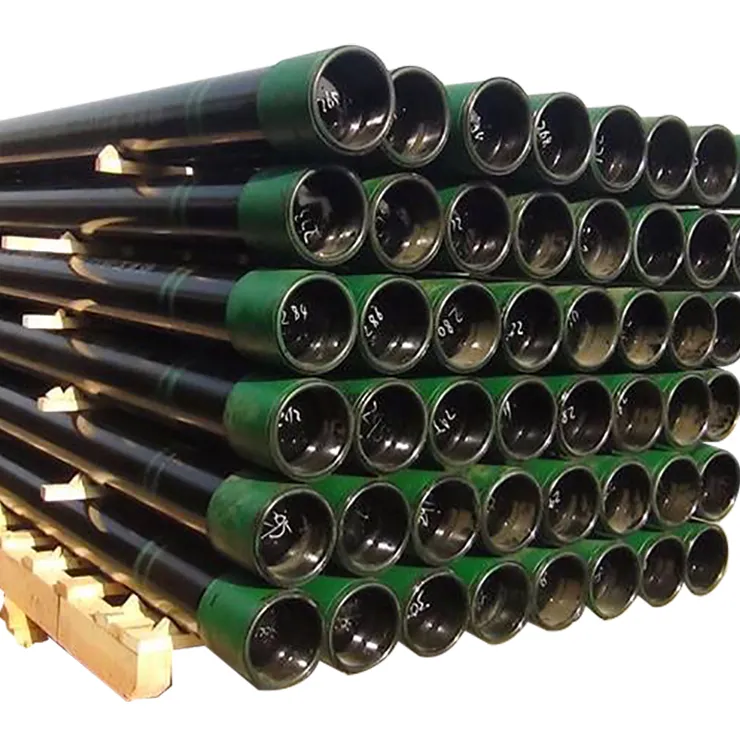
L’acier, en particulier l’acier au carbone, est depuis longtemps la norme de l’industrie pour les carters d’huile en raison de sa résistance et de sa solidité. durabilité. L’investissement initial dans un caisson en acier peut être substantiel, car le matériau lui-même est relativement coûteux et les coûts associés au transport et à l’installation peuvent encore gonfler le budget. Cependant, la longévité et la résilience de l’acier justifient souvent les coûts initiaux. Les boîtiers en acier peuvent résister à des pressions élevées et à des températures extrêmes, courantes dans les environnements d’extraction pétrolière. Par conséquent, même si la dépense initiale peut être plus élevée, la réduction potentielle des coûts de Maintenance et de remplacement au fil du temps peut faire de l’acier un choix rentable à long terme.
D’autre part, le boîtier en fibre de verre est apparu comme une alternative viable, en particulier dans des environnements où la corrosion est une préoccupation importante. Le coût de la fibre de verre est généralement inférieur à celui de l’acier, ce qui en fait une option intéressante pour les opérateurs cherchant à minimiser leurs dépenses initiales. De plus, la fibre de verre est légère, ce qui peut entraîner des économies sur les coûts de transport et d’installation. Cependant, il est essentiel de considérer les propriétés mécaniques de la fibre de verre, car elle peut ne pas offrir le même niveau de résistance que l’acier dans des conditions extrêmes. Par conséquent, même si la fibre de verre peut présenter un coût initial inférieur, sa viabilité à long terme dans des scénarios de haute pression pourrait entraîner une augmentation des dépenses en cas de défaillance prématurée.
Le boîtier en plastique, souvent fabriqué à partir de chlorure de polyvinyle (PVC) ou d’autres polymères, en est un autre. option qui a gagné du terrain dans des applications spécifiques. Le coût du boîtier en plastique est généralement inférieur à celui de l’acier et de la fibre de verre, ce qui en fait un choix attrayant pour les projets aux budgets serrés. De plus, le plastique résiste à la corrosion et à la dégradation chimique, ce qui peut être avantageux dans certains environnements. Cependant, à l’instar de la fibre de verre, le boîtier en plastique peut ne pas posséder la résistance nécessaire pour les applications à haute pression, ce qui pourrait entraîner des coûts plus élevés associés au remplacement ou à la réparation en cas de défaillance du boîtier. Ainsi, même si le plastique peut offrir des économies immédiates, sa rentabilité à long terme dépend des conditions spécifiques du site de forage.
tubes Meilleur fabricant chinois Lors de l’évaluation de la rentabilité des différents matériaux de tubage, il est crucial de prendre en compte non seulement le prix d’achat initial, mais aussi le potentiel d’économies à long terme grâce à la durabilité et à un entretien réduit. Chaque matériau présente un ensemble unique de caractéristiques qui peuvent influencer les coûts globaux, et la décision doit être guidée par les exigences spécifiques de l’opération de forage. Des facteurs tels que les conditions géologiques, la durée de vie prévue du boîtier et les pressions opérationnelles doivent tous être pris en compte. En fin de compte, une analyse complète qui pèse à la fois les implications financières à court et à long terme permettra aux opérateurs de prendre des décisions éclairées concernant le matériau de tubage le plus rentable pour leurs besoins spécifiques. En examinant attentivement ces facteurs, les opérateurs peuvent optimiser leurs investissements et améliorer l’efficacité globale de leurs processus d’extraction de pétrole.
Moreover, the comparative analysis of strength and durability must also consider the impact of manufacturing processes on Material performance. For instance, the method of production can influence the microstructure of metals, thereby affecting their mechanical properties. Techniques such as heat treatment and surface hardening can enhance the strength and fatigue resistance of Steel Casings, providing operators with additional options to optimize performance based on specific well conditions.

In conclusion, the comparative examination of common Oil Casing materials reveals a complex interplay between strength, durability, and environmental resistance. While traditional Carbon steel remains a staple in the industry, the emergence of corrosion-resistant alloys, fiberglass composites, and advanced engineered materials offers a spectrum of choices tailored to diverse operational challenges. As the industry contiNues to evolve, ongoing research and development will be essential in refining these materials and ensuring that they meet the rigorous demands of oil extraction. Ultimately, the selection of casing materials will play a pivotal role in enhancing the safety, efficiency, and sustainability of Oil and Gas operations.
Cost-Effectiveness of Different Casing Materials
In the realm of oil extraction, the choice of casing materials is pivotal not only for operational efficiency but also for cost-effectiveness. Various materials are employed in the construction of oil casings, each presenting unique advantages and disadvantages that can significantly impact the overall expenditure of drilling operations. Among the most commonly used materials are steel, fiberglass, and plastic, each of which merits a thorough examination in terms of cost-effectiveness.
Steel, particularly carbon steel, has long been the industry standard for oil casing due to its strength and durability. The initial investment in steel casing can be substantial, as the material itself is relatively expensive, and the costs associated with transportation and installation can further inflate the budget. However, the longevity and resilience of steel often justify the upfront costs. Steel casings can withstand high pressures and extreme temperatures, which are common in oil extraction environments. Consequently, while the initial expenditure may be higher, the potential for reduced maintenance and replacement costs over time can render steel a cost-effective choice in the long run.
On the other hand, fiberglass casing has emerged as a viable alternative, particularly in environments where corrosion is a significant concern. The cost of fiberglass is generally lower than that of steel, making it an attractive option for operators looking to minimize initial expenses. Additionally, fiberglass is lightWeight, which can lead to savings in transportation and installation costs. However, it is essential to consider the mechanical properties of fiberglass, as it may not offer the same level of strength as steel under extreme conditions. Therefore, while fiberglass may present a lower upfront cost, its long-term viability in high-pressure scenarios could lead to increased expenses if premature failure occurs.
Plastic casing, often made from polyvinyl chloride (PVC) or other polymers, is another option that has gained traction in specific applications. The cost of plastic casing is typically lower than both steel and fiberglass, making it an appealing choice for projects with tight budgets. Moreover, plastic is resistant to corrosion and chemical degradation, which can be advantageous in certain environments. However, similar to fiberglass, plastic casing may not possess the necessary strength for high-pressure applications, which could result in higher costs associated with replacement or Repair if the casing fails. Thus, while plastic may offer immediate savings, its long-term cost-effectiveness is contingent upon the specific conditions of the drilling site.
Tubing Best chinese ManufacturerIn evaluating the cost-effectiveness of different casing materials, it is crucial to consider not only the initial purchase Price but also the potential for long-term savings through durability and reduced maintenance. Each material presents a unique set of characteristics that can influence overall costs, and the decision should be guided by the specific requirements of the drilling operation. Factors such as the geological conditions, the expected lifespan of the casing, and the operational pressures must all be taken into account. Ultimately, a comprehensive analysis that weighs both the short-term and long-term financial implications will enable operators to make informed decisions regarding the most cost-effective casing material for their specific needs. By carefully considering these factors, operators can optimize their investments and enhance the overall efficiency of their oil extraction processes.