Properties of Common Oil Casing Materials
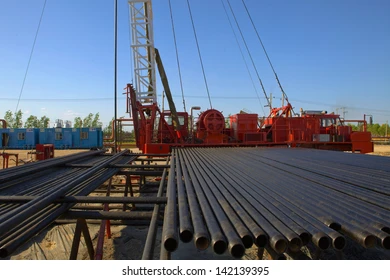
In the Oil and Gas industry, the selection of appropriate casing materials is crucial for ensuring the integrity and safety of drilling operations. Various materials are employed for oil casing, each possessing distinct properties that influence their performance under different environmental conditions. Among the most commonly used materials are Carbon Steel, Stainless Steel, and fiberglass-reinforced plastic. Understanding the properties of these materials is essential for making informed decisions regarding their application in various drilling scenarios.
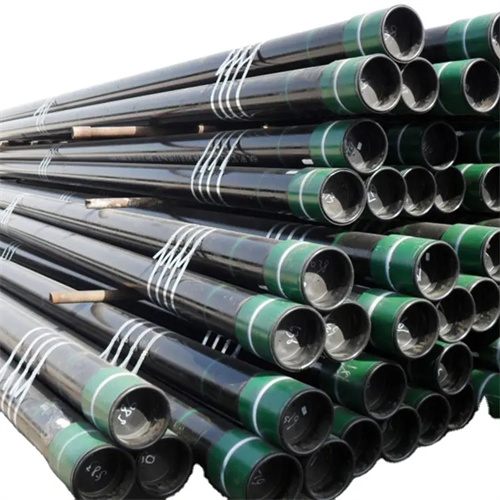
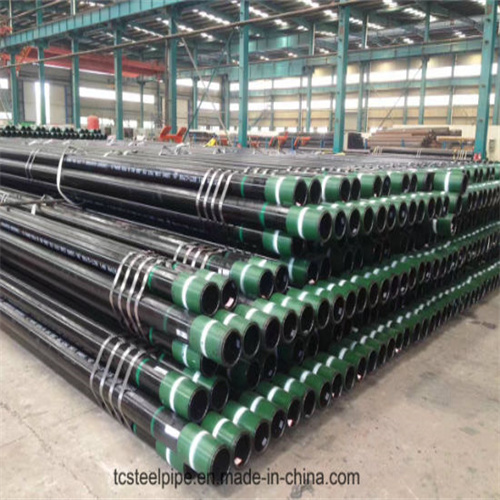
Carbon steel is the most widely used material for oil casing due to its strength and cost-effectiveness. It exhibits excellent mechanical properties, including high tensile strength and durability, which are vital for withstanding the extreme pressures and temperatures encountered during drilling. Additionally, carbon steel can be easily welded and fabricated, allowing for versatile applications in various well designs. However, it is important to note that carbon steel is susceptible to corrosion, particularly in environments containing hydrogen sulfide or carbon dioxide. To mitigate this risk, protective coatings or corrosion-resistant alloys may be employed, although these solutions can increase overall costs.
In contrast, stainless steel offers superior Corrosion resistance compared to carbon steel, making it an ideal choice for applications in harsh environments. The addition of chromium and nickel to the steel composition enhances its resistance to oxidation and pitting, thereby extending its lifespan in corrosive conditions. Stainless steel is particularly advantageous in offshore drilling operations, where exposure to seawater and other aggressive substances is prevalent. However, the higher cost of stainless steel can be a limiting factor, and its mechanical properties, while still robust, may not match tHose of carbon steel in terms of tensile strength. Therefore, the decision to use stainless steel often hinges on a careful evaluation of the specific environmental conditions and the associated risks.
Fiberglass-reinforced plastic (FRP) is another alternative that has gained traction in the oil and gas sector, particularly for applications where Weight reduction and corrosion resistance are paramount. FRP is composed of a polymer matrix reinforced with glass fibers, resulting in a lightweight yet strong material. Its resistance to chemical degradation makes it suitable for use in environments where traditional metals would fail. Moreover, the non-conductive nature of FRP can be advantageous in certain applications, reducing the risk of electrical interference. However, while FRP offers many benefits, it is essential to consider its limitations, such as lower mechanical strength compared to metals and potential issues with temperature stability.
When evaluating the properties of these common oil casing materials, it is crucial to consider not only their mechanical and chemical characteristics but also the specific requirements of the drilling operation. Factors such as well depth, temperature, pressure, and the presence of corrosive substances must all be taken into account. Additionally, the economic implications of material selection cannot be overlooked, as the initial cost of materials must be balanced against their long-term performance and Maintenance requirements.
In conclusion, the comparative examination of common oil casing materials reveals a diverse array of options, each with its unique set of properties. Carbon steel remains the most prevalent choice due to its strength and affordability, while stainless steel and fiberglass-reinforced plastic offer specialized advantages in terms of corrosion resistance and weight reduction. Ultimately, the selection of the appropriate casing material is a critical decision that requires a comprehensive understanding of the operational environment and the specific challenges that may arise during drilling activities. By carefully considering these factors, industry professionals can enhance the safety and efficiency of their operations while minimizing potential risks.
Comparative Analysis of Strength and Durability
In the realm of oil extraction, the choice of casing materials is critical to ensuring the structural integrity and longevity of wells. The comparative analysis of strength and durability among common oil casing materials reveals significant insights that can influence operational efficiency and safety. Steel, particularly carbon steel, has long been the industry standard due to its exceptional tensile strength and resistance to deformation under high pressure. Its ability to withstand the harsh conditions of subsurface environments makes it a preferred choice for many operators. However, the susceptibility of carbon steel to corrosion, especially in saline or acidic environments, necessitates the consideration of alternative materials.
In recent years, the use of corrosion-resistant alloys (CRAs) has gained traction. These materials, which include stainless steel and nickel-based alloys, offer enhanced durability in corrosive environments. The superior resistance to pitting and crevice corrosion exhibited by CRAs can significantly extend the lifespan of casing in challenging conditions. Nevertheless, the higher cost associated with these materials can be a limiting factor for some operators, prompting a careful evaluation of the trade-offs between initial investment and long-term performance.
Another material that has emerged in the comparative analysis is fiberglass reinforced plastic (FRP). This composite material boasts a remarkable strength-to-weight ratio, making it an attractive option for specific applications. FRP is inherently resistant to corrosion, which allows it to perform well in environments that would typically degrade traditional steel casings. However, the mechanical properties of FRP can be less predictable than those of metals, particularly under extreme temperature fluctuations or high-pressure conditions. Consequently, while FRP presents a viable alternative, its application may be limited to less demanding environments or specific well designs.
Transitioning from traditional materials to advanced composites, the introduction of thermoplastic and thermosetting resins has opened new aveNues for casing solutions. These materials can be engineered to exhibit tailored properties, such as enhanced impact resistance and flexibility. The durability of these composites under various loading conditions is an area of ongoing research, as their long-term performance in oil and gas applications remains to be fully understood. Nevertheless, the potential for reduced weight and improved resistance to environmental degradation positions these materials as promising candidates for future casing technologies.
Moreover, the comparative analysis of strength and durability must also consider the impact of manufacturing processes on material performance. For instance, the method of production can influence the microstructure of metals, thereby affecting their mechanical properties. Techniques such as heat treatment and surface hardening can enhance the strength and fatigue resistance of steel casings, providing operators with additional options to optimize performance based on specific well conditions.

In conclusion, the comparative examination of common oil casing materials reveals a complex interplay between strength, durability, and environmental resistance. While traditional carbon steel remains a staple in the industry, the emergence of corrosion-resistant alloys, fiberglass composites, and advanced engineered materials offers a spectrum of choices tailored to diverse operational challenges. As the industry continues to evolve, ongoing research and development will be essential in refining these materials and ensuring that they meet the rigorous demands of oil extraction. Ultimately, the selection of casing materials will play a pivotal role in enhancing the safety, efficiency, and sustainability of oil and gas operations.
Cost-Effectiveness of Different Casing Materials
In the realm of oil extraction, the choice of casing materials is pivotal not only for operational efficiency but also for cost-effectiveness. Various materials are employed in the Construction of oil casings, each presenting unique advantages and disadvantages that can significantly impact the overall expenditure of drilling operations. Among the most commonly used materials are steel, fiberglass, and plastic, each of which merits a thorough examination in terms of cost-effectiveness.
Steel, particularly carbon steel, has long been the industry standard for oil casing due to its strength and durability. The initial investment in steel casing can be substantial, as the material itself is relatively expensive, and the costs associated with transportation and installation can further inflate the budget. However, the longevity and resilience of steel often justify the upfront costs. Steel casings can withstand high pressures and extreme temperatures, which are common in oil extraction environments. Consequently, while the initial expenditure may be higher, the potential for reduced maintenance and replacement costs over time can render steel a cost-effective choice in the long run.
On the other hand, fiberglass casing has emerged as a viable alternative, particularly in environments where corrosion is a significant concern. The cost of fiberglass is generally lower than that of steel, making it an attractive option for operators looking to minimize initial expenses. Additionally, fiberglass is lightweight, which can lead to savings in transportation and installation costs. However, it is essential to consider the mechanical properties of fiberglass, as it may not offer the same level of strength as steel under extreme conditions. Therefore, while fiberglass may present a lower upfront cost, its long-term viability in high-pressure scenarios could lead to increased expenses if premature failure occurs.
Plastic casing, often made from polyvinyl chloride (PVC) or other polymers, is another option that has gained traction in specific applications. The cost of plastic casing is typically lower than both steel and fiberglass, making it an appealing choice for projects with tight budgets. Moreover, plastic is resistant to corrosion and chemical degradation, which can be advantageous in certain environments. However, similar to fiberglass, plastic casing may not possess the necessary strength for high-pressure applications, which could result in higher costs associated with replacement or Repair if the casing fails. Thus, while plastic may offer immediate savings, its long-term cost-effectiveness is contingent upon the specific conditions of the drilling site.
Tubing Best chinese ManufacturerIn evaluating the cost-effectiveness of different casing materials, it is crucial to consider not only the initial purchase Price but also the potential for long-term savings through durability and reduced maintenance. Each material presents a unique set of characteristics that can influence overall costs, and the decision should be guided by the specific requirements of the drilling operation. Factors such as the geological conditions, the expected lifespan of the casing, and the operational pressures must all be taken into account. Ultimately, a comprehensive analysis that weighs both the short-term and long-term financial implications will enable operators to make informed decisions regarding the most cost-effective casing material for their specific needs. By carefully considering these factors, operators can optimize their investments and enhance the overall efficiency of their oil extraction processes.