Progrès dans la recherche sur les matériaux de tubage pétrolier en Chine
Cinq principaux matériaux pour le tubage pétrolier en Chine
La Chine joue un rôle central dans l’industrie pétrolière mondiale, en mettant l’accent sur la recherche et le développement des matériaux de tubage pétrolier. Le choix des matériaux pour le tubage pétrolier est crucial car il a un impact direct sur l’efficacité et la sécurité des processus d’extraction pétrolière. En Chine, des recherches approfondies sont menées pour identifier les matériaux les plus adaptés aux applications de tubage pétrolier. Cet article se penche sur les cinq principaux matériaux qui ouvrent la voie dans la recherche sur les matériaux de tubage pétrolier en Chine.
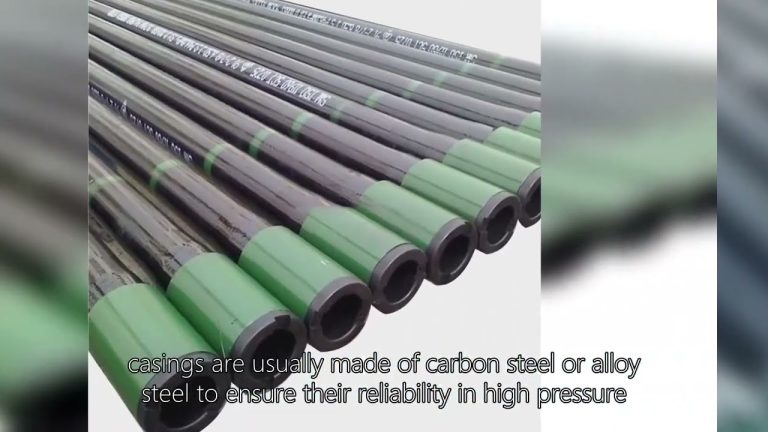
L’un des principaux matériaux qui gagne en importance dans les applications de tubage pétrolier est l’acier au carbone. Connu pour sa durabilité et sa résistance, l’acier au carbone est largement utilisé en Chine pour le tubage pétrolier en raison de sa capacité à résister à des pressions élevées et à des conditions environnementales difficiles. Sa rentabilité et sa facilité de disponibilité en font un choix privilégié pour de nombreux projets de forage pétrolier à travers le pays.
Passant à un autre matériau clé, nous avons l’acier inoxydable, qui offre une excellente résistance à la corrosion. En Chine, l’acier inoxydable est privilégié pour les carters d’huile dans les environnements où la corrosion constitue un problème important. Sa capacité à maintenir l’intégrité structurelle dans des conditions corrosives en fait une option fiable pour les opérations d’extraction de pétrole à long terme.
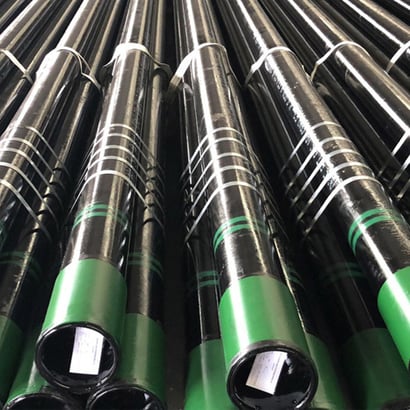
API 5ct N80Le prochain sur la liste est l’acier allié, un matériau connu pour ses propriétés mécaniques exceptionnelles. L’acier allié fait l’objet de recherches approfondies en Chine pour les applications de carters d’huile en raison de sa haute résistance à la traction et à l’usure. Ce matériau est particulièrement adapté aux environnements de forage difficiles où des conditions de pression et de température extrêmes prévalent.
De plus, les composites en plastique renforcé de fibre de verre (FRP) sont apparus comme une alternative prometteuse pour le tubage pétrolier en Chine. Les composites FRP offrent une combinaison unique de propriétés de haute résistance, de résistance à la corrosion et de légèreté. Ces matériaux font l’objet d’études approfondies en raison de leur potentiel à révolutionner l’industrie des carters pétroliers en fournissant une solution durable et rentable.
Enfin et surtout, nous avons les alliages de titane, qui gagnent du terrain dans la recherche sur les carters pétroliers en Chine. Les alliages de titane sont connus pour leur rapport résistance/poids exceptionnel et leur résistance à la corrosion, ce qui les rend idéaux pour les applications exigeantes de forage pétrolier. Bien que les alliages de titane puissent être plus chers que d’autres matériaux, leurs caractéristiques de performance supérieures justifient leur utilisation dans des projets critiques d’extraction de pétrole.
En conclusion, la recherche et le développement de matériaux de tubage pétrolier en Chine sont à la pointe de l’innovation dans le secteur pétrolier et secteur du gaz. Les cinq principaux matériaux abordés dans cet article (l’acier au carbone, l’acier inoxydable, l’acier allié, les composites FRP et les alliages de titane) représentent la pointe de la science des matériaux dans les applications de tubage pétrolier. En tirant parti de ces matériaux avancés, la Chine est en passe de montrer la voie en améliorant l’efficacité, la sécurité et la durabilité des processus d’extraction pétrolière à l’échelle mondiale.

Furthermore, china has been exploring the use of advanced coatings to enhance the performance of Oil Casings. These coatings provide an additional layer of protection against corrosion and wear, extending the life of the casing and reducing Maintenance costs. By investing in research on coatings, China has demonstrated its commitment to continuous improvement and excellence in Oil casing Materials.
Lastly, China’s research efforts have also focused on developing environmentally friendly materials for oil casings. With a growing emphasis on sustainability and eco-conscious practices, researchers have been exploring bio-based materials that offer the same level of performance as traditional materials. By prioritizing environmental considerations, China is leading the way in promoting sustainable practices in the Oil and Gas industry.
In conclusion, China’s advancements in oil casing material research have positioned the country as a global leader in the field. Through the development of high-strength Steel, corrosion-resistant alloys, composite materials, advanced coatings, and environmentally friendly options, chinese researchers have set new standards for quality, performance, and sustainability in the oil casing industry. As China contiNues to drive innovation and push the boundaries of material science, the future of oil casing technology looks promising and full of possibilities.
Top Five Materials for Oil Casing in China
China plays a pivotal role in the global oil industry, with a significant focus on research and development in oil casing materials. The choice of materials for oil casing is crucial as it directly impacts the efficiency and safety of oil extraction processes. In China, extensive research is conducted to identify the most suitable materials for oil casing applications. This article delves into the top five materials that are leading the way in oil casing material research in China.
One of the primary materials gaining prominence in oil casing applications is Carbon steel. Known for its durability and strength, carbon steel is widely used in China for oil casing due to its ability to withstand high pressure and harsh environmental conditions. Its cost-effectiveness and ease of availability make it a preferred choice for many oil drilling projects across the country.
Moving on to another key material, we have Stainless Steel, which offers excellent Corrosion resistance. In China, stainless steel is favored for oil casing in environments where corrosion is a significant concern. Its ability to maintain structural integrity in corrosive conditions makes it a reliable option for long-term oil extraction operations.
api 5ct n80Next on the list is alloy steel, a material known for its exceptional mechanical properties. Alloy steel is extensively researched in China for oil casing applications due to its high tensile strength and resistance to wear and tear. This material is particularly suitable for challenging drilling environments where extreme pressure and temperature conditions are prevalent.
Furthermore, fiberglass-reinforced plastic (FRP) composites have emerged as a promising alternative for oil casing in China. FRP composites offer a unique combination of High strength, corrosion resistance, and lightWeight properties. These materials are being studied extensively for their potential to revolutionize the oil casing industry by providing a durable and cost-effective solution.
Last but not least, we have Titanium Alloys, which are gaining traction in oil casing research in China. Titanium alloys are known for their exceptional strength-to-weight ratio and corrosion resistance, making them ideal for demanding oil drilling applications. While titanium alloys may be more expensive compared to other materials, their superior performance characteristics justify their use in critical oil extraction projects.
In conclusion, the research and development of oil casing materials in China are at the forefront of innovation in the oil and gas sector. The top five materials discussed in this article \– carbon steel, stainless steel, alloy steel, FRP composites, and titanium alloys \– represent the cutting edge of material science in oil casing applications. By leveraging these advanced materials, China is poised to lead the way in enhancing the efficiency, safety, and sustainability of oil extraction processes on a global scale.