Matériaux et revêtements avancés pour une durabilité améliorée
Dans le domaine de l’extraction pétrolière et gazière, la durabilité et la fiabilité des équipements sont primordiales. Le tubage est un élément crucial qui joue un rôle central pour garantir l’intégrité et l’efficacité des puits de pétrole. Traditionnellement, la conception des enveloppes pétrolières s’est concentrée sur la robustesse et la résistance à la corrosion, facteurs essentiels pour résister aux conditions difficiles en profondeur. Cependant, avec les progrès technologiques et la recherche d’une plus grande efficacité et durabilité, il existe une demande croissante d’innovations qui non seulement améliorent la durabilité, mais prolongent également la durée de vie des boîtiers.
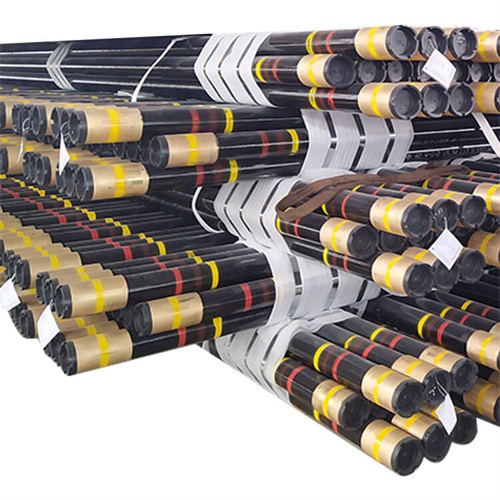
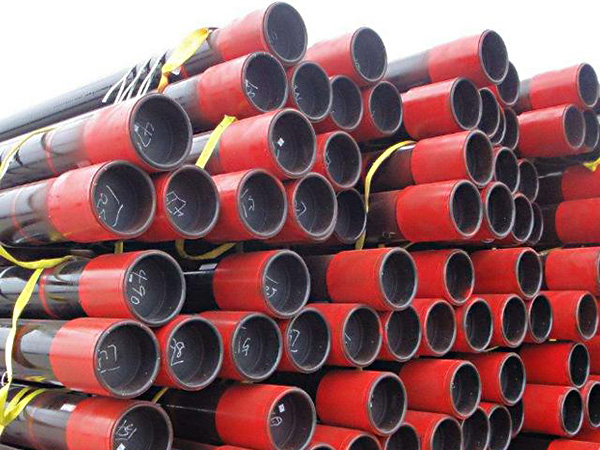
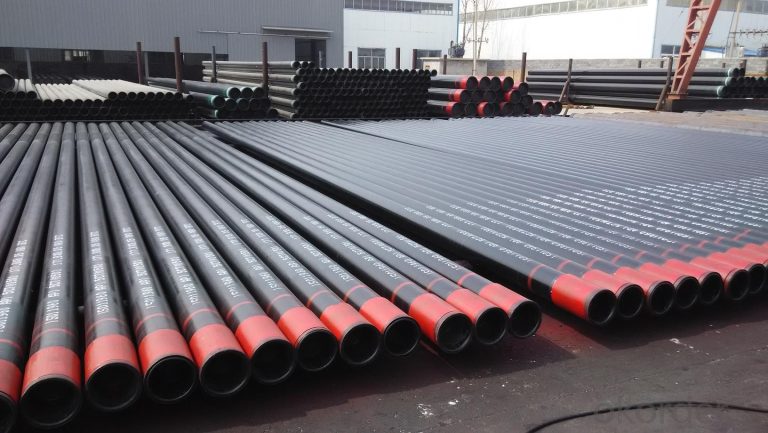
schéma du tubage de puits de pétrole
Intégration de l’IoT et de la technologie des capteurs pour la surveillance en temps réel
Pratiques durables dans la fabrication de carters pétroliers
En outre, la nouvelle approche de la conception des carters d’huile prend également en compte les considérations de fin de vie, en mettant l’accent sur la recyclabilité et la réutilisation. En concevant des boîtiers qui peuvent être facilement démontés et réutilisés à la fin de leur durée de vie, les fabricants sont en mesure de minimiser les déchets et de réduire l’impact environnemental du processus d’extraction. Cette approche de conception en boucle fermée reflète un engagement plus large en faveur de la durabilité et d’une gestion responsable des ressources.
En conclusion, l’approche innovante de la conception des cuvelages pétroliers représente une avancée significative dans la quête de pratiques durables dans l’industrie pétrolière et gazière. En donnant la priorité à la longévité, à la durabilité et à la responsabilité environnementale, les fabricants répondent non seulement aux demandes de l’industrie, mais établissent également une nouvelle norme en matière de pratiques d’extraction responsables. Cette nouvelle ère de conception de carters pétroliers est porteuse de la promesse d’un avenir plus durable et plus efficace pour l’industrie, où performance et gestion environnementale vont de pair.
Oil Casing design plays a crucial role in the Oil and Gas industry, where durability and reliability are paramount. Traditional casing designs have served their purpose well, but the industry is constantly evolving, demanding more innovative solutions to enhance efficiency and longevity. In this context, the integration of Internet of Things (IoT) and sensor technology has emerged as a game-changer, offering real-time monitoring capabilities that can revolutionize oil casing design.
The marriage of IoT and sensor technology with oil casing design brings a host of benefits, chief among them being the ability to monitor casing conditions in real time. By embedding sensors within the casing structure, operators can gather data on temperature, pressure, corrosion levels, and other critical parameters continuously. This real-time monitoring not only provides valuable insights into the casing’s performance but also enables proactive Maintenance and intervention, ultimately extending the casing’s service life.
One of the key advantages of this innovative approach is the early detection of potential issues. By leveraging IoT and sensor technology, operators can detect anomalies or deviations from normal operating conditions promptly. This early warning system allows for timely intervention, preventing minor issues from escalating into major failures that could result in costly downtime and Repairs. Moreover, predictive analytics can be applied to the data collected, enabling operators to anticipate maintenance needs and plan interventions strategically.
Furthermore, the integration of IoT and sensor technology enables remote monitoring of oil casing assets. Operators can access real-time data from sensors installed in the casing structure, regardless of their physical location. This remote monitoring capability not only enhances operational efficiency but also improves safety by reducing the need for manual inspections in hazardous environments. Additionally, historical data collected from sensors can be analyzed to identify trends and patterns, facilitating informed decision-making and optimization of casing design for future projects.
Another significant benefit of this approach is the potential for condition-based maintenance. By continuously monitoring the health and performance of oil casing structures, operators can move away from traditional time-based maintenance schedules to a more proactive and targeted maintenance strategy. Condition-based maintenance allows resources to be allocated more efficiently, focusing on areas that require immediate attention based on real-time data and analysis.
In conclusion, the integration of IoT and sensor technology represents a paradigm shift in oil casing design, offering a new approach that is both innovative and practical. By enabling real-time monitoring, early detection of issues, remote asset management, and condition-based maintenance, this approach has the potential to double the service life of oil casing structures while enhancing operational efficiency and safety. As the industry contiNues to embrace digital transformation, the adoption of IoT and sensor technology in oil casing design is poised to drive significant advancements and set new standards for reliability and performance in the oil and gas sector.
Sustainable Practices in Oil Casing Manufacturing
Oil casing design plays a crucial role in the oil and gas industry, serving as a protective barrier for wells and ensuring the integrity of the extraction process. In recent years, the focus on sustainable practices in oil casing manufacturing has led to the development of innovative approaches aimed at enhancing the longevity and efficiency of these essential components. One such groundbreaking approach that has garnered significant attention is the design concept that promises to double the service life of oil casings.
Traditionally, oil casings have been designed with a primary focus on functionality and durability. While these aspects are undeniably important, the need for sustainability and environmental responsibility has prompted a shift towards more innovative and eco-friendly solutions. The new approach to oil casing design not only meets the stringent requirements of the industry but also sets a new standard for longevity and performance.
At the core of this innovative design is a meticulous attention to detail and a deep understanding of the challenges faced by traditional oil casings. By incorporating advanced Materials and cutting-edge manufacturing techniques, engineers have been able to create a casing that not only withstands the harsh conditions of oil extraction but also minimizes environmental impact. This dual focus on durability and sustainability is a testament to the industry’s commitment to responsible practices.
One of the key features of this new approach is the use of high-strength materials that are specifically engineered to resist corrosion and wear. By selecting materials that are not only robust but also environmentally friendly, Manufacturers are able to extend the service life of oil casings significantly. This not only reduces the frequency of replacements but also minimizes the overall environmental footprint of the extraction process.
In addition to the materials used, the design of the casing itself has been optimized to maximize efficiency and performance. By incorporating innovative geometries and structural enhancements, engineers have been able to create a casing that is not only stronger and more durable but also more resistant to the stresses and pressures encountered during extraction. This holistic approach to design ensures that the casing performs optimally throughout its extended service life.
 Furthermore, the new approach to oil casing design also takes into account the end-of-life considerations, with a focus on recyclability and reusability. By designing casings that can be easily disassembled and repurposed at the end of their service life, manufacturers are able to minimize waste and reduce the environmental impact of the extraction process. This closed-loop approach to design reflects a broader commitment to sustainability and responsible resource management.
In conclusion, the innovative approach to oil casing design represents a significant step forward in the quest for sustainable practices in the oil and gas industry. By prioritizing longevity, durability, and environmental responsibility, manufacturers are not only meeting the demands of the industry but also setting a new standard for responsible extraction practices. This new era of oil casing design holds the promise of a more sustainable and efficient future for the industry, where performance and environmental stewardship go hand in hand.