Matériaux et revêtements avancés pour une durabilité prolongée dans les carters d’huile
entreprise
Double amélioration de la durée de vie grâce à des solutions de conception innovantes
Optimisation des performances et de la rentabilité grâce aux nouvelles technologies de tubage pétrolier
En conclusion, l’avènement de conceptions innovantes de boîtiers d’huile qui doublent la durée de vie marque une étape importante dans l’industrie pétrolière et gazière. En optimisant les performances et la rentabilité, ces avancées répondent non seulement aux besoins opérationnels immédiats d’aujourd’hui, mais ouvrent également la voie à une production d’énergie durable et résiliente à l’avenir. Alors que l’industrie adopte ces technologies, l’accent reste mis sur l’amélioration de la fiabilité, de la rentabilité et de la gestion environnementale de chaque puits foré.
In the ever-evolving landscape of industrial engineering, innovations continually reshape the norms of efficiency and longevity. One such breakthrough is set to revolutionize the Oil Casing industry, promising a remarkable enhancement in service life through innovative design solutions.
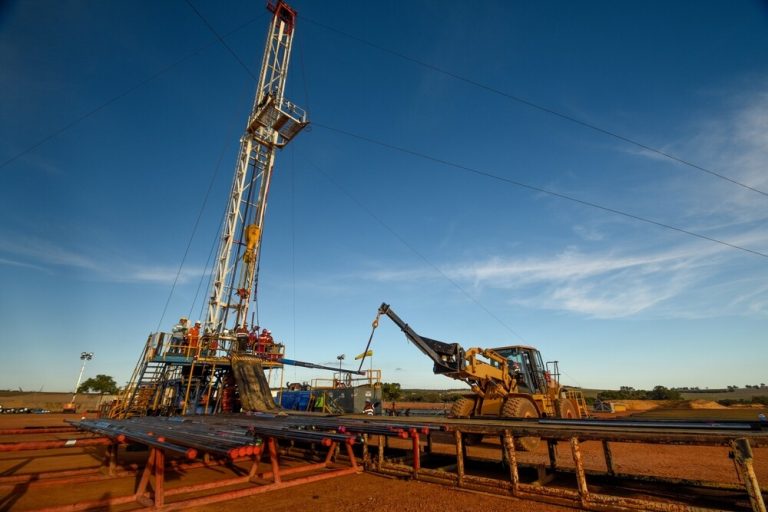
Traditionally, oil casings have been subjected to rigorous conditions, enduring corrosive environments and high-pressure operations. These challenges necessitate robust Materials and designs that can withstand the demands of drilling and extraction processes. However, even with advancements in materials, the average service life of oil casings has remained a critical concern for operators worldwide.
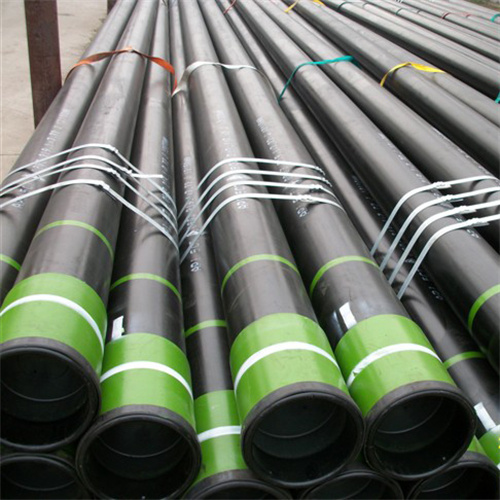
Enter the latest wave of innovation: a groundbreaking design concept that aims not only to extend but to double the service life of oil casings. This innovation tackles the core issues of wear and corrosion through a multifaceted approach. Firstly, materials engineering has taken a leap forward with the introduction of advanced alloys that exhibit superior resistance to corrosion and fatigue. These alloys are meticulously selected and engineered to enhance durability without compromising on flexibility or operational efficiency.
Moreover, the design architecture itself has been reimagined. Engineers have integrated structural enhancements that distribute stress more evenly across the casing, thereby reducing points of vulnerability. This holistic approach not only mitigates the risk of premature failure but also optimizes the casing’s performance throughout its extended lifecycle.
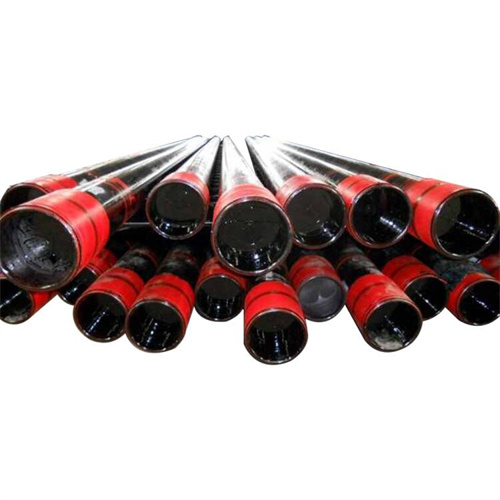
Furthermore, technological integration plays a pivotal role in this paradigm shift. Sensors embedded within the casing continuously monitor conditions such as temperature, pressure, and chemical composition. Real-time data analysis allows for proactive Maintenance strategies, preempting potential issues before they escalate—a proactive approach that enhances operational reliability and safety.
Beyond material and structural improvements, environmental sustainability has also been a focal point. The new generation of oil casings is designed with eco-friendly practices in mind, utilizing recyclable materials and minimizing environmental impact throughout their lifecycle. This commitment to sustainability aligns with global efforts towards greener energy practices, marking a conscientious step forward for the industry.
The implications of these advancements are profound. Oil operators stand to benefit significantly from reduced downtime, lower maintenance costs, and heightened operational efficiency. The enhanced durability of these casings not only extends their service life but also enhances operational predictability, providing a stable foundation for long-term planning and investment.
Looking ahead, the trajectory of oil casing innovation shows no signs of slowing down. Ongoing research and development contiNue to push the boundaries of what is possible, exploring new materials, refining designs, and integrating smart technologies. These efforts are not only transforming the oil casing sector but also setting a precedent for innovation across the broader industrial landscape.
In conclusion, the journey towards doubling the service life of oil casings represents a triumph of ingenuity and collaboration. Through innovative design solutions, bolstered by advanced materials, structural enhancements, and smart technologies, the industry is poised for a new era of reliability and sustainability. As these advancements take root, they pave the way for a more resilient and efficient future in oil extraction—an achievement that resonates far beyond the confines of engineering, sh APIng the future of global energy operations.
Optimizing Performance and Cost Efficiency with New Oil Casing Technologies
In today’s dynamic Oil and Gas industry, the quest for efficiency and cost-effectiveness remains paramount. As exploration and extraction techniques evolve, so too do the materials and technologies that support these operations. One such innovation making waves in the sector is the development of advanced oil casing designs aimed at significantly enhancing service life while optimizing performance and cost efficiency.
Traditionally, oil casings have been crucial in safeguarding well integrity and facilitating efficient oil extraction. However, the harsh environments and operational demands often lead to premature wear and corrosion, necessitating frequent replacements that can escalate operational costs. This challenge has spurred intensive research and development efforts aimed at extending the durability and reliability of oil casing systems.
Enter the latest breakthrough: innovative oil casing designs engineered to double service life. These advancements are not merely incremental improvements but represent a paradigm shift in how casings are conceived and implemented in the field. By integrating cutting-edge materials and engineering principles, these new casings exhibit enhanced resistance to corrosion, abrasion, and mechanical stress.
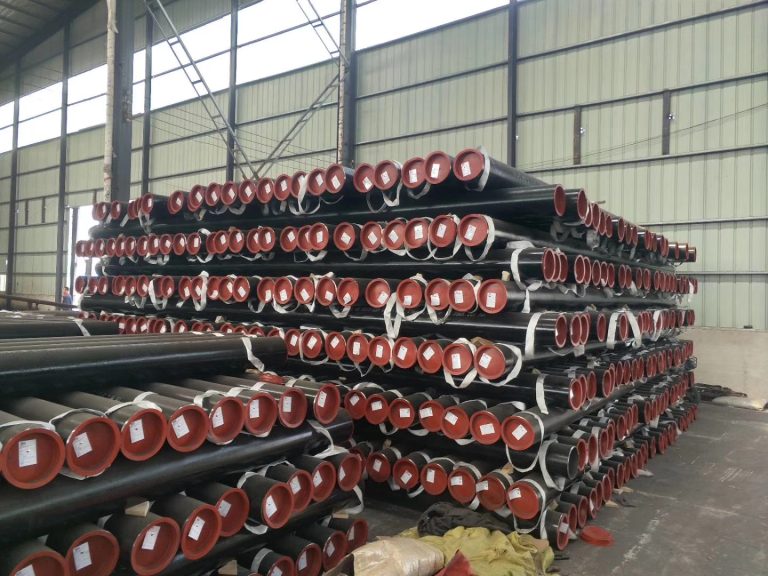
Key to this innovation is the utilization of high-strength alloys and composite materials that offer superior durability without compromising flexibility or performance. These materials are carefully selected and engineered to withstand the demanding conditions encountered during drilling, completion, and production phases. Moreover, advanced manufacturing techniques ensure precise fabrication, further enhancing the casing’s structural integrity and longevity.
The benefits of these advancements are manifold. Firstly, by doubling the service life of oil casings, operators can significantly reduce downtime associated with maintenance and replacements. This translates into enhanced operational efficiency and cost savings over the lifecycle of a well. Secondly, improved casing durability contributes to greater environmental sustainability by reducing the need for raw materials and minimizing waste generated from discarded casings.
Furthermore, the enhanced performance characteristics of these advanced casings enable operators to explore and exploit oil reserves in more challenging geological formations and environments. Whether it’s high-pressure reservoirs, corrosive subsea conditions, or extreme temperature differentials, these casings provide a robust barrier that ensures operational continuity and safety.
Transitioning from conventional to advanced oil casing technologies requires careful planning and consideration. Operators must assess factors such as initial investment costs, long-term savings, and compatibility with existing infrastructure and drilling practices. However, the potential benefits far outweigh the transitional challenges, making it a strategic investment for Companies looking to optimize their operations in a competitive market landscape.
Looking ahead, the trajectory of oil casing technology continues to evolve as researchers and engineers push the boundaries of innovation. Future developments may include smart casing technologies equipped with sensors for real-time monitoring of casing integrity and environmental conditions. Such advancements promise to further enhance operational efficiency and reduce risks associated with well integrity failures.
In conclusion, the advent of innovative oil casing designs that double service life marks a significant milestone in the oil and gas industry. By optimizing performance and cost efficiency, these advancements not only meet the immediate operational needs of today but also pave the way for sustainable and resilient energy production in the future. As the industry embraces these technologies, the focus remains on achieving greater reliability, profitability, and environmental stewardship in every well drilled.