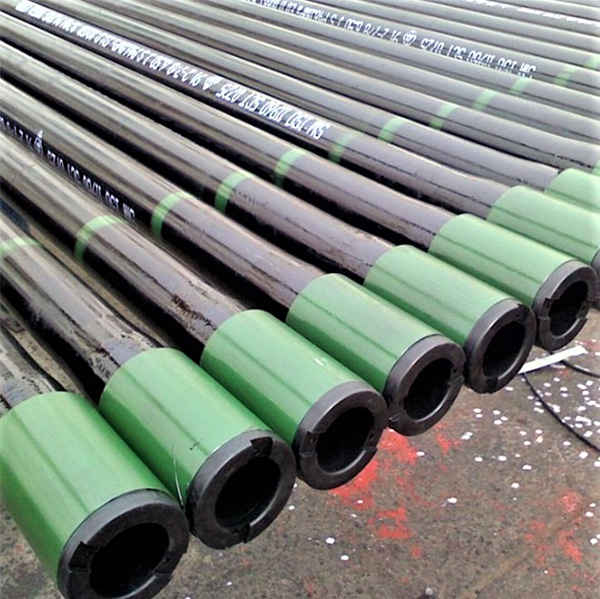
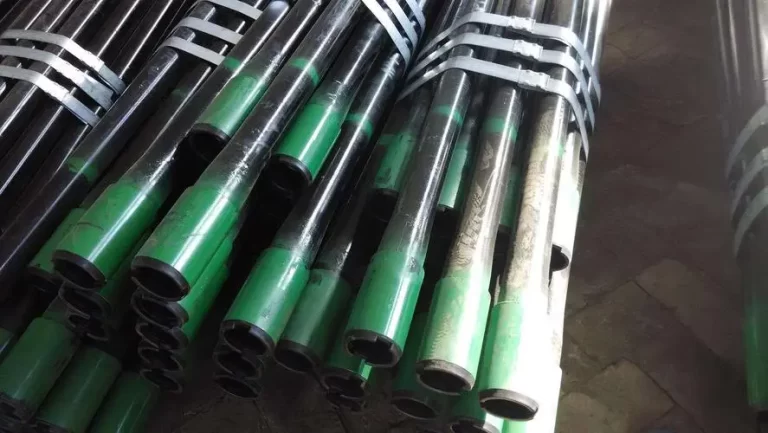
Mise en œuvre des principes Lean dans la fabrication de carters pétroliers
Impact des changements de politique sur la transformation Lean dans l’industrie du tubage pétrolier
En conclusion, l’analyse du rôle politique dans la conduite de la transformation Lean dans l’industrie du carter pétrolier révèle la nature interconnectée des changements politiques et des pratiques Lean. En comprenant l’impact des politiques sur la conformité réglementaire, la dynamique de la chaîne d’approvisionnement, la culture interne de l’entreprise et la collaboration sectorielle, les entreprises peuvent gérer plus efficacement les complexités de la transformation Lean. En fin de compte, une approche stratégique de l’alignement et de la mise en œuvre des politiques est essentielle pour tirer pleinement parti des principes Lean dans l’industrie du carter pétrolier.
Impact of Policy Changes on Lean Transformation in the Oil Casing Industry
Analyzing the policy role in driving lean transformation in the oil casing industry requires a deep understanding of how policy changes can impact the adoption and success of lean practices within this sector. Lean transformation, a methodology aimed at maximizing customer value while minimizing waste, has gained significant traction in various industries, including oil casing manufacturing. The implementation of lean principles in this industry can lead to improved efficiency, reduced costs, and enhanced overall performance.
Policy changes play a crucial role in sh APIng the environment within which lean transformation takes place. Government regulations, industry standards, and internal Company policies all influence the adoption and sustainability of lean practices. For the oil casing industry, which operates in a complex and highly regulated environment, policy changes can either facilitate or hinder the successful implementation of lean principles.
One key aspect of policy impact on lean transformation in the oil casing industry is regulatory compliance. Government regulations related to safety, environmental protection, and quality control can drive Companies to adopt lean practices to ensure compliance. By aligning lean initiatives with regulatory requirements, companies can not only meet legal obligations but also improve their operational efficiency and competitiveness.
Moreover, policy changes can also influence the supply chain dynamics within the oil casing industry. Regulations related to sourcing, production processes, and product quality can impact the way companies manage their supply chains and implement lean practices. By aligning supply chain policies with lean principles, companies can streamline their operations, reduce lead times, and enhance overall productivity.
In addition to external policies, internal company policies and culture also play a significant role in driving lean transformation. Leadership commitment, employee engagement, and organizational structure are all influenced by internal policies and practices. Companies that prioritize lean principles in their internal policies and foster a culture of continuous improvement are more likely to succeed in their lean transformation efforts.
Furthermore, policy changes can affect the level of collaboration and knowledge sharing within the oil casing industry. Industry-wide initiatives, government incentives, and collaborative partnerships can promote the exchange of best practices and facilitate the adoption of lean principles across different companies. By leveraging policy-driven collaboration, companies can accelerate their lean transformation journey and drive industry-wide improvements.

In conclusion, analyzing the policy role in driving lean transformation in the oil casing industry reveals the interconnected nature of policy changes and lean practices. By understanding how policies impact regulatory compliance, supply chain dynamics, internal company culture, and industry collaboration, companies can navigate the complexities of lean transformation more effectively. Ultimately, a strategic approach to policy alignment and implementation is essential for realizing the full benefits of lean principles in the oil casing industry.