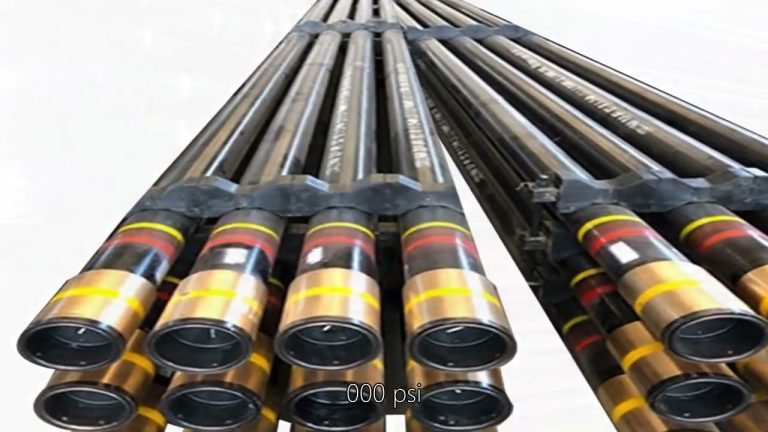
Avantages de l’utilisation de tuyaux de tubage peints API 5ct grade l80 dans les opérations pétrolières et gazières
Spécifications et normes clés pour les tuyaux de tubage peints API 5CT grade L80
Impact environnemental et économique des tuyaux de tubage peints API 5CT grade L80
Tuyau de tubage peint API 5CT Grade L80 : impact environnemental et économique
Dans le domaine de l’extraction de pétrole et de gaz, le choix des tuyaux de tubage joue un rôle central non seulement dans l’efficacité opérationnelle, mais également dans la durabilité environnementale et la viabilité économique. Parmi les différents types disponibles, le tuyau de boîtier peint API 5CT Grade L80 se distingue par son mélange unique de résistance, de durabilité et de résistance à la corrosion. Ces tuyaux sont conçus pour résister aux conditions difficiles rencontrées lors des opérations de forage tout en conservant leur intégrité sur des périodes prolongées, garantissant ainsi la sécurité et l’efficacité opérationnelles.
tube à huile Meilleurs fabricants chinoisD’un point de vue environnemental, l’utilisation de tuyaux de boîtier peints API 5CT Grade L80 offre plusieurs des avantages notables. Premièrement, ses propriétés de résistance à la corrosion réduisent le risque de fuites ou de déversements, qui peuvent avoir des conséquences écologiques importantes dans les écosystèmes sensibles. En atténuant ces risques, les opérateurs peuvent se conformer plus étroitement aux réglementations environnementales et minimiser leur empreinte écologique. De plus, la longévité de ces tuyaux contribue à réduire le nombre de remplacements, réduisant ainsi la consommation globale de matériaux et d’énergie associée aux remplacements fréquents de tuyaux.
Sur le plan économique, l’adoption du tuyau de boîtier peint API 5CT grade L80 présente des avantages incontestables pour les opérateurs et les parties prenantes. La durabilité et la résistance à la corrosion améliorées se traduisent par une réduction des coûts de Maintenance et des temps d’arrêt, conduisant à une efficacité opérationnelle et une productivité accrues. De plus, la longévité de ces canalisations se traduit par des coûts de cycle de vie inférieurs, car les besoins de remplacement et de réparation sont considérablement réduits. Cette efficacité économique profite non seulement aux opérateurs individuels, mais contribue également à la durabilité de l’industrie dans son ensemble en optimisant l’allocation des ressources et la planification opérationnelle.
De plus, la peinture des tuyaux de boîtier API 5CT Grade L80 sert plus qu’un simple objectif esthétique. Les revêtements appliqués offrent une couche supplémentaire de protection contre la corrosion, prolongeant encore davantage la durée de vie des tuyaux. Cette approche proactive de la maintenance améliore non seulement la fiabilité opérationnelle, mais renforce également la gestion de l’environnement en réduisant l’impact environnemental associé à une défaillance ou à une dégradation prématurée des canalisations.
En termes de conformité réglementaire, les tuyaux de boîtier peints API 5CT Grade L80 répondent aux normes et spécifications strictes de l’industrie, assurer la compatibilité avec l’infrastructure et les pratiques opérationnelles existantes. Cette approche standardisée favorise la cohérence et la fiabilité des opérations de forage, facilitant ainsi l’exécution des projets et les approbations réglementaires.
Au-delà de ses spécifications techniques, l’adoption du tube de cuvelage peint API 5CT grade L80 souligne un engagement envers des pratiques durables au sein du secteur pétrolier et gazier. En investissant dans des infrastructures durables et respectueuses de l’environnement, les opérateurs peuvent assumer leur responsabilité d’entreprise tout en améliorant leur rentabilité à long terme. Cet alignement stratégique des objectifs économiques et environnementaux renforce le rôle de l’industrie en tant que gestionnaire responsable des ressources naturelles et contribue à la durabilité globale de la production d’énergie.
En conclusion, les tuyaux de boîtier peints API 5CT Grade L80 représentent une avancée cruciale dans le secteur pétrolier et gazier. l’industrie, offrant une solution robuste qui équilibre l’efficacité opérationnelle et la responsabilité environnementale. Grâce à leur durabilité supérieure, leur résistance à la corrosion et leur efficacité économique, ces tuyaux illustrent l’innovation en matière de gestion des ressources et soulignent l’engagement de l’industrie envers le développement durable. Alors que la demande énergétique mondiale contiNue d’évoluer, l’intégration de ces technologies jouera un rôle crucial dans l’élaboration d’un avenir énergétique plus résilient et plus responsable.
API 5CT Grade L80 painted Casing Pipes play a crucial role in the Oil and Gas industry, ensuring the integrity and safety of well operations. These Pipes are specifically designed to withstand harsh environmental conditions and provide reliable performance in various drilling applications.
API 5CT, established by the American Petroleum Institute (API), sets the standards for casing and Tubing used in oil and gas wells worldwide. Grade L80 is a type of casing pipe that conforms to these stringent API specifications, known for its durability and suitability for downhole environments. The designation ‘L’ signifies the pipe’s yield strength, with L80 having a minimum yield strength of 80,000 psi.
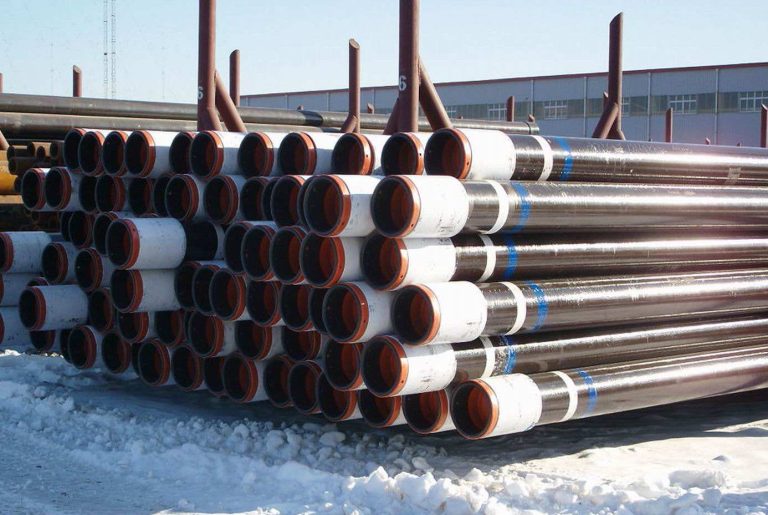
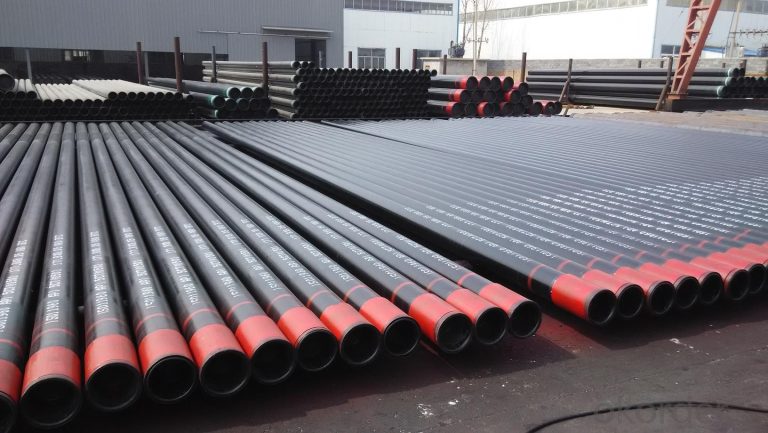
One of the distinguishing features of API 5CT Grade L80 painted casing pipes is their painted exterior. The painting process serves several purposes beyond aesthetics. It helps protect the pipe from corrosion, which is a significant concern in the oil and gas industry due to exposure to corrosive substances such as hydrogen sulfide (H2S) and carbon dioxide (CO2) in well fluids. By applying a durable paint coating, these pipes can extend their service life and maintain structural integrity under challenging conditions.
The paint used on API 5CT Grade L80 casing pipes meets specific standards to ensure effectiveness in Corrosion resistance. Typically, Manufacturers follow API RP 5L9 for External coatings applied to casing and Tubing, which outlines requirements for coating Materials, application methods, and quality control measures. This adherence to standards ensures that the painted casing pipes not only meet operational needs but also comply with environmental and safety regulations.
In terms of dimensional specifications, API 5CT Grade L80 painted casing pipes are available in various sizes and Wall thicknesses to suit different well designs and drilling requirements. The pipes are manufactured with precision to meet API’s dimensional tolerances, ensuring compatibility with other downhole equipment and facilitating efficient installation and operation.
Moreover, API 5CT Grade L80 painted casing pipes undergo rigorous quality control processes throughout manufacturing. These processes include inspection of raw materials, dimensional checks, Non-destructive testing (NDT) such as ultrasonic testing (UT) and magnetic particle inspection (MPI), and performance testing to verify mechanical properties. Such stringent quality assurance measures are essential to guarantee the reliability and performance of the pipes in demanding oilfield environments.
In addition to mechanical properties and corrosion resistance, API 5CT Grade L80 painted casing pipes also meet stringent chemical composition requirements. These pipes are typically made from Carbon Steel with alloying elements such as chromium and nickel added to enhance their mechanical properties and resistance to corrosion and cracking.
 Furthermore, API 5CT Grade L80 painted casing pipes are marked with identification codes and manufacturer’s logos for traceability and quality assurance purposes. This traceability is crucial for maintaining the integrity of the supply chain and ensuring compliance with regulatory requirements.
In conclusion, API 5CT Grade L80 painted casing pipes are essential components in oil and gas drilling operations, offering durability, corrosion resistance, and compliance with stringent industry standards. The painted exterior not only enhances their visual appeal but also provides crucial protection against corrosion, thereby extending their service life and ensuring reliable performance in challenging well environments. Manufacturers adhere to API specifications and rigorous quality control processes to deliver pipes that meet the demanding requirements of the oil and gas industry, making Grade L80 painted casing pipes a preferred choice for well Construction and completion projects worldwide.
Environmental and Economic Impact of API 5CT Grade L80 Painted Casing Pipe
API 5CT Grade L80 Painted Casing Pipe: Environmental and Economic Impact
In the realm of oil and gas extraction, the choice of casing pipes plays a pivotal role not only in operational efficiency but also in environmental sustainability and economic viability. Among the various types available, API 5CT Grade L80 Painted Casing Pipe stands out for its unique blend of strength, durability, and corrosion resistance. These pipes are crafted to withstand the harsh conditions encountered in drilling operations while maintaining integrity over extended periods, thus ensuring operational safety and efficiency.
Oil Tube Best chinese ManufacturersFrom an environmental standpoint, the use of API 5CT Grade L80 Painted Casing Pipe offers several notable benefits. Firstly, its corrosion-resistant properties reduce the likelihood of leaks or spills, which can have significant ecological consequences in sensitive ecosystems. By mitigating these risks, operators can adhere more closely to environmental regulations and minimize their ecological footprint. Additionally, the longevity of these pipes contributes to fewer replacements, thereby reducing the overall material and energy consumption associated with frequent pipe replacements.
Economically, the adoption of API 5CT Grade L80 Painted Casing Pipe presents compelling advantages for operators and stakeholders alike. The enhanced durability and resistance to corrosion translate into reduced maintenance costs and downtime, leading to increased operational efficiency and productivity. Moreover, the longevity of these pipes results in lower lifecycle costs, as the need for replacements and Repairs is significantly diminished. This economic efficiency not only benefits individual operators but also contributes to the sustainability of the industry as a whole by optimizing resource allocation and operational planning.
Furthermore, the painting of API 5CT Grade L80 Casing Pipes serves more than just an aesthetic purpose. The applied coatings provide an additional layer of protection against corrosion, extending the lifespan of the pipes even further. This proactive approach to maintenance not only enhances operational reliability but also reinforces environmental stewardship by reducing the environmental impact associated with premature pipe failure or degradation.
In terms of regulatory compliance, API 5CT Grade L80 Painted Casing Pipe meets stringent industry standards and specifications, ensuring compatibility with existing infrastructure and operational practices. This standardized approach fosters consistency and reliability across drilling operations, facilitating Smoother project execution and regulatory approvals.
Beyond its technical specifications, the adoption of API 5CT Grade L80 Painted Casing Pipe underscores a commitment to sustainable practices within the oil and gas sector. By investing in durable and environmentally responsible infrastructure, operators can uphold their corporate responsibility while enhancing long-term profitability. This strategic alignment of economic and environmental goals reinforces the industry’s role as a responsible steward of natural resources and contributes to the overall sustainability of energy production.
In conclusion, API 5CT Grade L80 Painted Casing Pipe represents a pivotal advancement in the oil and gas industry, offering a robust solution that balances operational efficiency with environmental responsibility. Through its superior durability, corrosion resistance, and economic efficiency, these pipes exemplify innovation in resource management and underscore the industry’s commitment to sustainable development. As global energy demands continue to evolve, the integration of such technologies will play a crucial role in shaping a more resilient and responsible energy future.