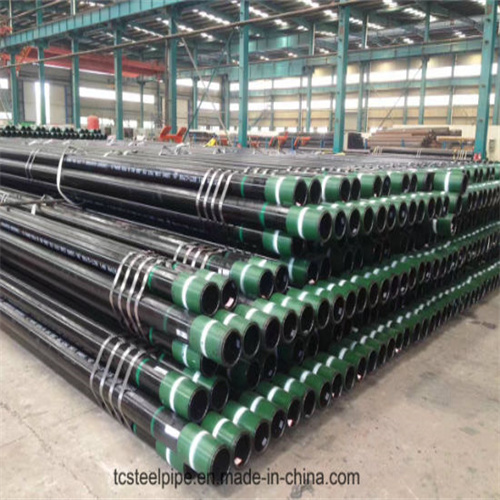
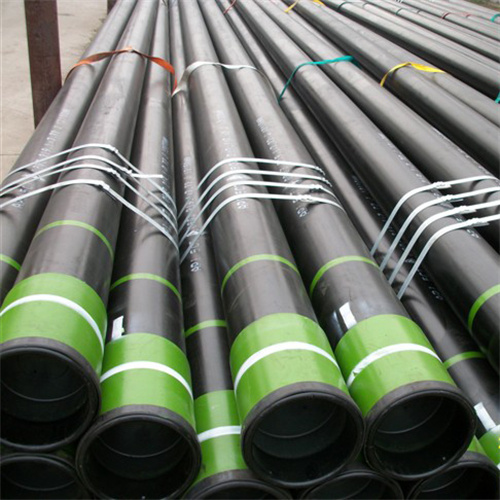
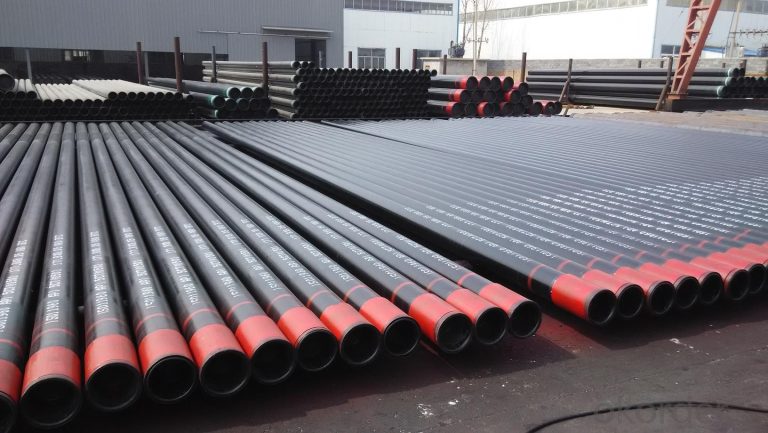
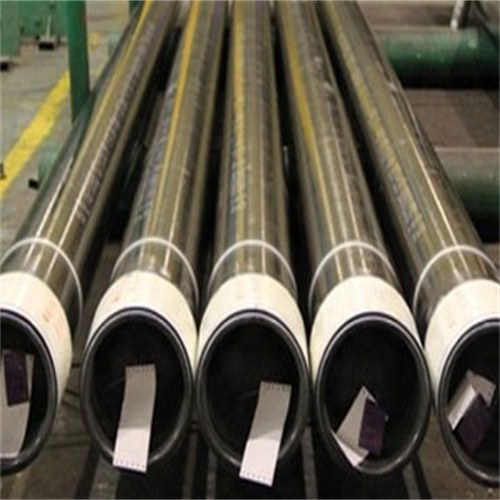
Vue d’ensemble des tuyaux en acier au carbone API 5L
api 5ct l80 9Cr BOÎTIER Meilleurs fabricants chinois
De plus, la nature mondiale du marché signifie que les fabricants s’engagent souvent dans le commerce international, exportant leurs produits vers divers pays. Cela élargit non seulement leur clientèle, mais favorise également la collaboration et l’échange de connaissances au sein de l’industrie. À mesure que le marché évolue, les fabricants doivent rester adaptables et réactifs aux besoins changeants des clients et aux tendances du secteur, en veillant à contiNuer à fournir des tuyaux en acier au carbone API 5L fiables et de haute qualité pour répondre aux demandes du secteur énergétique en constante croissance. En conclusion, l’industrie des tubes en acier au carbone API 5L se caractérise par des fabricants dynamiques engagés dans la qualité, l’innovation et la satisfaction des clients, jouant un rôle crucial dans le paysage énergétique mondial.
 The manufacturing process of API 5L Carbon Steel Pipes involves several stages, including the selection of raw Materials, forming, welding, and testing. high-quality steel is cHosen to ensure that the final product can withstand the demanding conditions of transportation and distribution. During the forming stage, the steel is shaped into Pipes through processes such as hot rolling or cold drawing. For Welded Pipes, the edges of the steel sheets are prepared and then joined together using various welding techniques, including submerged arc welding or electric resistance welding. Each method has its advantages, and the choice often depends on the intended application and the required specifications.
Once the pipes are formed, they undergo rigorous testing to ensure they meet the API 5L standards. This includes Non-destructive testing methods such as ultrasonic testing, radiographic testing, and Hydrostatic testing, which help identify any defects or weaknesses in the material. These tests are crucial, as they guarantee the integrity and reliability of the pipes, which are often used in critical infrastructure projects. Furthermore, Manufacturers must adhere to strict quality control measures throughout the production process, ensuring that each batch of pipes meets the required specifications before being shipped to customers.
In the wholesale market, dynamic manufacturers of API 5L carbon Steel Pipes play a vital role in supplying these essential products to various industries. These manufacturers often have extensive experience and expertise in the field, allowing them to produce high-quality pipes that meet the diverse needs of their clients. They typically offer a range of sizes, grades, and specifications, catering to the specific requirements of different projects. Additionally, many manufacturers provide customization options, enabling clients to obtain pipes tailored to their unique applications.
The demand for API 5L carbon steel pipes continues to grow, driven by the expansion of the Oil and Gas sector, as well as infrastructure development projects worldwide. As a result, manufacturers are constantly innovating and improving their production processes to enhance efficiency and reduce costs. This competitive landscape encourages manufacturers to invest in advanced technologies and equipment, ensuring that they can deliver high-quality products at competitive Prices.
Moreover, the global nature of the market means that manufacturers often engage in international trade, exporting their products to various countries. This not only expands their customer base but also fosters collaboration and knowledge exchange within the industry. As the market evolves, manufacturers must remain adaptable and responsive to changing customer needs and industry trends, ensuring that they continue to provide reliable and high-quality API 5L carbon steel pipes to meet the demands of the ever-growing energy sector. In conclusion, the API 5L carbon steel pipe industry is characterized by dynamic manufacturers committed to quality, innovation, and customer satisfaction, playing a crucial role in the global energy landscape.