Importance des normes API pour la fabrication :
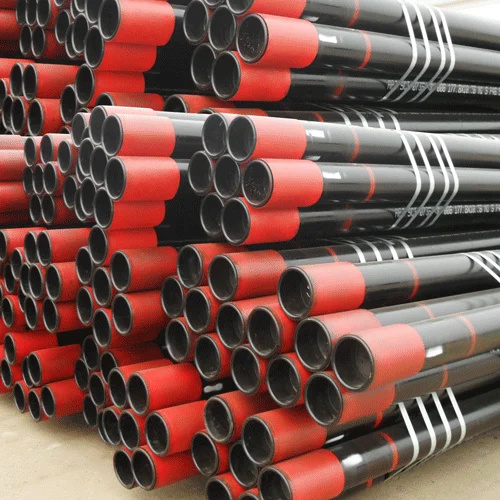
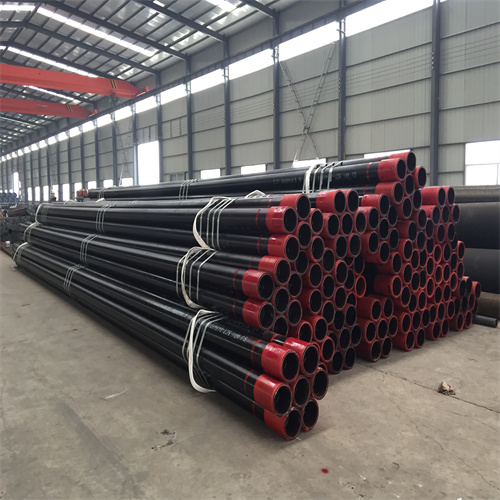
L’un des éléments clés des normes API dans le secteur de la fabrication est le tableau des boîtiers API. Ce tableau fournit des informations détaillées sur les dimensions, les propriétés et les caractéristiques de performance des tubages et des tubes utilisés dans les opérations de forage pétrolier et gazier. En se référant au tableau de tubage API, les fabricants peuvent sélectionner le type de tubage approprié pour des conditions de puits spécifiques, garantissant ainsi des performances et une longévité optimales.
En conclusion, les normes API sont essentielles pour l’industrie manufacturière car elles favorisent l’interopérabilité, la qualité, la sécurité et conformité. En respectant ces normes, les fabricants peuvent améliorer leur efficacité opérationnelle, la fiabilité de leurs produits et leur conformité réglementaire. Le tableau des tubages API, en particulier, est une ressource précieuse qui aide les fabricants à sélectionner le tubage approprié pour les opérations de forage. Dans l’ensemble, le respect des normes API est crucial pour garantir le succès et la durabilité des processus de fabrication et des produits dans diverses industries.
 One of the primary reasons why API standards are so vital in manufacturing is their role in promoting interoperability and compatibility. By following these standards, Manufacturers can ensure that their products and processes are designed and executed in a way that allows for seamless integration with other systems and components. This interoperability is essential in industries where different parts and equipment need to work together harmoniously to achieve optimal performance.
Moreover, API standards help manufacturers maintain a high level of quality in their products. These standards outline specific requirements and guidelines that manufacturers must follow to ensure that their products meet certain performance, safety, and durability criteria. By adhering to these standards, manufacturers can enhance the overall quality of their products, reduce defects and failures, and ultimately improve customer satisfaction.
In addition to quality, API standards also play a crucial role in ensuring the safety of manufacturing processes and products. These standards often include detailed specifications for Materials, design, testing, and inspection procedures that help mitigate risks and prevent accidents. By following these safety guidelines, manufacturers can create a secure working environment for their employees and produce products that meet stringent safety regulations.
Furthermore, API standards help manufacturers stay compliant with industry regulations and standards. In many sectors, including the Oil and Gas industry, adherence to API standards is not just a best practice but a legal requirement. By following these standards, manufacturers can demonstrate their commitment to quality, safety, and environmental responsibility, which can help them avoid costly fines, lawsuits, and reputational damage.
One of the key components of API standards in manufacturing is the api Casing chart. This chart provides detailed information about the dimensions, properties, and performance characteristics of casing and Tubing used in oil and gas drilling operations. By referring to the API casing chart, manufacturers can select the right type of casing for specific well conditions, ensuring optimal performance and longevity.
In conclusion, API standards are essential for the manufacturing industry as they promote interoperability, quality, safety, and compliance. By following these standards, manufacturers can enhance their operational efficiency, product reliability, and regulatory compliance. The API casing chart, in particular, is a valuable resource that helps manufacturers select the appropriate casing for drilling operations. Overall, adherence to API standards is crucial for ensuring the success and sustainability of manufacturing processes and products in various industries.