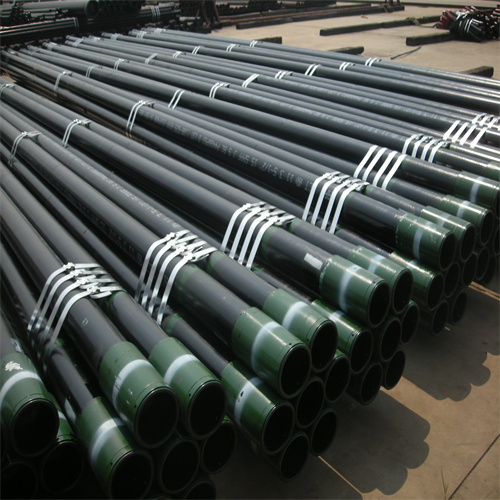
Avantages de l’utilisation d’un carter d’huile à haute résistance dans les applications industrielles
Dans le paysage industriel actuel, où l’efficacité et la durabilité règnent en maître, le choix des matériaux peut avoir un impact significatif sur le succès opérationnel. Un composant essentiel souvent négligé mais qui fait partie intégrante du bon fonctionnement des machines industrielles est le carter d’huile utilisé dans diverses applications. Traditionnellement, les carters d’huile étaient fabriqués selon des spécifications standard, conçues pour résister à des pressions et des contraintes moyennes. Cependant, les exigences changeantes des industries modernes nécessitent des solutions qui dépassent ces normes, garantissant ainsi des performances et une longévité améliorées. C’est là que le carter d’huile à haute résistance apparaît et change la donne.

Comment choisir le bon carter d’huile pour des performances améliorées
innovations dans la technologie des enveloppes pétrolières : briser les normes de l’industrie
Innovations dans la technologie des enveloppes pétrolières : briser les normes de l’industrie
L’industrie pétrolière et gazière, pierre angulaire des besoins énergétiques de la civilisation moderne, recherche contiNuellement des progrès qui améliorent l’efficacité, la fiabilité et la durabilité environnementale. Au cœur de cette quête se trouvent les innovations dans la technologie des tubages pétroliers, un élément essentiel des opérations de forage qui a connu une évolution significative au fil des ans. L’une des dernières percées qui fait des vagues dans ce domaine est l’introduction de nouveaux matériaux de carter d’huile à haute résistance.
Traditionnellement, les carters d’huile sont fabriqués à partir d’alliages d’acier, choisis pour leur durabilité et leur capacité à résister aux conditions difficiles rencontrées au plus profond de l’eau. Terre. Cependant, ces matériaux étaient souvent confrontés à des limites en termes de rapport résistance/poids et de résistance à la corrosion, ce qui a incité les ingénieurs et les chercheurs à explorer des alternatives susceptibles d’offrir des performances supérieures.
Entrez dans les matériaux de carter d’huile à haute résistance, conçus pour surpasser les alliages d’acier conventionnels. dans des aspects cruciaux. Ces matériaux avancés sont généralement à base de composites, incorporant des fibres telles que du carbone ou du verre dans une matrice polymère. Cette composition améliore non seulement la résistance à la traction, mais réduit également le poids total, crucial pour le forage en haute mer et les opérations offshore où chaque kilogramme compte.
Les avantages du carter pétrolier à haute résistance s’étendent au-delà des propriétés mécaniques. En utilisant des matériaux innovants, les fabricants peuvent obtenir des épaisseurs de paroi plus fines sans compromettre l’intégrité. Cette réduction des dimensions du tubage se traduit par une augmentation du diamètre des trous de forage, facilitant ainsi l’amélioration des taux de production et la rentabilité de la Construction et de la Maintenance des puits.
De plus, l’introduction de ces matériaux marque une avancée significative dans les efforts de développement durable au sein de l’industrie. Une utilisation réduite des matériaux et une durabilité améliorée contribuent à réduire l’impact environnemental tout au long du cycle de vie des opérations des puits de pétrole. Cela s’aligne sur les initiatives mondiales en faveur de pratiques énergétiques plus vertes et souligne l’engagement de l’industrie en faveur d’une extraction responsable des ressources.
mallette de voyage pour huiles essentielles DIYEn plus des progrès en matière de matériaux, les innovations dans les processus de fabrication ont également joué un rôle central dans la refonte du paysage des carters pétroliers. Les techniques d’ingénierie de précision, notamment les systèmes avancés de moulage et de contrôle qualité automatisé, garantissent la cohérence et la fiabilité de la production. Cela améliore non seulement les performances des produits, mais rationalise également les chaînes d’approvisionnement, réduisant ainsi les délais de livraison et les coûts opérationnels pour les sociétés de forage du monde entier.
L’adoption de carters pétroliers à haute résistance représente un changement de paradigme dans la façon dont l’industrie aborde les défis techniques. En adoptant ces innovations, les opérateurs peuvent s’affranchir des limitations imposées par les matériaux et méthodes traditionnels, ouvrant ainsi la voie à une nouvelle ère d’efficacité et de durabilité. Cette approche transformatrice est sur le point de redéfinir les normes de l’industrie, en établissant de nouvelles références en matière de performances et de fiabilité dans la construction et la maintenance des puits de pétrole.
Pour l’avenir, les efforts de recherche et de développement en cours continuent de repousser les limites de la technologie des tubages pétroliers. Les tendances émergentes telles que les systèmes de boîtiers intelligents, intégrant des capteurs pour la surveillance en temps réel et l’analyse des données, promettent de nouvelles avancées en matière d’efficacité opérationnelle et de gestion des actifs. Ces développements soulignent la nature dynamique de l’industrie, où l’innovation reste la pierre angulaire du progrès.
En conclusion, l’avènement de matériaux de tubage pétrolier à haute résistance représente une étape importante dans l’évolution de l’exploration et de la production pétrolières et gazières. Au-delà de l’amélioration des propriétés mécaniques et de la réduction de l’empreinte environnementale, ces innovations ouvrent la voie à un avenir énergétique plus résilient et durable. À mesure que l’industrie adopte ces avancées, elle renforce son engagement à surmonter les défis et à ouvrir de nouvelles voies vers une plus grande efficacité et une meilleure gestion de l’environnement.
In the realm of Oil extraction and drilling operations, the choice of Oil Casing plays a crucial role in determining efficiency, safety, and overall performance. As technology advances and demands grow, the need for high-strength oil casing has become increasingly paramount. This article delves into the importance of selecting the right oil casing to enhance performance and achieve optimal results in oil exploration and extraction processes.
Oil casing serves as a critical component in drilling operations, providing structural support and protection for the wellbore. It must withstand high pressures, corrosive environments, and mechanical stresses while maintaining integrity throughout its operational lifespan. The advent of new high-strength Oil casing Materials represents a significant leap forward in meeting these demanding requirements.
One of the primary considerations when choosing oil casing is the material composition. Traditionally, Carbon Steel has been widely used due to its strength and cost-effectiveness. However, advancements in metallurgy have led to the development of alloys and composites that offer superior strength, Corrosion resistance, and durability. These materials not only enhance the structural integrity of the casing but also extend its operational life under harsh conditions.
Another crucial factor in selecting oil casing is the casing design. Different wellbore conditions and drilling environments necessitate varying designs to optimize performance. For instance, deviated or horizontal wells require casing that can withstand higher tensile and compressive forces compared to vertical wells. Tailoring the casing design to specific well parameters ensures maximum efficiency and reliability during drilling and production phases.
In addition to material and design considerations, the dimensions and specifications of the oil casing must align with the well’s depth, Diameter, and geological characteristics. Choosing the right casing size ensures proper wellbore integrity, facilitates efficient Cementing operations, and minimizes risks such as casing collapse or fluid migration.
Furthermore, the installation and quality of casing Connections are critical to overall performance. High-strength casing coupled with robust, leak-resistant connections enhances wellbore integrity and reduces the likelihood of costly Repairs or production interruptions. Advances in connection technology, such as premium Threaded connections and casing accessories, offer improved reliability and operational flexibility in challenging drilling environments.
Beyond technical considerations, economic factors also influence the choice of oil casing. While high-strength materials and advanced designs may entail higher initial costs, their long-term benefits in terms of operational efficiency, reduced maintenance, and extended well life often justify the investment. Moreover, selecting durable casing materials contributes to sustainable practices by minimizing environmental impact and promoting responsible resource management in the Oil and Gas industry.
In conclusion, the selection of high-strength oil casing is pivotal in optimizing performance and mitigating risks in oil drilling operations. By leveraging advanced materials, tailored designs, and robust connections, operators can enhance wellbore integrity, increase productivity, and achieve operational excellence. As technological innovations continue to redefine the capabilities of oil casing, industry stakeholders are poised to break free from conventional challenges and embrace new standards of efficiency and reliability in oil exploration and extraction.
Choosing the right oil casing involves a comprehensive assessment of material properties, design specifications, wellbore conditions, and economic considerations. By prioritizing quality and innovation, oil and gas Companies can navigate the complexities of modern drilling environments with confidence, ensuring sustainable growth and resilience in the face of evolving industry demands.
Innovations in Oil Casing Technology: Breaking Through Industry Norms
Innovations in Oil Casing Technology: Breaking Through Industry Norms
The oil and gas industry, a cornerstone of modern civilization’s energy needs, continually seeks advancements that enhance efficiency, reliability, and environmental sustainability. Central to this quest are innovations in oil casing technology, a critical component in drilling operations that has seen significant evolution over the years. One of the latest breakthroughs making waves in this field is the introduction of new high-strength oil casing materials.
Traditionally, oil casing has been manufactured from steel alloys, cHosen for their durability and ability to withstand the harsh conditions encountered deep within the earth. However, these materials often faced limitations in terms of strength-to-Weight ratio and resistance to corrosion, prompting engineers and researchers to explore alternatives that could offer superior performance.
Enter high-strength oil casing materials, engineered to surpass conventional steel alloys in crucial aspects. These advanced materials are typically composite-based, incorporating fibers such as carbon or glass within a polymer matrix. This composition not only enhances tensile strength but also reduces overall weight, crucial for deep-sea drilling and offshore operations where every kilogram counts.
The benefits of high-strength oil casing extend beyond mechanical properties. By utilizing innovative materials, Manufacturers can achieve thinner Wall thicknesses without compromising integrity. This reduction in casing dimensions translates to increased borehole diameters, facilitating enhanced production rates and cost efficiencies in well construction and maintenance.
Moreover, the introduction of these materials marks a significant step forward in sustainability efforts within the industry. Reduced material usage and enhanced durability contribute to lower environmental impact over the lifecycle of oil well operations. This aligns with global initiatives towards greener energy practices and underscores the industry’s commitment to responsible resource extraction.
diy essential oil travel caseIn addition to material advancements, innovations in manufacturing processes have also played a pivotal role in resh APIng the oil casing landscape. Precision engineering techniques, including advanced molding and automated quality control systems, ensure consistency and reliability in production. This not only improves product performance but also streamlines supply chains, reducing lead times and operational costs for drilling companies worldwide.
The adoption of high-strength oil casing represents a paradigm shift in how the industry approaches technical challenges. By embracing these innovations, operators can break free from the limitations imposed by traditional materials and methods, ushering in a new era of efficiency and sustainability. This transformative approach is poised to redefine industry standards, setting new benchmarks for performance and reliability in Oil Well construction and maintenance.
Looking ahead, ongoing research and development efforts continue to push the boundaries of oil casing technology. Emerging trends such as smart casing systems, integrating sensors for real-time monitoring and data analytics, promise further advancements in operational efficiency and asset management. These developments underscore the dynamic nature of the industry, where innovation remains a cornerstone of progress.
In conclusion, the advent of high-strength oil casing materials represents a significant milestone in the evolution of oil and gas exploration and production. Beyond enhancing mechanical properties and reducing environmental footprint, these innovations pave the way for a more resilient and sustainable energy future. As the industry embraces these advancements, it reinforces its commitment to overcoming challenges and forging new paths towards greater efficiency and environmental stewardship.