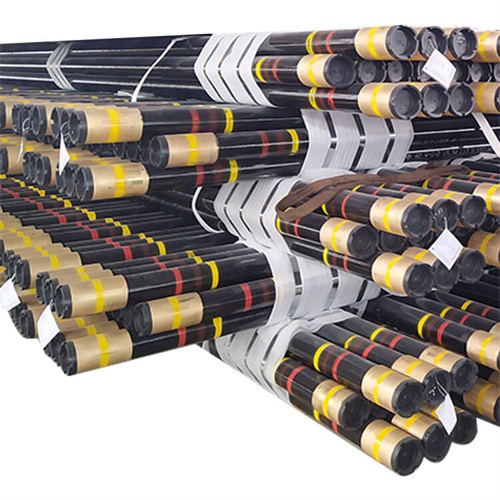
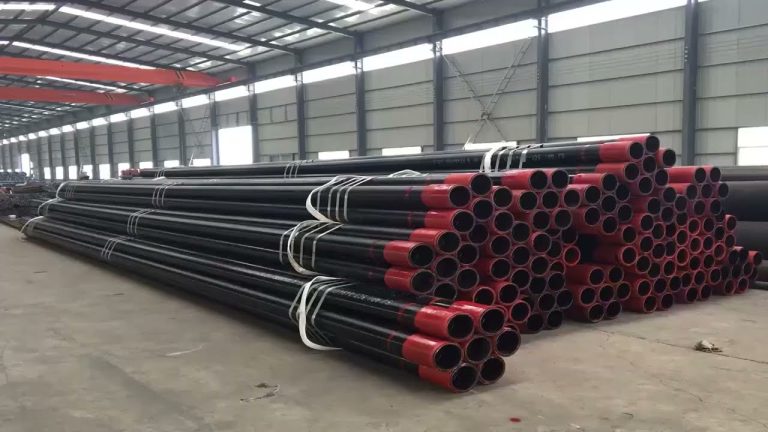
Propriétés des matériaux et caractéristiques des matériaux courants pour enveloppes d’huile
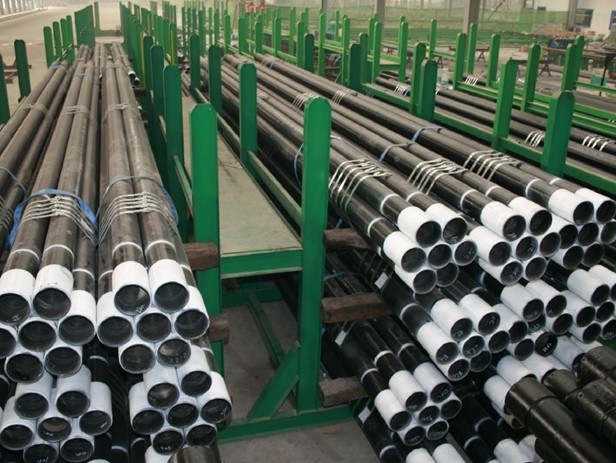
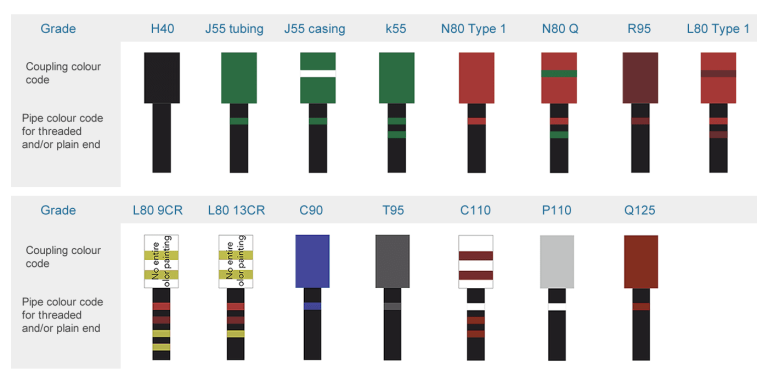
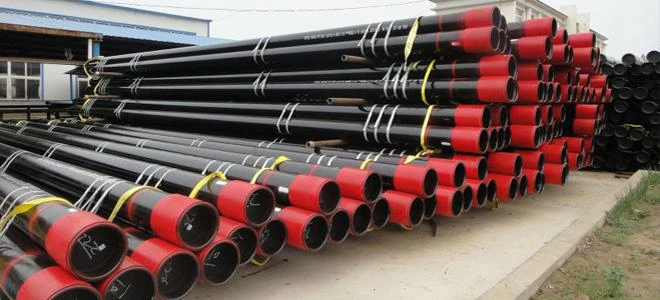
Quand il s’agit de l’industrie pétrolière et gazière, le choix des matériaux de tubage joue un rôle crucial pour garantir l’intégrité et l’efficacité des puits de pétrole. Comprendre les propriétés et les caractéristiques des matériaux de tubage pétrolier courants est essentiel pour mener une enquête comparative afin de déterminer l’option la plus appropriée pour des conditions de forage spécifiques.
L’une des principales considérations lors de la sélection des matériaux de tubage pétrolier est leurs propriétés mécaniques. Ces propriétés, notamment la résistance à la traction, la limite d’élasticité et la résistance aux chocs, déterminent la capacité du matériau à résister aux contraintes et aux pressions rencontrées lors des opérations de forage et de production. Une résistance élevée à la traction est particulièrement importante pour éviter la rupture du tubage sous le poids des formations rocheuses sus-jacentes.
Analyse comparative de la résistance à la corrosion des matériaux de cuvelage d’huile
Analyse des coûts et considérations économiques pour différents matériaux de tubage pétrolier
En outre, les considérations environnementales et les exigences réglementaires peuvent également influencer le choix des matériaux de tubage pétrolier. Les matériaux respectueux de l’environnement, recyclables et conformes aux normes et réglementations de l’industrie peuvent offrir des avantages à long terme en termes de durabilité et d’économies de coûts grâce à une réduction de l’impact environnemental et des coûts de conformité réglementaire.
Les considérations relatives aux différents matériaux de tubage d’huile comportent de multiples facettes et nécessitent une évaluation complète de divers facteurs. En menant une enquête comparative qui prend en compte le coût d’approvisionnement initial, le coût total de possession, l’efficacité opérationnelle, l’impact environnemental et la conformité réglementaire, les compagnies pétrolières peuvent prendre des décisions éclairées qui équilibrent la rentabilité avec la durabilité et les performances à long terme.
Cost Analysis and Economic Considerations for Different Oil Casing Materials
When considering the selection of materials for oil casing in the Petroleum Industry, cost analysis and economic factors play a crucial role in decision-making. The choice of casing material can significantly impact the overall cost of drilling operations and the long-term economic viability of oil extraction projects. In this context, conducting a comparative investigation of common oil casing materials becomes essential to make informed decisions.
One of the primary factors that influence the cost of oil casing materials is the initial procurement cost. Different materials, such as Carbon Steel, Stainless Steel, and various alloys, come with varying Price tags based on their composition and properties. While carbon steel may offer a cost-effective solution for certain applications, stainless steel and high-alloy materials often come at a higher price point due to their enhanced Corrosion resistance and mechanical properties.
However, the upfront cost of materials is just one aspect of the economic considerations involved in selecting oil casing materials. It is essential to evaluate the total cost of ownership over the lifecycle of the well. Factors such as Maintenance requirements, durability, and the potential for corrosion in the operating environment can impact the overall economic feasibility of a particular material choice.
Moreover, the choice of casing material can also influence the efficiency of drilling operations and the overall productivity of the well. Materials with superior mechanical properties and corrosion resistance may result in reduced downtime due to equipment failures and maintenance, leading to cost savings in the long run. Additionally, the compatibility of the casing material with the downhole environment and the fluids being extracted can impact the operational efficiency and longevity of the well.
In the context of cost analysis, it is essential to consider not only the material costs but also the installation and operational expenses associated with each type of casing material. Factors such as ease of installation, compatibility with drilling techniques, and the need for specialized equipment can all contribute to the overall cost-effectiveness of a particular material choice.

Furthermore, environmental considerations and regulatory requirements can also influence the selection of oil casing materials. Materials that are environmentally friendly, recyclable, and compliant with industry standards and regulations may offer long-term benefits in terms of sustainability and cost savings through reduced environmental impact and regulatory compliance costs.
mineral oil case modIn conclusion, the cost analysis and economic considerations for different oil casing materials are multifaceted and require a comprehensive evaluation of various factors. By conducting a comparative investigation that takes into account the initial procurement cost, total cost of ownership, operational efficiency, environmental impact, and regulatory compliance, oil Companies can make informed decisions that balance cost-effectiveness with long-term sustainability and performance.