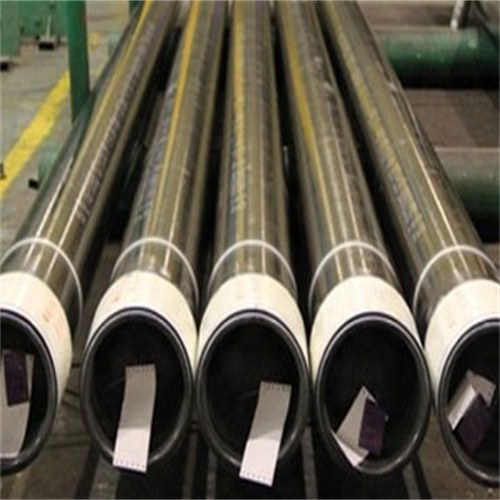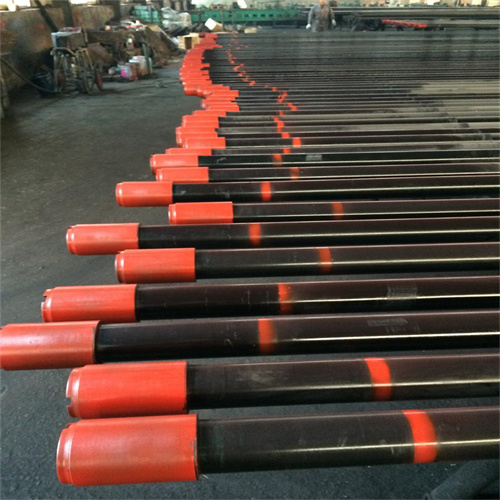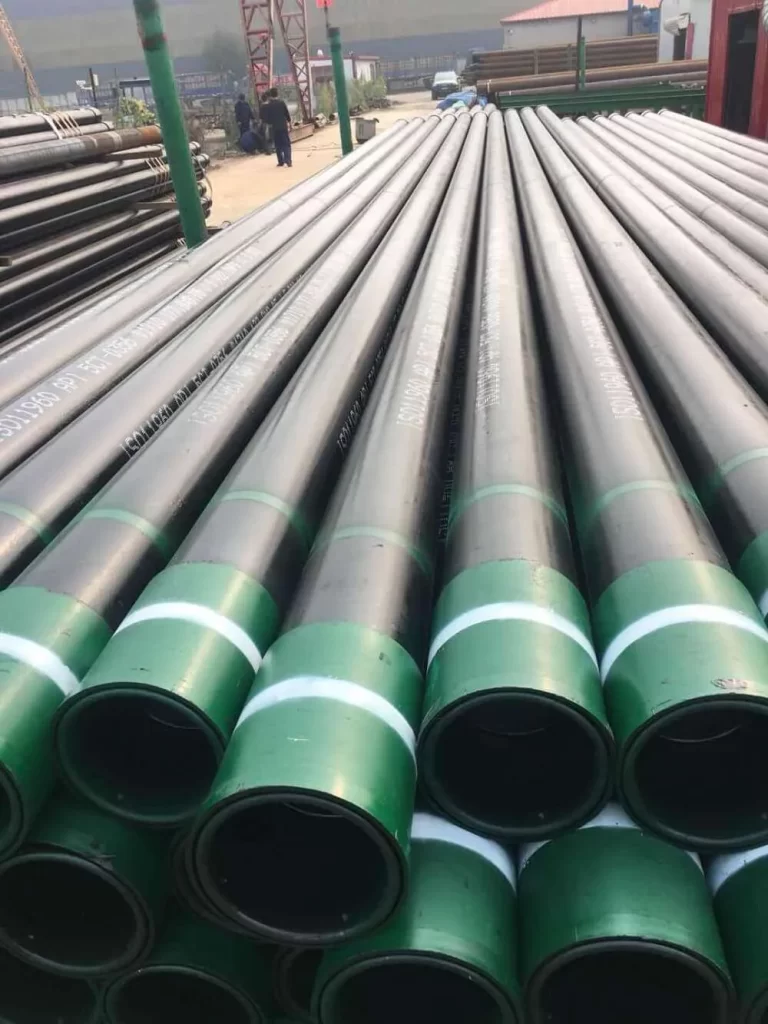
Différentes formes de tubage pétrolier : avez-vous réellement les connaissances nécessaires pour choisir ?
Dans le monde complexe du forage pétrolier, la sélection du tubage pétrolier approprié est une décision cruciale qui a un impact significatif sur l’efficacité et la sécurité des opérations. Le tubage pétrolier, un élément essentiel utilisé dans le forage des puits de pétrole, sert à stabiliser le puits de forage et à garantir le bon déroulement du processus d’extraction. Comprendre les différentes formes de carters pétroliers et leurs applications spécifiques est essentiel pour faire des choix éclairés dans ce domaine.
Usine de tubes en acier
En conclusion, le choix du tubage pétrolier n’est pas seulement une décision technique mais stratégique qui influence l’ensemble du cycle de vie d’un puits de pétrole. Cela nécessite une compréhension approfondie de la géologie, de l’ingénierie et de la science des matériaux. Avec les connaissances et l’expertise appropriées, la sélection du tubage approprié peut conduire à des opérations de forage pétrolier plus efficaces, plus sûres et plus productives. Comprendre les différentes formes de tubage pétrolier et leurs applications est non seulement bénéfique mais essentiel pour toute personne impliquée dans la planification et l’exécution de projets d’extraction pétrolière.
Lastly, the production Casing runs the entire Length of the wellbore, from the surface to the reservoir rock. It is the final casing installed and is crucial for maintaining the well’s long-term performance. The production casing isolates the production zone and ensures that Oil or Gas flows up to the surface efficiently, without contamination from other fluids or sediments.
Choosing the right type of casing involves a thorough understanding of the geological environment, the physical and chemical properties of the oil or gas to be extracted, and the depths involved. Each layer of casing provides a progressively tighter Seal and greater protection, making the selection process a balancing act between cost, performance, and safety.
The Materials used for these casings also vary. Steel is commonly used due to its strength and durability, but the grade and type of steel are selected based on the specific environmental conditions and stresses it will face. innovations in material science have led to the development of new alloys and composite materials that offer enhanced performance in extreme conditions.
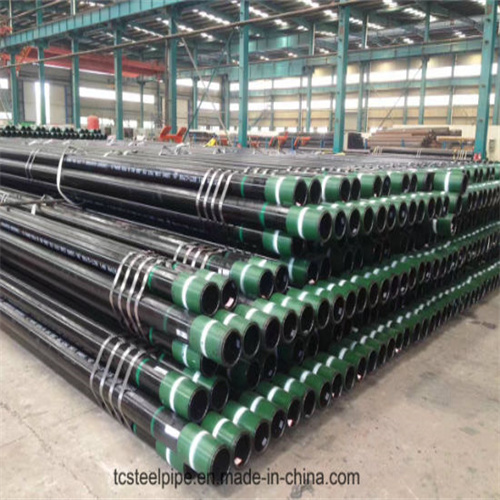
In conclusion, the choice of Oil Casing is not merely a technical decision but a strategic one that influences the entire lifecycle of an Oil Well. It requires a deep understanding of geology, engineering, and material science. With the right knowledge and expertise, the selection of the appropriate casing can lead to more efficient, safer, and more productive oil drilling operations. Understanding the different forms of oil casing and their applications is not just beneficial but essential for anyone involved in the planning and execution of oil extraction projects.