Facteurs à prendre en compte lors de la sélection des matériaux du carter d’huile
Fonctionnalités avancées des substances de cuvelage pétrolières modernes
En plus des propriétés mécaniques et chimiques, la sélection des substances d’enveloppe prend également en compte leur capacité de fabrication et leur rentabilité. Les techniques de fabrication modernes permettent une mise en forme et un soudage précis des tubes de tubage, garantissant ainsi la précision dimensionnelle et la cohérence des performances. De plus, les progrès de la science des matériaux et de la technologie de production ont permis de développer des matériaux de boîtier offrant des performances supérieures tout en optimisant les coûts de production.
La durabilité environnementale devient de plus en plus une priorité dans l’industrie pétrolière et gazière. Les substances d’enveloppe sont évaluées non seulement pour leur efficacité opérationnelle mais également pour leur impact environnemental tout au long de leur cycle de vie. Les pratiques durables en matière d’approvisionnement en matériaux, de processus de fabrication et d’élimination en fin de vie font partie intégrante de la réduction de l’empreinte environnementale des opérations de forage pétrolier.
L’évolution des substances de tubage pétrolier reflète les progrès continus de la science et de l’ingénierie des matériaux. Les chercheurs et les fabricants contiNuent d’innover en explorant de nouveaux matériaux et technologies pour améliorer les performances et la durabilité des matériaux de boîtier. Des nano-revêtements qui améliorent la résistance à la corrosion aux matériaux composites qui offrent des solutions à la fois légères et robustes, l’industrie repousse les limites pour répondre aux besoins changeants de l’exploration et de la production pétrolières.
En conclusion, les caractéristiques et la sélection des substances de tubage pétrolier sont essentielles dans le succès et la sécurité des opérations de forage pétrolier. Les matériaux de boîtier modernes combinent résistance mécanique, résistance à la corrosion, stabilité thermique et durabilité environnementale pour répondre aux exigences rigoureuses de l’industrie. À mesure que la technologie progresse, les capacités des substances de tubage pétrolier augmenteront également, garantissant une efficacité et une sécurité continues dans l’exploration et l’extraction des ressources pétrolières dans le monde entier.
In the realm of Oil extraction, the selection and features of Casing substances play a crucial role in ensuring operational efficiency, environmental safety, and overall effectiveness. Modern Oil Casing substances have evolved significantly, offering advanced features that meet the demanding requirements of today’s oil drilling operations.
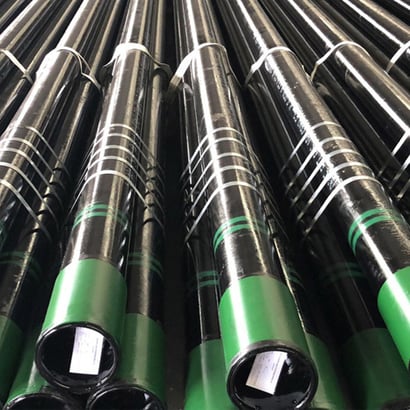
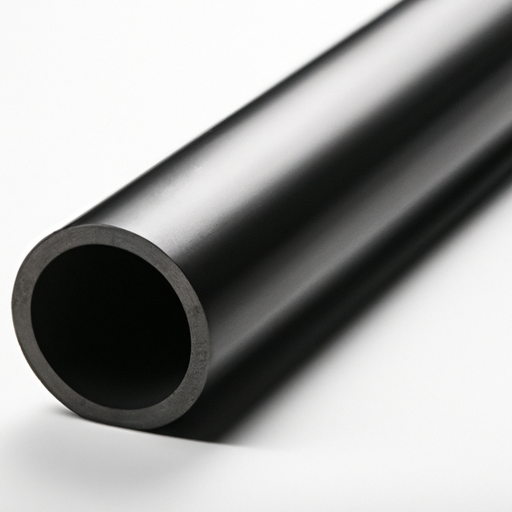
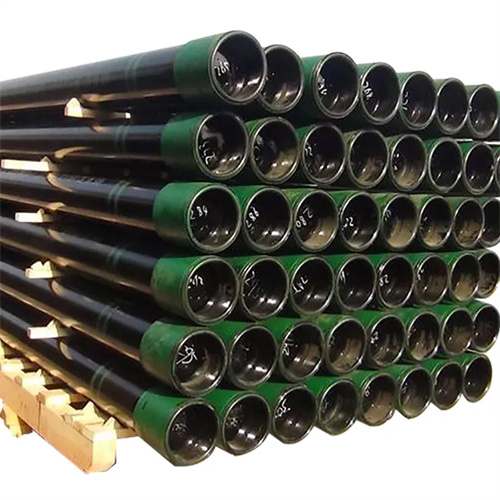
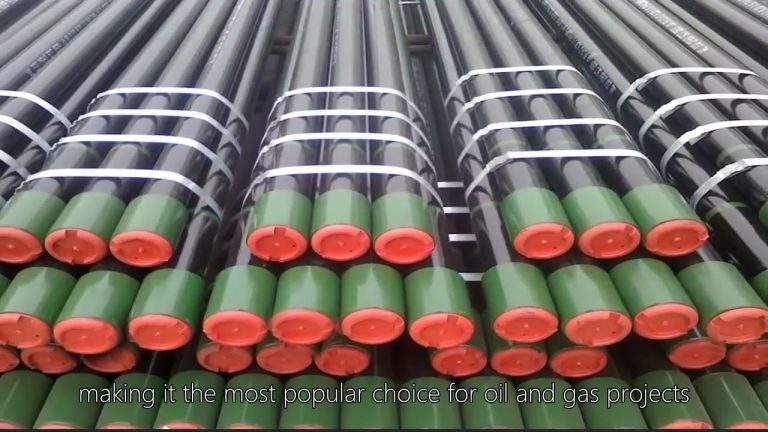
Oil casing serves as a critical component in Oil Wells, providing structural support and protecting the wellbore from external forces and geological formations. The substances used in casing must possess specific characteristics to withstand high pressures, corrosive environments, and various temperatures encountered during drilling and production processes.
One of the primary considerations in selecting casing substances is their mechanical strength. Modern Materials such as high-strength Steel alloys are favored for their ability to withstand immense pressure and maintain integrity under challenging conditions deep underground. These alloys are meticulously engineered to balance strength and flexibility, crucial for withstanding the forces exerted during drilling and extraction.
Corrosion resistance is another critical feature in oil casing substances. Oil wells often encounter corrosive environments due to the presence of hydrogen sulfide, carbon dioxide, and other chemicals. Advanced alloys and coatings are applied to casing materials to protect against corrosion, ensuring prolonged service life and minimizing Maintenance requirements.
Furthermore, the thermal stability of casing substances is paramount. Oil wells can experience extreme temperature variations as drilling progresses deeper into the earth. Casing materials must maintain their structural integrity and mechanical properties across a wide range of temperatures, from subzero conditions in arctic environments to high temperatures in desert regions.
In addition to mechanical and chemical properties, the selection of casing substances also considers their manufacturability and cost-effectiveness. Modern manufacturing techniques allow for precise sh APIng and welding of Casing Pipes, ensuring dimensional accuracy and consistency in performance. Moreover, advancements in material science and production technology have made it possible to develop casing materials that offer superior performance while optimizing production costs.
Environmental sustainability is increasingly becoming a focus in the Oil and Gas industry. Casing substances are evaluated not only for their operational efficiency but also for their environmental impact throughout their lifecycle. Sustainable practices in material sourcing, manufacturing processes, and end-of-life disposal are integral to minimizing the environmental footprint of oil drilling operations.
The evolution of oil casing substances reflects ongoing advancements in materials science and engineering. Researchers and Manufacturers continue to innovate, exploring new materials and technologies to enhance the performance and sustainability of casing materials. From nano-coatings that improve corrosion resistance to composite materials that offer lightWeight yet robust solutions, the industry is pushing boundaries to meet the evolving needs of oil exploration and production.
In conclusion, the features and selection of oil casing substances are pivotal in the success and safety of oil drilling operations. Modern casing materials combine mechanical strength, corrosion resistance, thermal stability, and environmental sustainability to meet the rigorous demands of the industry. As technology advances, so too will the capabilities of oil casing substances, ensuring continued efficiency and safety in the exploration and extraction of oil resources around the globe.