Composition des matériaux et résistance du carter d’huile
Conception technique pour des conditions de température et de pression extrêmes
Revêtements protecteurs et résistance à la corrosion
L’une des principales considérations lors du choix du bon revêtement est sa capacité à adhérer fermement au substrat métallique. L’adhérence garantit que le revêtement reste intact même sous des contraintes mécaniques telles que des vibrations ou des impacts lors des opérations de perçage. De plus, le revêtement doit conserver sa flexibilité pour s’adapter aux dilatations et contractions thermiques sans se fissurer ni se délaminer, ce qui pourrait compromettre sa fonction de protection.
Au-delà de l’adhésion, la durabilité est un autre facteur crucial. Les carters de pétrole devraient rester en service pendant des années, subissant des charges cycliques, des fluctuations de température et une exposition à des substances agressives présentes dans les formations pétrolifères. Un revêtement durable protège non seulement le boîtier de la corrosion immédiate, mais minimise également le besoin d’entretien ou de remplacement fréquent, réduisant ainsi les temps d’arrêt et les coûts opérationnels.
En choisissant un revêtement de protection, les ingénieurs et les opérateurs tiennent également compte de sa résistance à l’abrasion. Pendant l’installation et l’exploitation, les carters d’huile peuvent entrer en contact avec des particules abrasives transportées par les fluides de forage ou subir une abrasion mécanique causée par les outils et l’équipement. Un revêtement robuste avec une résistance élevée à l’abrasion contribue à maintenir son intégrité protectrice tout au long de la durée de vie opérationnelle du boîtier.
De plus, l’impact environnemental des revêtements de protection est de plus en plus surveillé. Les progrès de la technologie des revêtements ont conduit au développement de formulations non seulement efficaces mais également respectueuses de l’environnement. Les revêtements à faible teneur en COV (composés organiques volatils) et ceux sans métaux lourds sont des choix privilégiés, conformément aux réglementations environnementales mondiales et aux objectifs de développement durable de l’industrie.
Ces dernières années, la nanotechnologie est apparue comme une frontière prometteuse dans l’amélioration des performances des revêtements de protection. Les additifs à l’échelle nanométrique peuvent améliorer les propriétés barrières du revêtement, augmenter sa dureté et conférer des capacités d’auto-guérison en réponse à des dommages mineurs. Ces progrès contribuent à prolonger la durée de vie des carters d’huile et à réduire l’empreinte environnementale globale des opérations d’extraction de pétrole.
En conclusion, le rôle des revêtements protecteurs dans la protection des carters d’huile contre la corrosion ne peut être surestimé. En choisissant le bon système de revêtement, conçu pour résister aux défis environnementaux et aux exigences opérationnelles spécifiques, les opérateurs pétroliers garantissent la fiabilité et la longévité de leur infrastructure. À mesure que l’industrie contiNue d’évoluer, sous l’impulsion des innovations technologiques et des considérations de durabilité, le développement de revêtements avancés jouera un rôle central dans l’élaboration de l’avenir de l’extraction pétrolière dans le monde.
Engineering Design for Extreme Temperature and Pressure Conditions
In the realm of engineering, few challenges are as formidable as designing structures to withstand extreme temperature and pressure conditions. Among these feats of engineering, the Oil Casing stands out as a critical component in the extraction and transportation of petroleum products from deep beneath the Earth\’s surface. This article delves into the meticulous design considerations and Materials science that enable oil casings to maintain their integrity in some of the harshest environments known to man.
At the heart of every Oil Well, the casing plays a pivotal role in ensuring the stability and efficiency of the drilling operation. It serves as a barrier between the extracted fluids and the surrounding geological formations, preventing contamination and maintaining pressure integrity. In environments characterized by high temperatures and pressures, such as deep-sea wells or tHose in geologically active regions, the challenges posed to oil casings are immense.
One of the primary design considerations for oil casings in extreme environments is material selection. These casings are typically made from high-strength alloys that exhibit exceptional mechanical properties even under extreme conditions. Alloys such as Carbon Steel, Stainless Steel, and various corrosion-resistant alloys (CRAs) are favored for their ability to withstand corrosive environments and high mechanical stresses. The choice of alloy depends on factors such as the expected temperature and chemical composition of the extracted fluids.
In addition to material selection, the design of oil casings incorporates various structural features aimed at enhancing their resilience. The casings are engineered to withstand external pressures exerted by the surrounding geological formations and internal pressures from the extracted fluids. Special attention is given to the Wall thickness, which is calculated to ensure sufficient strength and prevent deformations that could compromise the integrity of the well.
Furthermore, the installation process of oil casings is a critical aspect of their performance in extreme environments. Advanced drilling techniques such as directional drilling and hydraulic fracturing have enabled the extraction of Oil and Gas from previously inaccessible reservoirs. These techniques place additional demands on oil casings, requiring them to withstand complex loading conditions and prolonged exposure to aggressive fluids.
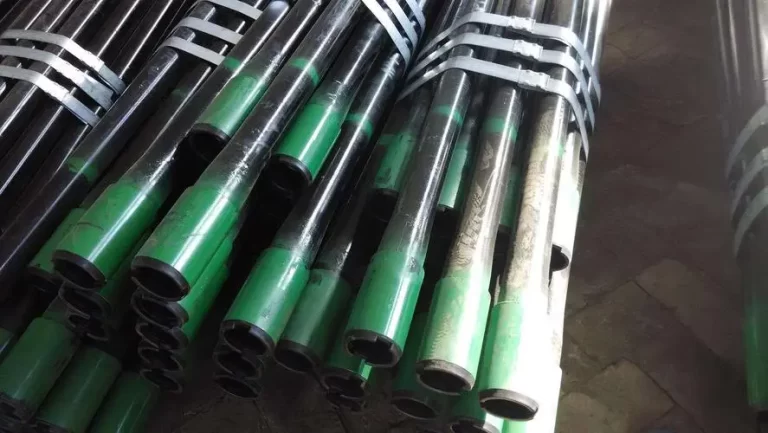
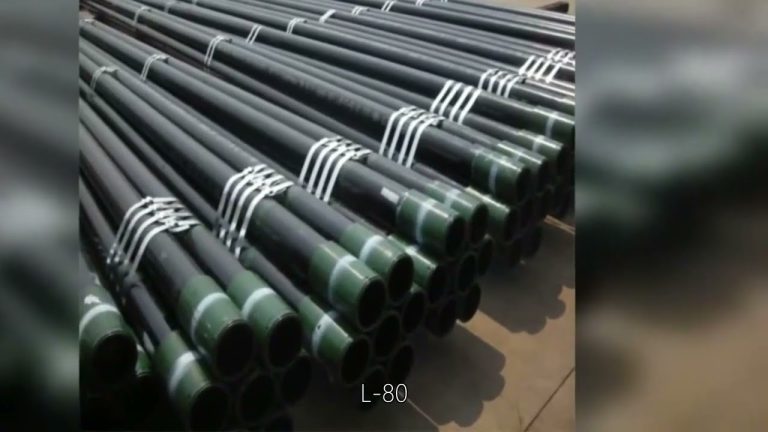
To mitigate the effects of corrosion and erosion, which are exacerbated in extreme environments, oil casings are often equipped with protective coatings and liners. These coatings serve as a barrier against corrosive substances present in the extracted fluids and provide an additional layer of defense against mechanical wear. Additionally, periodic inspections and Maintenance procedures are implemented to monitor the condition of the casings and ensure continued operational safety.
In conclusion, the design and engineering of oil casings for extreme temperature and pressure conditions represent a triumph of scientific innovation and practical application. Through careful material selection, meticulous design, and advanced manufacturing techniques, engineers have been able to develop casings that can withstand the rigors of deep-sea drilling, high-pressure reservoirs, and corrosive environments. As the demand for energy continues to grow and exploration ventures into more challenging terrains, the role of robust and reliable oil casings will remain indispensable in the quest for sustainable energy solutions.
In essence, the resilience of oil casings in extreme environments underscores the intersection of engineering excellence and environmental stewardship. By pushing the boundaries of materials science and structural design, engineers continue to pave the way for safer, more efficient, and environmentally responsible oil exploration and production practices.
Protective Coatings and Corrosion resistance
Oil casings endure some of the harshest conditions on Earth, from the searing heat of desert climates to the corrosive saltwater environments found offshore. To withstand such extremes and ensure the integrity of oil wells, protective coatings play a pivotal role in enhancing corrosion resistance and extending the lifespan of these critical components.
At the heart of oil casing protection lies the science of corrosion resistance. Corrosion, a natural chemical process, occurs when metals react with their environment, leading to degradation and potential structural failure over time. In oil extraction, where conditions can vary dramatically, from the icy Arctic to the humid tropics, preventing corrosion is not just about extending the lifespan of equipment but also ensuring operational safety and efficiency.
Protective coatings serve as a frontline defense against corrosion. These coatings are meticulously designed and applied to oil casings, providing a barrier between the metal surface and the surrounding environment. They are formulated to resist the specific challenges posed by oilfield conditions, including exposure to moisture, chemicals, and physical wear and tear.
 One of the key considerations in choosing the right coating is its ability to adhere firmly to the metal substrate. Adhesion ensures that the coating remains intact even under mechanical stresses such as vibrations or impacts during drilling operations. Furthermore, the coating must maintain flexibility to accommodate thermal expansions and contractions without cracking or delaminating, which could compromise its protective function.
Beyond adhesion, durability is another crucial factor. Oil casings are expected to remain in service for years, enduring cyclic loading, temperature fluctuations, and exposure to aggressive substances present in oil-bearing formations. A durable coating not only protects the casing from immediate corrosion but also minimizes the need for frequent maintenance or replacement, thus reducing operational downtime and costs.
In selecting a protective coating, engineers and operators also consider its resistance to abrasion. During installation and operation, oil casings may come into contact with abrasive particles carried by drilling fluids or encounter mechanical abrasion from tools and equipment. A robust coating with high abrasion resistance helps maintain its protective integrity throughout the casing’s operational life.
Moreover, the environmental impact of protective coatings is increasingly under scrutiny. Advances in coating technology have led to the development of formulations that are not only effective but also environmentally friendly. Low-VOC (volatile organic compound) coatings and those free from heavy metals are preferred choices, aligning with global environmental regulations and industry sustainability goals.
In recent years, nanotechnology has emerged as a promising frontier in enhancing the performance of protective coatings. Nano-scale additives can improve the coating’s barrier properties, increase its hardness, and impart self-healing capabilities in response to minor damage. These advancements contribute to extending the lifespan of oil casings and reducing the overall environmental footprint of oil extraction operations.
In conclusion, the role of protective coatings in safeguarding oil casings against corrosion cannot be overstated. By choosing the right coating system, engineered to withstand specific environmental challenges and operational demands, oil operators ensure the reliability and longevity of their infrastructure. As the industry continues to evolve, driven by technological innovations and sustainability considerations, the development of advanced coatings will play a pivotal role in sh APIng the future of oil extraction worldwide.