Importance d’une sélection appropriée des tubages pétroliers dans les opérations de forage
Conséquences de la négligence des propriétés des matériaux de tubage pétrolier sur l’intégrité du puits
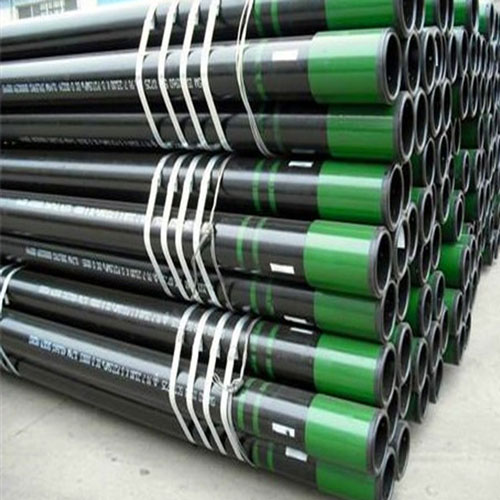
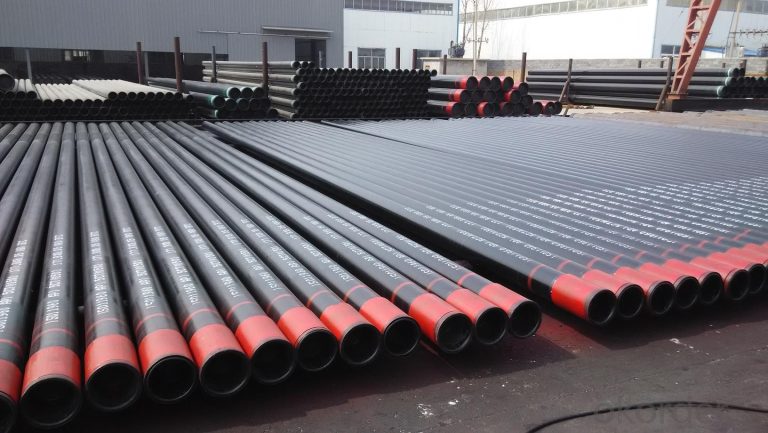
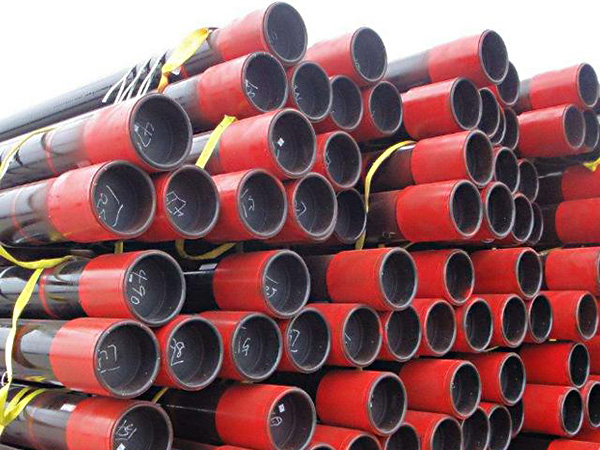
 API 5ct K55 BOÎTIER Meilleurs fabricants chinois
En conclusion, les conséquences de la négligence des propriétés des matériaux de tubage pétrolier dans le contexte de l’intégrité des puits sont considérables et multiformes. Des risques immédiats de défaillance du boîtier et de contamination de l’environnement aux implications à long terme sur l’efficacité opérationnelle et la conformité réglementaire, l’importance de comprendre et de prioriser ces propriétés matérielles ne peut être surestimée. Les entreprises impliquées dans l’extraction pétrolière doivent reconnaître qu’investir dans les bons matériaux de tubage n’est pas simplement une considération technique mais un aspect fondamental de la gestion durable et responsable des ressources. Ce faisant, ils peuvent protéger non seulement leurs opérations, mais également l’environnement et les communautés qui dépendent de ces ressources vitales.
Neglecting the essential properties of Oil Casing Materials in the context of well integrity can lead to a multitude of severe consequences that not only jeopardize the safety and efficiency of oil extraction operations but also pose significant environmental risks. The integrity of a well is paramount, as it serves as the barrier between the hydrocarbons being extracted and the surrounding geological formations, including aquifers and other critical resources. When the material properties of the casing are overlooked, the repercussions can be both immediate and long-lasting, affecting not only the operational viability of the well but also the broader ecosystem.
One of the primary consequences of neglecting oil casing material properties is the increased risk of casing failure. Casing is designed to withstand various stresses, including internal pressure from the hydrocarbons, external pressures from the surrounding earth, and thermal stresses from the production process. If the material properties, such as tensile strength, Corrosion resistance, and thermal stability, are not adequately considered, the casing may become susceptible to deformation, cracking, or even complete failure. Such failures can lead to catastrophic blowouts, which not only endanger the lives of personnel on-site but also result in significant financial losses due to halted operations and the costs associated with emergency response measures.
Moreover, the failure of casing can lead to the contamination of groundwater resources. When the integrity of the casing is compromised, hydrocarbons and other harmful substances can migrate into surrounding formations, potentially reaching aquifers that supply drinking water to nearby communities. This contamination can have dire consequences for public health and safety, leading to long-term environmental damage and costly remediation efforts. The implications of such contamination extend beyond immediate health concerns, as they can also result in legal liabilities and damage to the reputation of the Companies involved.
In addition to environmental and safety concerns, neglecting the properties of oil casing materials can also lead to operational inefficiencies. For instance, if the casing is not designed to withstand the specific conditions of the well, such as high temperatures or corrosive environments, it may require frequent Maintenance or replacement. This not only increases operational costs but also leads to downtime, which can significantly impact production schedules and profitability. Companies may find themselves facing unexpected expenses related to Repairs and replacements, which could have been avoided with proper attention to material properties during the design phase.
Furthermore, the regulatory landscape surrounding oil extraction is becoming increasingly stringent, with governments and environmental agencies imposing stricter standards for well integrity. Companies that fail to adhere to these standards due to neglecting material properties may face penalties, fines, or even the suspension of their operations. This regulatory pressure underscores the importance of ensuring that casing materials are selected and utilized based on their properties, as compliance is not only a legal obligation but also a critical component of responsible resource management.
API 5CT k55 casing Best china Manufacturers
In conclusion, the consequences of neglecting oil casing material properties in the context of well integrity are far-reaching and multifaceted. From the immediate risks of casing failure and environmental contamination to the long-term implications for operational efficiency and regulatory compliance, the importance of understanding and prioritizing these material properties cannot be overstated. Companies involved in oil extraction must recognize that investing in the right casing materials is not merely a technical consideration but a fundamental aspect of sustainable and responsible resource management. By doing so, they can safeguard not only their operations but also the environment and communities that depend on these vital resources.