Techniques améliorées de résistance à la corrosion dans la technologie des enveloppes pétrolières
Intégration de l’IoT et de l’analyse des données pour une surveillance et une Maintenance améliorées
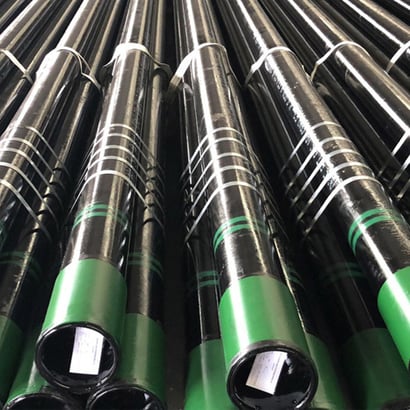
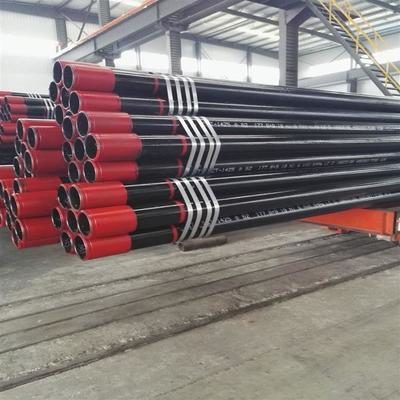
Boîtier de puits de 10 pouces
 Matériaux et processus de fabrication durables pour l’innovation dans les boîtiers pétroliers
La technologie des cuvelages pétroliers joue un rôle crucial dans l’industrie pétrolière et gazière, en fournissant un soutien structurel et une protection aux puits pendant les opérations de forage et de production. À l’ère actuelle de l’innovation, les défis et les opportunités dans la technologie des caissons pétroliers évoluent r APIdement, motivés par le besoin de matériaux et de processus de fabrication durables.
L’un des principaux défis de la technologie des caissons pétroliers est la demande de matériaux capables de résister aux rigueurs du fond de trou. conditions tout en étant respectueux de l’environnement. Les matériaux traditionnels comme l’acier au carbone ont été le choix privilégié pour le boîtier en raison de leur résistance et de leur durabilité. Cependant, ces matériaux peuvent être sujets à la corrosion et à la dégradation au fil du temps, entraînant une maintenance et un remplacement coûteux.
Pour relever ces défis, l’industrie explore l’utilisation de matériaux avancés tels que les alliages et les composites résistants à la corrosion. Ces matériaux offrent une résistance améliorée à la corrosion et à l’érosion, prolongeant la durée de vie des composants du tubage et réduisant l’impact environnemental des opérations de forage. En incorporant des matériaux durables dans la conception des tubages pétroliers, les opérateurs peuvent améliorer la fiabilité et la longévité des puits tout en minimisant leur empreinte carbone.
En plus de la sélection des matériaux, les processus de fabrication jouent un rôle essentiel dans le développement de solutions innovantes de tubage pétrolier. Les méthodes de fabrication traditionnelles impliquent souvent une consommation d’énergie et une production de déchets élevées, contribuant ainsi à l’empreinte environnementale de l’industrie. Pour surmonter ces défis, les fabricants adoptent des techniques de fabrication avancées telles que la fabrication additive (impression 3D) et l’usinage automatisé.
La fabrication additive permet la production de géométries complexes avec moins de déchets de matériaux, conduisant à des conceptions de boîtiers plus efficaces et durables. En tirant parti de l’automatisation et de la robotique dans les processus d’usinage, les fabricants peuvent améliorer la précision et la cohérence tout en minimisant la consommation d’énergie et les émissions. Ces progrès dans la technologie de fabrication révolutionnent la façon dont les composants de carters d’huile sont produits, les rendant plus rentables et plus respectueux de l’environnement.
De plus, l’intégration de technologies numériques telles que les capteurs IoT et l’analyse de données permettent une surveillance en temps réel et une maintenance prédictive. des systèmes de tubage d’huile. En collectant et en analysant les données sur les performances du boîtier, les opérateurs peuvent identifier les problèmes potentiels avant qu’ils ne s’aggravent, réduisant ainsi les temps d’arrêt et améliorant l’efficacité opérationnelle. Cette approche proactive de la maintenance améliore non seulement la sécurité et la fiabilité, mais contribue également à la durabilité globale des opérations de forage.
En conclusion, les défis et les opportunités de la technologie des cuvelages pétroliers sont étroitement liés à la transition de l’industrie vers des pratiques durables. En adoptant des matériaux, des processus de fabrication et des technologies numériques innovants, le secteur pétrolier et gazier peut surmonter les défis existants et ouvrir de nouvelles possibilités pour des opérations de forage efficaces et respectueuses de l’environnement. L’avenir de la technologie des boîtiers pétroliers réside dans l’innovation contiNue et la collaboration tout au long de la chaîne de valeur pour susciter un changement positif dans le secteur de l’énergie.
In the realm of Oil Casing technology, the integration of IoT (Internet of Things) and data analytics has emerged as a pivotal advancement, offering a transformative approach to monitoring and maintenance practices. This integration represents a significant shift in the industry, providing oil Companies with unprecedented insights and capabilities to enhance operational efficiency and mitigate risks.
One of the key challenges that oil casing technology faces is the need for real-time monitoring and predictive maintenance. Traditional methods often fall short in providing timely and accurate data on the condition of oil casings, leading to potential failures and costly downtime. By leveraging IoT devices and sensors, companies can now collect a wealth of real-time data on various parameters such as temperature, pressure, and corrosion levels. This data can be analyzed using advanced data analytics techniques to predict potential issues before they escalate, enabling proactive maintenance strategies.
Moreover, the integration of IoT and data analytics enables remote monitoring of oil casing assets, reducing the need for manual inspections and onsite personnel. This not only improves operational efficiency but also enhances safety by minimizing human exposure to hazardous environments. By utilizing IoT-enabled devices, companies can monitor the health and performance of oil casings from a centralized location, allowing for quick decision-making and response to any anomalies detected.
Furthermore, data analytics plays a crucial role in optimizing maintenance schedules and resource allocation. By analyzing historical data and performance trends, companies can identify patterns and correlations that can help in predicting the remaining useful life of oil casings. This predictive maintenance approach allows for targeted interventions and resource allocation, ultimately reducing maintenance costs and extending the lifespan of assets.
In addition to predictive maintenance, IoT integration offers opportunities for condition-based monitoring, where sensors continuously monitor the health of oil casings and trigger alerts when predefined thresholds are exceeded. This proactive approach enables companies to address potential issues before they lead to catastrophic failures, thereby minimizing downtime and maximizing operational uptime.
Overall, the integration of IoT and data analytics in oil casing technology presents a paradigm shift in the industry, offering new insights and opportunities for improved monitoring and maintenance practices. By harnessing the power of real-time data and predictive analytics, companies can enhance operational efficiency, reduce risks, and optimize resource utilization in an era of innovation and technological advancement.
Sustainable Materials and Manufacturing Processes for Oil Casing Innovation
Oil casing technology plays a crucial role in the Oil and Gas industry, providing structural support and protection for wells during drilling and production operations. In today’s era of innovation, the challenges and opportunities in oil casing technology are evolving rapidly, driven by the need for sustainable materials and manufacturing processes.
One of the key challenges in oil casing technology is the demand for materials that can withstand harsh downhole conditions while also being environmentally friendly. Traditional materials like Carbon Steel have been the go-to choice for casing due to their strength and durability. However, these materials can be prone to corrosion and degradation over time, leading to costly maintenance and replacement.
To address these challenges, the industry is exploring the use of advanced materials such as corrosion-resistant alloys and composites. These materials offer improved resistance to corrosion and erosion, extending the lifespan of casing components and reducing the environmental impact of drilling operations. By incorporating sustainable materials into oil casing design, operators can enhance the reliability and longevity of wells while minimizing their carbon footprint.
In addition to material selection, manufacturing processes play a critical role in the development of innovative oil casing solutions. Traditional manufacturing methods often involve high energy consumption and waste generation, contributing to the industry’s environmental footprint. To overcome these challenges, Manufacturers are adopting advanced manufacturing techniques such as additive manufacturing (3D printing) and automated machining.
Additive manufacturing allows for the production of complex geometries with reduced material waste, leading to more efficient and sustainable casing designs. By leveraging automation and robotics in machining processes, manufacturers can improve precision and consistency while minimizing energy consumption and emissions. These advancements in manufacturing technology are revolutionizing the way oil casing components are produced, making them more cost-effective and environmentally friendly.
Furthermore, the integration of digital technologies such as IoT sensors and data analytics is enabling real-time monitoring and predictive maintenance of oil casing systems. By collecting and analyzing data on casing performance, operators can identify potential issues before they escalate, reducing downtime and enhancing operational efficiency. This proactive approach to maintenance not only improves safety and reliability but also contributes to the overall sustainability of drilling operations.
In conclusion, the challenges and opportunities in oil casing technology are closely intertwined with the industry’s transition towards sustainable practices. By embracing innovative materials, manufacturing processes, and digital technologies, the oil and gas sector can overcome existing challenges and unlock new possibilities for efficient and environmentally conscious drilling operations. The future of oil casing technology lies in continuous innovation and collaboration across the value chain to drive positive change in the energy industry.