Matériaux composites avancés pour une durabilité améliorée
meilleure entreprise chinoise de tubes d’acier
Revêtements innovants résistants à la corrosion
Nouvelles améliorations de conception pour une fiabilité étendue
Un autre aspect notable de la conception innovante du carter d’huile est sa stabilité thermique améliorée. Les opérations pétrolières et gazières impliquent souvent des températures élevées et des fluctuations thermiques, qui peuvent avoir un impact sur l’intégrité structurelle du boîtier. La nouvelle conception du carter est conçue pour résister à ces conditions extrêmes, en conservant ses propriétés mécaniques et ses performances sur une large plage de températures.
Dans l’ensemble, les nouvelles améliorations de la conception du carter d’huile représentent une avancée significative dans l’industrie, offrant une fiabilité et une durabilité accrues. pour les opérations pétrolières et gazières. En doublant la durée de vie du boîtier, ces innovations réduisent non seulement les coûts opérationnels mais améliorent également la sécurité et l’efficacité sur le terrain. À mesure que l’industrie contiNue d’évoluer, les progrès dans la conception des boîtiers joueront un rôle crucial pour assurer la durabilité et le succès des opérations pétrolières et gazières.
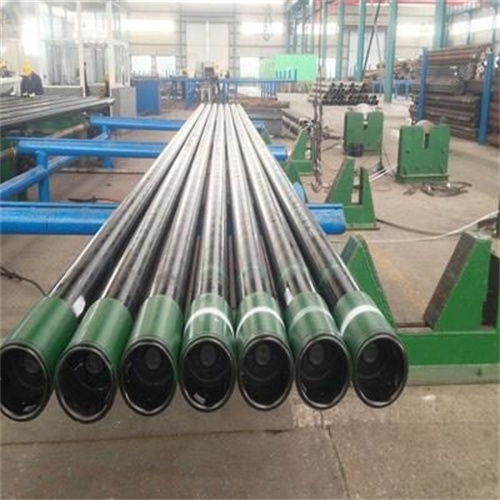
Oil Casing‘s ground-breaking innovation: Doubling service life through new design.
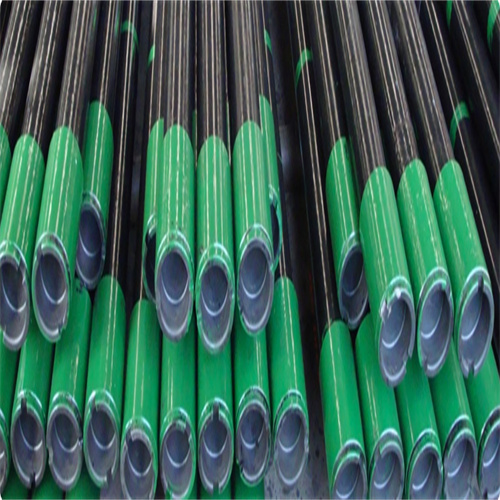
In the realm of oil extraction, technological advancements continually shape the industry’s landscape. One such innovation that promises to revolutionize operations is the development of corrosion-resistant coatings for oil casings. These coatings represent a significant leap forward in enhancing the longevity and reliability of crucial equipment used in Oil Wells.
Corrosion has long been a persistent challenge in oil extraction operations. The harsh conditions deep underground, combined with the corrosive elements present in Oil and Gas, accelerate the degradation of metal components over time. This deterioration not only compromises the structural integrity of oil casings but also poses significant safety and environmental risks.
Traditionally, oil casings have been protected using various methods such as coatings and inhibitors. However, these methods have often fallen short in providing long-term protection, necessitating frequent inspections and replacements that drive up operational costs and downtime.
The new generation of corrosion-resistant coatings represents a departure from conventional approaches by offering enhanced durability and performance. These coatings are formulated using advanced Materials and application techniques that significantly improve resistance to corrosive agents. By forming a robust barrier between the casing material and the surrounding environment, these coatings effectively mitigate corrosion, thereby extending the service life of oil casings.
Furthermore, the development of these coatings has been guided by rigorous testing and research to ensure their efficacy under real-world operating conditions. Engineers and materials scientists have collaborated closely to optimize coating compositions and application processes, taking into account factors such as temperature variations, chemical exposure, and mechanical stresses typical in oil wells.
One of the key innovations in these coatings is their ability to adhere firmly to the casing surface while maintaining flexibility. This characteristic is crucial as it allows the coating to expand and contract with the casing material during temperature fluctuations and operational cycles. By preventing delamination and cracking, the coatings ensure continuous protection over the casing’s lifespan.
Moreover, the new coatings exhibit excellent adhesion even on surfaces that have been previously exposed to corrosive environments or surface treatments. This capability is particularly advantageous during casing reconditioning or rehabilitation projects, where existing casings can be refurbished without compromising their integrity.
From a practical standpoint, the adoption of corrosion-resistant coatings translates into tangible benefits for oil Companies and operators. By doubling the service life of oil casings, these coatings reduce the frequency of replacements and associated downtime, leading to substantial cost savings over the operational lifecycle of a well. Furthermore, enhanced casing integrity contributes to improved well performance and safety, minimizing the risk of leaks or failures that could result in environmental contamination or operational disruptions.
Looking ahead, ongoing research and development efforts continue to refine corrosion-resistant coatings, aiming to further enhance their performance and adaptability to diverse operating conditions worldwide. Innovations such as self-healing coatings and multi-layered systems are already on the horizon, promising even greater durability and protection for oil casings in the years to come.
In conclusion, the introduction of corrosion-resistant coatings marks a significant advancement in the field of oil casing technology. By leveraging cutting-edge materials and engineering expertise, these coatings offer a proactive solution to mitigate corrosion challenges, ensuring prolonged service life and operational reliability for oil wells globally. As the industry embraces these innovations, the future of oil extraction appears increasingly resilient and sustainable, driven by continuous improvements in technology and operational practices.
Novel Design Enhancements for Extended Reliability
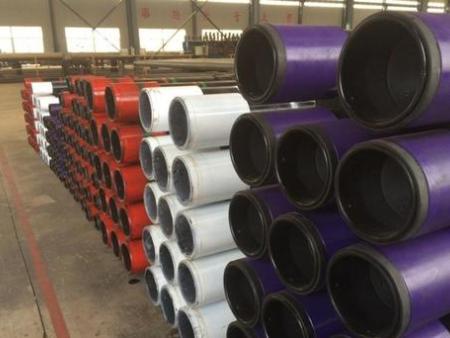
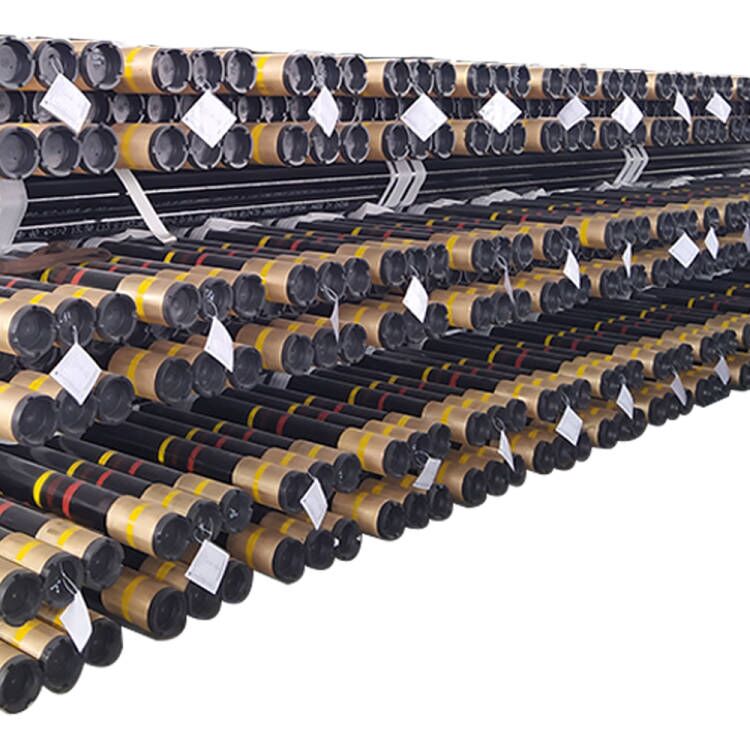
Oil casing plays a pivotal role in the oil and gas industry, serving as a protective barrier for the wellbore and ensuring the integrity of the well. In recent years, the industry has witnessed a ground-breaking innovation in oil casing design that promises to double its service life. This innovation marks a significant advancement in the field, offering enhanced reliability and durability for oil and gas operations.

The new design enhancements in oil casing are a result of extensive research and development efforts aimed at addressing the challenges faced by traditional casing systems. By incorporating novel materials and engineering techniques, Manufacturers have been able to create a casing that is more resistant to corrosion, wear, and fatigue. This increased durability translates to a longer service life for the casing, reducing the need for frequent replacements and Maintenance.
One of the key features of the new oil casing design is its improved resistance to corrosive environments. Corrosion is a major concern in oil and gas operations, as it can lead to structural degradation and compromise the integrity of the well. The enhanced Corrosion resistance of the new casing helps mitigate this risk, ensuring that the casing remains intact and functional for an extended period.
In addition to corrosion resistance, the new design also offers superior wear resistance. Oil casing is subjected to high levels of wear and tear during drilling and production activities, which can lead to premature failure. The enhanced wear resistance of the new casing helps prolong its service life, reducing the frequency of replacements and downtime associated with maintenance.
Furthermore, the new design enhancements have improved the fatigue resistance of the oil casing. Fatigue failure is a common issue in casing systems, particularly in high-stress environments. By incorporating fatigue-resistant materials and design features, the new casing is better equipped to withstand cyclic loading and prolonged use, ensuring long-term reliability and performance.
Another notable aspect of the innovative oil casing design is its improved thermal stability. Oil and gas operations often involve high temperatures and thermal fluctuations, which can impact the structural integrity of the casing. The new casing design is engineered to withstand these extreme conditions, maintaining its mechanical properties and performance over a wide range of temperatures.
Overall, the novel design enhancements in oil casing represent a significant step forward in the industry, offering extended reliability and durability for oil and gas operations. By doubling the service life of the casing, these innovations not only reduce operational costs but also enhance safety and efficiency in the field. As the industry continues to evolve, advancements in casing design will play a crucial role in ensuring the sustainability and success of oil and gas operations.