DévOilement de l’inspection comparative prééminente des matériaux courants de cuvelage d’huile
Inspection de l’huile et du carter
En conclusion, le choix du matériau de tubage est une décision cruciale qui dépend d’une compréhension globale des conditions spécifiques du puits et des propriétés du matériau. Les boîtiers en acier, avec leur résistance et leur adaptabilité inégalées, restent un choix fiable pour la plupart des applications, bien qu’à un coût plus élevé en raison des mesures de prévention de la corrosion nécessaires. Les boîtiers en fibre de verre offrent une solution efficace pour les environnements sujets à la corrosion, tandis que les boîtiers à base de polymère offrent des options polyvalentes pour des conditions moins extrêmes. En fin de compte, le matériau prédominant pour toute application donnée sera déterminé en mettant en balance ces facteurs avec les exigences opérationnelles et les contraintes économiques du projet.
Exploration de la comparaison de référence : inspection des matériaux courants des enveloppes d’huile
En conclusion, l’inspection et la comparaison des matériaux courants pour carters d’huile révèlent un paysage complexe où chaque matériau offre des avantages et des inconvénients distincts. Le développement continu de la science des matériaux promet d’introduire de nouveaux matériaux et traitements qui pourraient optimiser davantage les performances et la rentabilité des carters pétroliers. À mesure que l’industrie contiNue d’évoluer, les technologies et les matériaux à sa disposition évolueront également, soulignant l’importance d’une recherche et d’une adaptation continues dans la sélection des matériaux pour les carters d’huile.
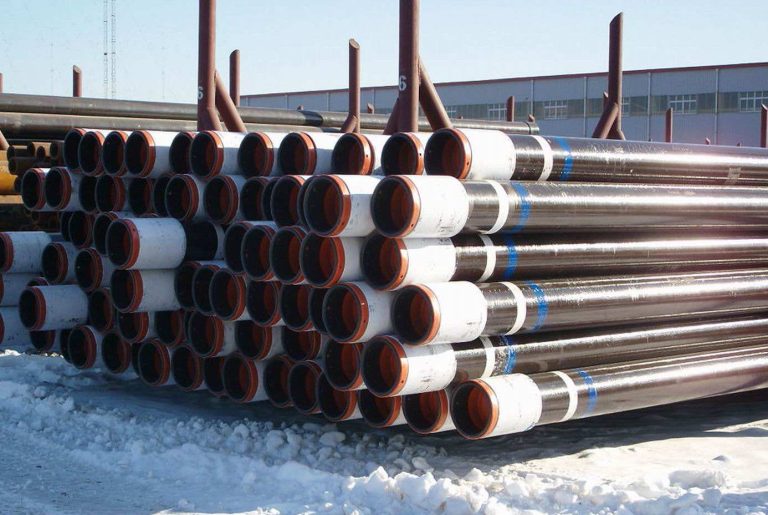
In the Oil and Gas industry, the selection of Materials for Oil Casing is a critical decision that impacts the efficiency, safety, and cost-effectiveness of drilling operations. This article delves into a comparative inspection of the most commonly used materials in oil casing, examining their properties, applications, and performance under various environmental conditions.
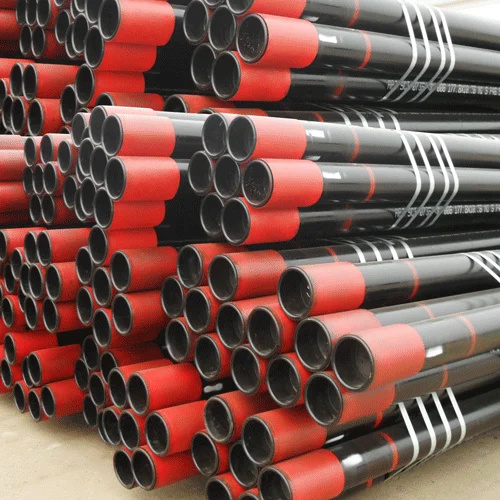
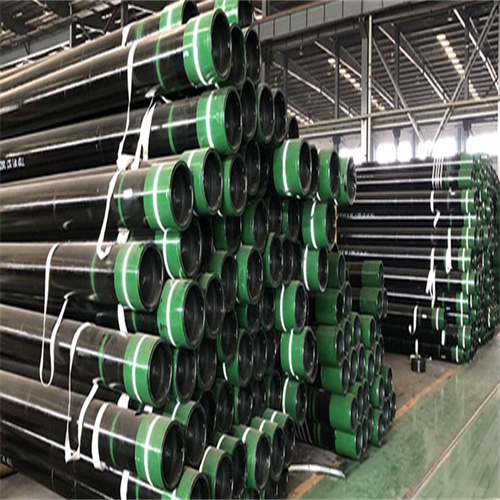
Steel has long been the cornerstone material for oil casings due to its high strength and durability. Among the types of steel used, Carbon steel is favored for its cost-effectiveness and robust performance in moderate environments. It is particularly noted for its ability to withstand high pressures, making it suitable for mid-depth wells. However, carbon steel’s vulnerability to corrosion when exposed to CO2 and H2S rich environments necessitates additional treatments such as corrosion-resistant alloy (CRA) coatings.
Stainless Steel, another popular choice, offers enhanced Corrosion resistance compared to carbon steel. This material is ideal for applications in harsher environments, such as offshore drilling where saltwater poses a significant risk of corrosion. The inclusion of chromium and nickel in stainless steel alloys enhances their ability to resist oxidizing and reducing environments, thereby extending the lifespan of the casing.
On the other hand, fiberglass, a less traditional material, is gaining traction in the industry. Fiberglass casings are markedly lighter than steel, reducing the overall Weight of the setup and easing the installation process. Additionally, fiberglass is inherently resistant to corrosion, eliminating the need for extra coatings or Maintenance. This material proves particularly advantageous in wells with highly corrosive fluids or in scenarios where reducing the operational load is a priority.
Each material, however, comes with its own set of challenges. While steel is generally more robust, its susceptibility to corrosion can lead to increased costs and maintenance requirements. Stainless steel, although more resistant to corrosion, is significantly more expensive and can be overkill for less demanding environments. Fiberglass, while excellent in corrosion resistance and weight reduction, does not have the same strength as steel and may not be suitable for all geological conditions.
The choice of material ultimately depends on a balance of factors including cost, environmental conditions, and the physical demands of the drilling site. Operators must consider not only the initial investment but also the long-term implications of their material choice on maintenance, lifespan, and environmental impact.
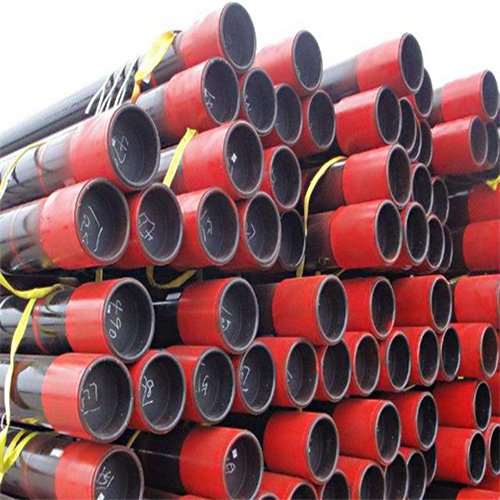
In conclusion, the inspection and comparison of common Oil casing materials reveal a complex landscape where each material offers distinct advantages and drawbacks. The ongoing development of material science promises to introduce new materials and treatments that could further optimize the performance and cost-efficiency of oil casings. As the industry continues to evolve, so too will the technologies and materials at its disposal, underscoring the importance of continual research and adaptation in material selection for oil casings.