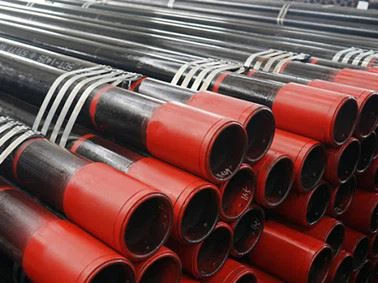
Stratégies pour surmonter les défis techniques liés à la conception des tubages pétroliers
innovations dans les matériaux à haute résistance pour les applications de l’industrie pétrolière et gazière

Résoudre les conflits dans la gestion de la chaîne d’approvisionnement pour l’approvisionnement en caissons pétroliers
Dans le domaine dynamique et complexe de la gestion de la chaîne d’approvisionnement pour l’approvisionnement en caissons pétroliers, la résolution des conflits et des défis est primordiale pour garantir des opérations efficaces et une croissance durable. L’arrivée de nouveaux carters d’huile à haute résistance représente une avancée significative dans l’industrie, promettant une durabilité et des performances améliorées dans des environnements exigeants. Cependant, le chemin allant de l’approvisionnement au déploiement est semé d’obstacles potentiels qui nécessitent une gestion compétente et une prospective stratégique.
Au cœur de la gestion de la chaîne d’approvisionnement se trouve l’interaction complexe entre les fournisseurs, les fabricants et les distributeurs. Chaque entité joue un rôle crucial dans la livraison transparente des tubages pétroliers, de l’approvisionnement en matières premières à la fabrication et à la distribution finale. Cependant, ce réseau interconnecté peut souvent donner lieu à des conflits, allant des goulots d’étranglement logistiques aux problèmes de contrôle qualité et aux demandes fluctuantes du marché.
L’un des principaux défis de l’approvisionnement en caissons pétroliers est la variabilité de la dynamique de l’offre et de la demande. L’industrie pétrolière et gazière est notoirement cyclique, influencée par des facteurs géopolitiques, les conditions économiques et les progrès technologiques. Les fluctuations des prix mondiaux du pétrole peuvent avoir un impact significatif sur la demande de caissons pétroliers, entraînant des augmentations ou des baisses soudaines des besoins en approvisionnement. Une telle volatilité oblige les gestionnaires de la chaîne d’approvisionnement à adopter des stratégies d’approvisionnement flexibles et à entretenir des relations solides avec les fournisseurs pour s’adapter r APIdement aux évolutions du marché.
En outre, l’assurance qualité reste une préoccupation majeure dans l’approvisionnement en caissons pétroliers à haute résistance. S’assurer que les matériaux de boîtier répondent aux normes industrielles et aux exigences réglementaires strictes est essentiel pour garantir l’intégrité et la sécurité opérationnelles. Des conflits peuvent survenir lorsque les fournisseurs ne respectent pas les spécifications conveNues ou lorsque les processus de fabrication s’écartent des protocoles établis. Des mesures de contrôle de qualité rigoureuses et des protocoles d’inspection complets sont indispensables pour atténuer ces risques et maintenir la cohérence et la fiabilité des produits.
Les défis logistiques posent également des obstacles importants dans la chaîne d’approvisionnement des carters pétroliers. Le transport de composants de boîtier volumineux et lourds sur de grandes distances nécessite une planification et une coordination méticuleuses. Les retards dans les calendriers d’expédition, les problèmes de dédouanement et les perturbations imprévues des itinéraires de transit peuvent perturber les délais de la chaîne d’approvisionnement et faire grimper les coûts. Une gestion logistique efficace, y compris l’utilisation de technologies de suivi avancées et de plans d’urgence, est indispensable pour minimiser ces défis et garantir une livraison dans les délais sur les sites des projets.
En outre, les considérations éthiques dans la gestion de la chaîne d’approvisionnement prennent de plus en plus d’importance. Les parties prenantes accordent davantage d’importance aux pratiques de développement durable, à l’approvisionnement éthique en matériaux et à la responsabilité sociale des entreprises. Des conflits peuvent surgir lorsque les fournisseurs s’engagent dans des pratiques qui compromettent les normes environnementales ou violent les droits du travail. L’adoption de politiques d’approvisionnement éthiques strictes et la réalisation d’audits approfondis des fournisseurs sont des étapes cruciales pour atténuer les risques de réputation et aligner les pratiques d’approvisionnement sur les objectifs mondiaux de développement durable.
En conclusion, même si l’arrivée de nouveaux carters d’huile à haute résistance représente une étape importante dans le progrès technologique, naviguer dans le Les complexités de la gestion de la chaîne d’approvisionnement nécessitent une approche stratégique et proactive. Résoudre les conflits et surmonter les défis en matière d’approvisionnement nécessite une communication solide, une prise de décision agile et un engagement envers l’excellence opérationnelle. En favorisant les partenariats collaboratifs, en adoptant les innovations technologiques et en donnant la priorité aux normes éthiques, les parties prenantes de l’industrie peuvent atténuer efficacement les risques, optimiser l’efficacité et débloquer des opportunités de croissance durable dans le paysage dynamique de l’approvisionnement en caissons pétroliers.
Alors que le secteur continue d’évoluer, les responsables de la chaîne d’approvisionnement doivent rester vigilants et adaptatifs, anticipant les défis futurs et tirant parti des tendances émergentes pour stimuler l’innovation et la résilience. Grâce à une résolution proactive des conflits et à un engagement inébranlable envers l’excellence, la quête de performances exceptionnelles dans l’approvisionnement en caissons pétroliers peut être atteinte, garantissant ainsi le succès et la prospérité continus dans le secteur énergétique mondial.
Innovations in high-Strength Materials for Oil and Gas Industry Applications
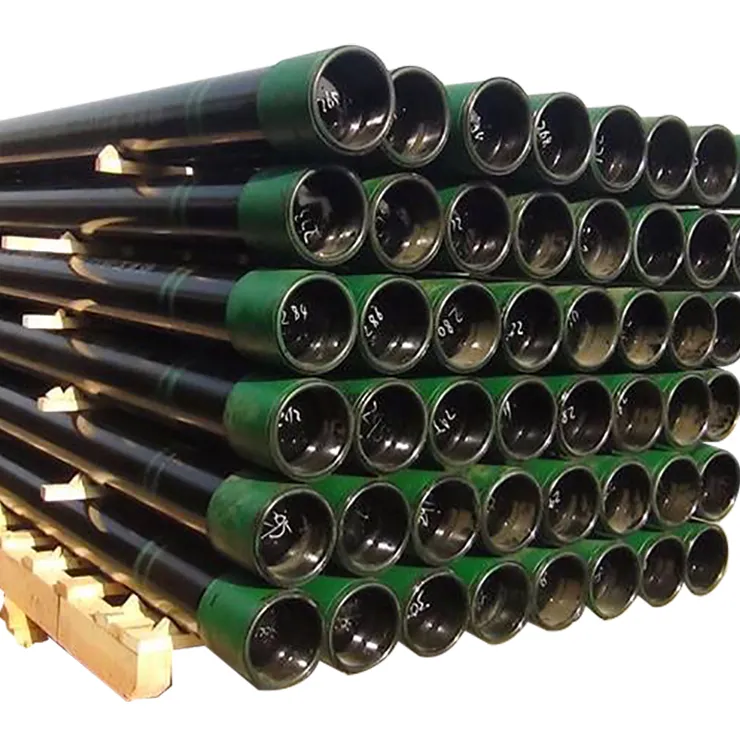
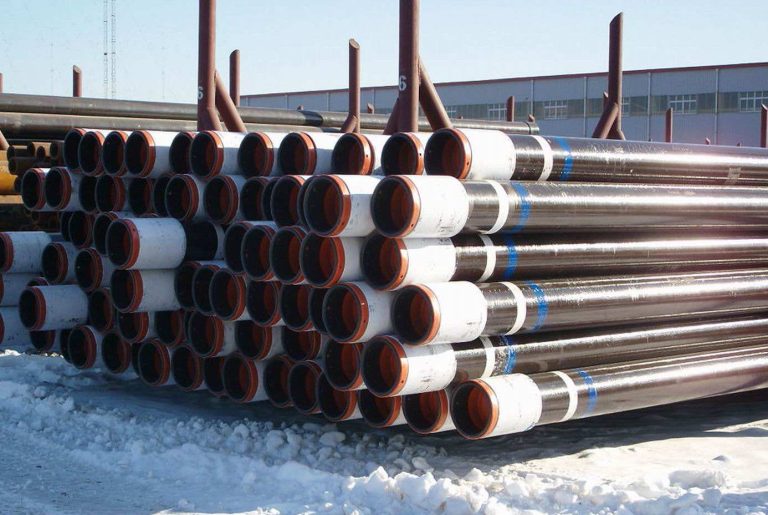
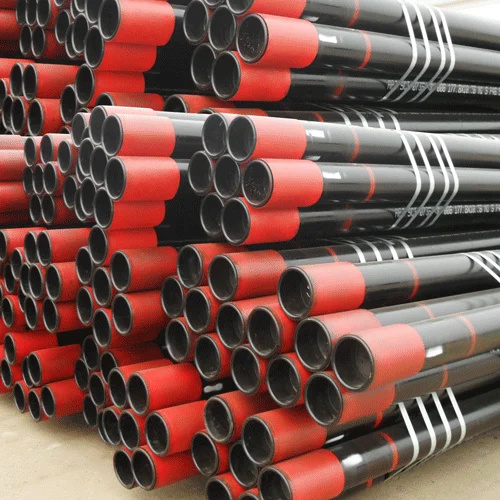
The oil and gas industry continues to push the boundaries of engineering and material science, constantly seeking ways to enhance efficiency, durability, and safety in drilling operations. One of the latest advancements making waves in this sector is the introduction of high-strength Oil Casing materials. These innovations represent a significant leap forward, promising to revolutionize how wells are constructed and maintained in challenging environments around the world.
Traditionally, oil casing has been manufactured using materials like Carbon Steel, which provide adequate strength but can be susceptible to corrosion and fatigue over time. Recognizing the need for more robust solutions, engineers and material scientists have developed a new generation of high-strength alloys that offer superior performance under extreme conditions.
One such material gaining prominence is high-strength steel alloyed with elements such as chromium, nickel, and molybdenum. These alloys exhibit exceptional mechanical properties, including high tensile strength, improved resistance to corrosion, and enhanced toughness. By utilizing these advanced materials, oil Companies can now construct wells that withstand higher pressures and temperatures without compromising structural integrity.
The arrival of these high-strength oil casing materials marks a significant milestone in the industry’s quest for reliability and longevity. Operators are now equipped to tackle deeper reservoirs and more challenging geological formations with confidence, knowing that their infrastructure can endure the demanding conditions encountered during drilling and production.
Moreover, the adoption of these materials is not merely about enhancing performance; it also contributes to greater environmental sustainability. By extending the lifespan of wells and reducing the frequency of Maintenance interventions, these high-strength alloys help minimize the industry’s overall environmental footprint. This aspect is particularly crucial as stakeholders increasingly prioritize responsible resource extraction practices.
In terms of practical application, the benefits of high-strength oil casing materials are multifaceted. They enable operators to drill wells in locations previously deemed too risky or costly, unlocking new reservoirs and expanding production capacities. Furthermore, their improved Corrosion resistance reduces the likelihood of leaks and spills, thereby enhancing operational safety and regulatory compliance.
Transitioning to these advanced materials does present some challenges, such as initial costs and specialized manufacturing techniques. However, the long-term advantages far outweigh these considerations. The investment in high-strength alloys translates into prolonged equipment life, reduced downtime, and ultimately, enhanced profitability for oil and gas companies.
Looking ahead, ongoing research and development efforts are focused on refining these materials further. Innovations aim to optimize their performance characteristics while exploring alternative alloys and composite materials that offer even greater strength-to-Weight ratios and resilience in harsh environments. This continuous pursuit of excellence underscores the industry’s commitment to innovation and adaptation in an ever-evolving global landscape.
In conclusion, the introduction of high-strength oil casing materials represents a transformative advancement in the oil and gas sector. By leveraging these innovative alloys, companies can overcome historical limitations and achieve unprecedented levels of efficiency, reliability, and environmental stewardship in their operations. As the industry embraces these technologies, it positions itself not only for enhanced productivity but also as a leader in sustainable resource management. With each new well constructed using these materials, the boundaries of what is possible in oil and gas exploration are pushed further, paving the way for a more resilient and responsible future.
Resolving Conflicts in Supply Chain Management for Oil Casing Procurement
In the dynamic and complex realm of supply chain management for oil casing procurement, resolving conflicts and challenges is paramount to ensuring efficient operations and sustainable growth. The arrival of new high-strength oil casing represents a significant advancement in the industry, promising enhanced durability and performance in demanding environments. However, the path from procurement to deployment is fraught with potential obstacles that require adept handling and strategic foresight.
At the heart of supply chain management lies the intricate interplay between Suppliers, Manufacturers, and distributors. Each entity plays a crucial role in the seamless delivery of oil casing, from sourcing raw materials to manufacturing and final distribution. However, this interconnected web can often give rise to conflicts, ranging from logistical bottlenecks to quality control issues and fluctuating market demands.
One of the primary challenges in oil casing procurement is the variability in supply and demand dynamics. The oil and gas industry is notoriously cyclical, influenced by geopolitical factors, economic conditions, and technological advancements. Fluctuations in global oil Prices can significantly impact demand for oil casing, leading to sudden surges or drops in procurement needs. Such volatility requires supply chain managers to adopt flexible sourcing strategies and maintain robust supplier relationships to swiftly adapt to market shifts.
Furthermore, quality assurance remains a critical concern in the procurement of high-strength oil casing. Ensuring that casing materials meet stringent industry standards and regulatory requirements is essential to guaranteeing operational integrity and safety. Conflicts may arise when suppliers fail to adhere to agreed-upon specifications or when manufacturing processes deviate from established protocols. Rigorous quality control measures and comprehensive inspection protocols are indispensable in mitigating these risks and maintaining product consistency and reliability.
Logistical challenges also pose significant hurdles in the supply chain for oil casing. The transportation of bulky and heavy casing components across vast distances demands meticulous planning and coordination. Delays in shipping schedules, customs clearance issues, and unforeseen disruptions in transit routes can disrupt supply chain timelines and escalate costs. Effective logistical management, including the use of advanced tracking technologies and contingency planning, is indispensable in minimizing these challenges and ensuring timely delivery to project sites.
Moreover, ethical considerations in supply chain management are increasingly gaining prominence. Stakeholders are placing greater emphasis on sustainability practices, ethical sourcing of materials, and corporate social responsibility. Conflicts may arise when suppliers engage in practices that compromise environmental standards or violate labor rights. Adopting stringent ethical sourcing policies and conducting thorough supplier audits are crucial steps in mitigating reputational risks and aligning procurement practices with global sustainability goals.
In conclusion, while the arrival of new high-strength oil casing represents a milestone in technological advancement, navigating the complexities of supply chain management requires a strategic and proactive approach. Resolving conflicts and overcoming challenges in procurement necessitates robust communication, agile decision-making, and a commitment to operational excellence. By fostering collaborative partnerships, embracing technological innovations, and prioritizing ethical standards, industry stakeholders can effectively mitigate risks, optimize efficiency, and unlock sustainable growth opportunities in the dynamic landscape of oil casing procurement.
As the industry continues to evolve, supply chain managers must remain vigilant and adaptive, anticipating future challenges and leveraging emerging trends to drive innovation and resilience. Through proactive conflict resolution and a steadfast commitment to excellence, the quest for exceptional performance in oil casing procurement can be achieved, ensuring continued success and prosperity in the global energy sector.